
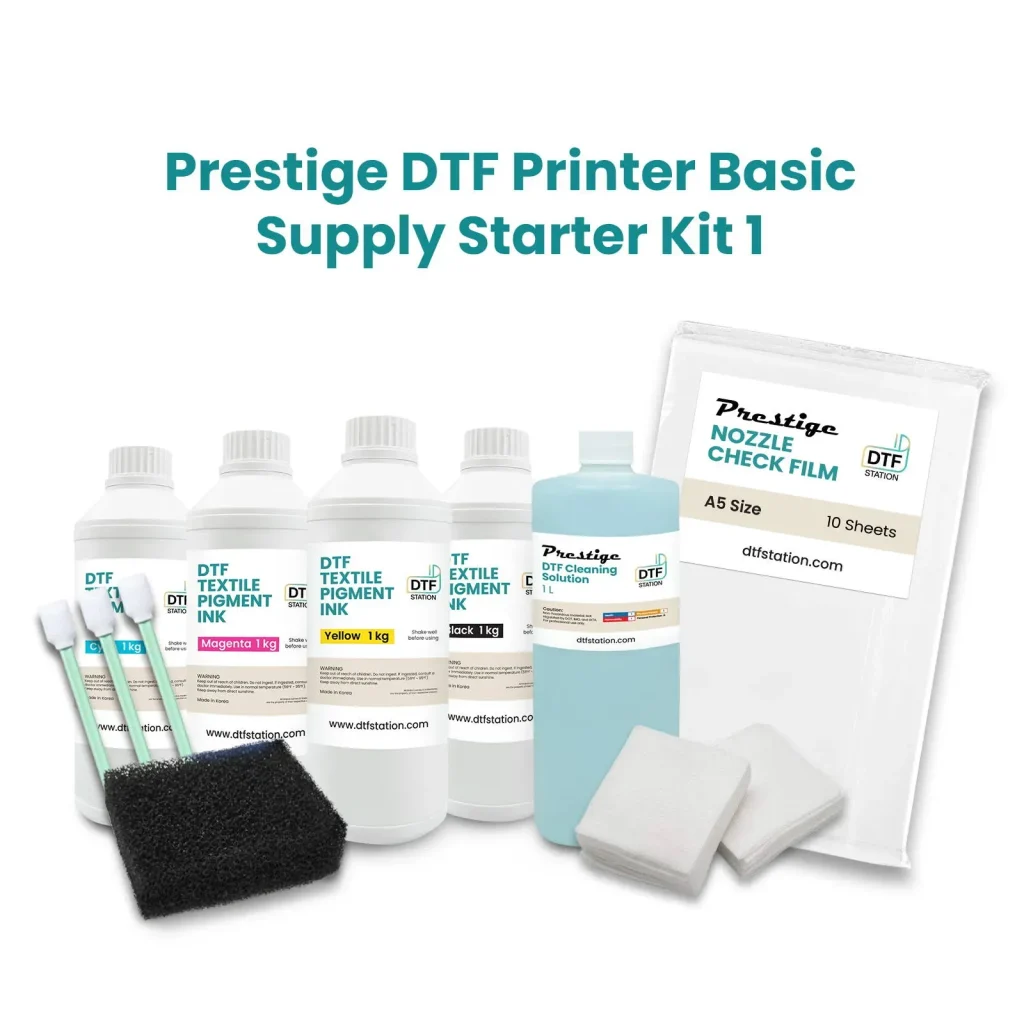
DTF Supplies are integral to the thriving realm of custom apparel printing, where Direct to Film (DTF) technology has significantly enhanced the quality and durability of prints. This innovative method allows for vibrant, multi-colored designs to seamlessly transfer onto fabrics, captivating both businesses and hobbyists alike. To succeed in DTF printing, understanding and acquiring the essential tools – including a top-notch DTF printer, specialized DTF inks, transfer films, and adhesive powders – is crucial. Furthermore, the right heat press machine ensures that your designs adhere perfectly to the material, producing professional-grade results. In this blog post, we will delve into the must-have DTF supplies that will set you up for a successful printing journey.
When exploring the world of Direct to Film printing, various supplies are paramount for ensuring a smooth and effective process. Referred to as heat transfer printing with an emphasis on film applications, this method utilizes a specialized printer that works with unique inks and films to produce exceptional results. Essential items like transfer media, adhesive powders, and heat press equipment play vital roles in achieving high-quality outputs. Understanding the nuances of these materials not only elevates your printing capabilities but also expands the possibilities for creative designs across diverse fabric types. As we navigate through these supplies, we will spotlight each component’s significance in optimizing your printing endeavors.
The Importance of Choosing the Right DTF Printer
Choosing the right DTF printer is paramount for anyone looking to succeed in the world of Direct to Film printing. A dedicated DTF printer, such as the Epson or Mimaki models, is designed to deliver the high-quality output that DTF technology demands. These printers utilize specialized inks that provide exceptional color vibrancy and durability, making them ideal for custom apparel production. Opting for a printer that is optimized for DTF processes ensures that your designs are printed with precision and clarity, allowing for intricate artwork to shine on various fabric types.
Moreover, investing in a quality DTF printer allows you to tackle large or complex printing jobs with ease. These printers typically come equipped with features that enhance their efficiency, such as high-capacity ink tanks and advanced print head technology. By understanding the specifications and capabilities of DTF printers, you can make an informed decision that will benefit your printing operation in the long run, ensuring that your investment pays off with quality outputs.
Understanding DTF Inks for Quality Prints
The quality of your printed designs is significantly influenced by the type of DTF ink you choose. DTF inks are specially formulated to bond effectively with fabrics, providing vibrant colors and strong adhesion during the transfer process. Unlike traditional inks, water-based DTF inks are non-harmful and user-friendly, making them a safer option for both you and your customers. Selecting premium DTF inks is crucial; they enhance the overall quality of your prints and contribute to their longevity, ensuring that your designs remain bold and colorful even after multiple washes.
Furthermore, DTF inks come with specific attributes that make them suitable for various fabric types, from cotton to polyester blends. When exploring your options, prioritize inks that are compatible with your DTF printer to avoid print quality issues. By harnessing the power of specialized DTF inks, you can elevate your printing game, enabling you to offer products that meet the high standards of today’s fashion and apparel markets.
DTF Transfer Film: Ensuring Optimal Printing Conditions
The DTF transfer film serves as the canvas for your designs before they are permanently transferred onto garments. Choosing the right type of transfer film is vital for achieving high-quality prints. DTF transfer films are typically made from PET plastic, which helps to ensure that the inks adhere correctly during the transfer process. It’s essential to seek out transfer films specifically labeled for DTF printing; using the wrong type can lead to poor adhesion and diminished print quality, ultimately affecting customer satisfaction.
In addition to compatibility, the thickness and texture of the transfer film can influence the final outcome of your prints. A film that is too thick might prevent the heat press machine from adequately binding the ink to the fabric, while a film that is too thin could result in tearing during the transfer process. Therefore, understanding the characteristics of different transfer films and selecting the right one for your specific needs will enhance your overall DTF printing experience.
Key Considerations for Selecting Adhesive Powder
Adhesive powder is a crucial component of the DTF printing process, as it plays a key role in ensuring that the printed designs adhere effectively to the fabric. When selecting adhesive powder, it’s important to choose a high-quality product that is specifically formulated for DTF applications. Hot-melt adhesive powders are widely recommended because they melt under heat, forming a robust bond between the ink and the fabric during the heat transfer process. This not only provides durability but also prevents peeling or cracking of the design over time.
Moreover, the application technique of the adhesive powder is equally important. Properly applying the powder in even coats ensures that the ink adheres uniformly, which is essential for maintaining the integrity and vibrancy of the design. Careful consideration of both the type of adhesive powder and the application process will go a long way in enhancing the quality of your prints, making it a vital step in the DTF printing workflow.
The Role of Heat Press Machines in DTF Printing
The heat press machine is an indispensable tool in the DTF printing process, as it is responsible for applying the necessary heat and pressure to transfer your design from the DTF transfer film onto the fabric. Investing in a high-quality heat press machine is essential; features such as adjustable temperature and pressure controls can significantly impact the final printed result. Having the right heat settings is crucial to activating the adhesive powder properly, ensuring that your designs adhere flawlessly to the fabric.
The choice between clamshell and swing-away heat press machines also depends on your specific workspace and printing needs. Swing-away models offer more versatility in terms of application, while clamshell machines have a smaller footprint which can be beneficial in tight spaces. Understanding the differences and functionalities of these machines will help you select the right one to optimize your DTF printing process, ultimately enhancing your operational efficiency and product quality.
Utilizing Pre-Treatment Solutions for Diverse Fabrics
When working with various fabric types, especially darker fabrics or synthetics, the use of pre-treatment solutions can significantly enhance the outcome of your DTF printing projects. These solutions prepare the fabric, making it more receptive to ink, which leads to improved adhesion and vibrant colors in the final prints. For DTF printing to achieve its full potential, applying the appropriate pre-treatment can ensure that your designs stand out and are long-lasting.
It’s crucial to research and understand the specific pre-treatment requirements for the fabrics you intend to use. Each fabric may have different needs, and tailoring your approach to these requirements will yield better results. By incorporating pre-treatment solutions effectively, you position your DTF printing business to tackle a broader range of projects and meet diverse client preferences, thus boosting your competitiveness in the market.
Frequently Asked Questions
What is the role of a DTF printer in the printing process?
A DTF printer is essential for Direct to Film printing as it specializes in applying DTF inks onto transfer film. This printer uses water-based inks designed for vibrant colors and strong adhesion, making it ideal for creating high-quality and durable prints on various fabrics.
How does DTF ink differ from traditional inks?
DTF inks are specifically formulated for Direct to Film printing, differing from traditional inks in their composition. Water-based DTF inks are used, which bond better with fabrics and provide vibrant colors without the harmful chemicals found in solvent-based inks, ensuring a safer printing process.
What type of transfer film is suitable for DTF printing?
For successful DTF printing, you need transfer film that is specifically designed for the DTF process. This film typically features a PET plastic backing that allows the DTF inks to adhere correctly and facilitate effective transfer to fabrics.
Why is adhesive powder important in DTF printing?
Adhesive powder is a critical component in DTF printing as it ensures that the printed ink adheres correctly to the fabric. Once sprinkled on the printed film and heated in the heat press, it creates a strong bond, enhancing the durability and longevity of the print.
What features should a heat press machine have for DTF printing?
For effective DTF printing, a heat press machine should have adjustable temperature and pressure settings. These features allow you to customize the application process, ensuring optimal transfer of your printed design from the transfer film to the fabric, leading to superior print quality.
Do I need pre-treatment solutions for DTF printing on certain fabrics?
Yes, some fabrics, particularly dark or synthetic ones, may require pre-treatment solutions before DTF printing. This pre-treatment enhances ink adhesion and improves the vibrancy of colors, ensuring a high-quality finished print.
| Essential DTF Supplies | Description |
|---|---|
| DTF Printer | Specifically designed for DTF printing technology, optimized for ink configurations and film compatibility. |
| Specialized DTF Inks | Water-based inks that bond well with fabrics, providing vibrant colors and user safety. |
| DTF Transfer Film | A medium for printing designs, made of PET plastic for proper adhesion. |
| Adhesive Powder | Sprinkled over printed film, it melts during heat transfer to bond ink with fabric. |
| Heat Press Machine | Used to transfer designs from film to fabric by applying heat and pressure. |
| Pre-Treatment Solutions | Enhances fabric’s ability to hold ink, improving adhesion and print vibrancy. |
| Design Software | Allows creation and preparation of graphics for DTF printing; tools like Adobe Illustrator and CorelDRAW are popular. |
| Cleaning Supplies | Maintenance tools like cleaning solutions are essential for printer longevity and quality output. |
Summary
DTF Supplies play a crucial role in the thriving field of custom printing, providing enthusiasts and businesses with the tools they need to create vivid, durable designs. From printers that cater specifically to the DTF technique to high-quality inks and films, each component is essential in delivering exceptional results. As the DTF market progresses with trends towards sustainability and advanced technology, having the right DTF Supplies ensures your printing process remains efficient and your outcomes remain desirable. Investing in these key items not only streamlines your production but also enhances your creative potential, making it the ideal time to engage with DTF printing solutions.