
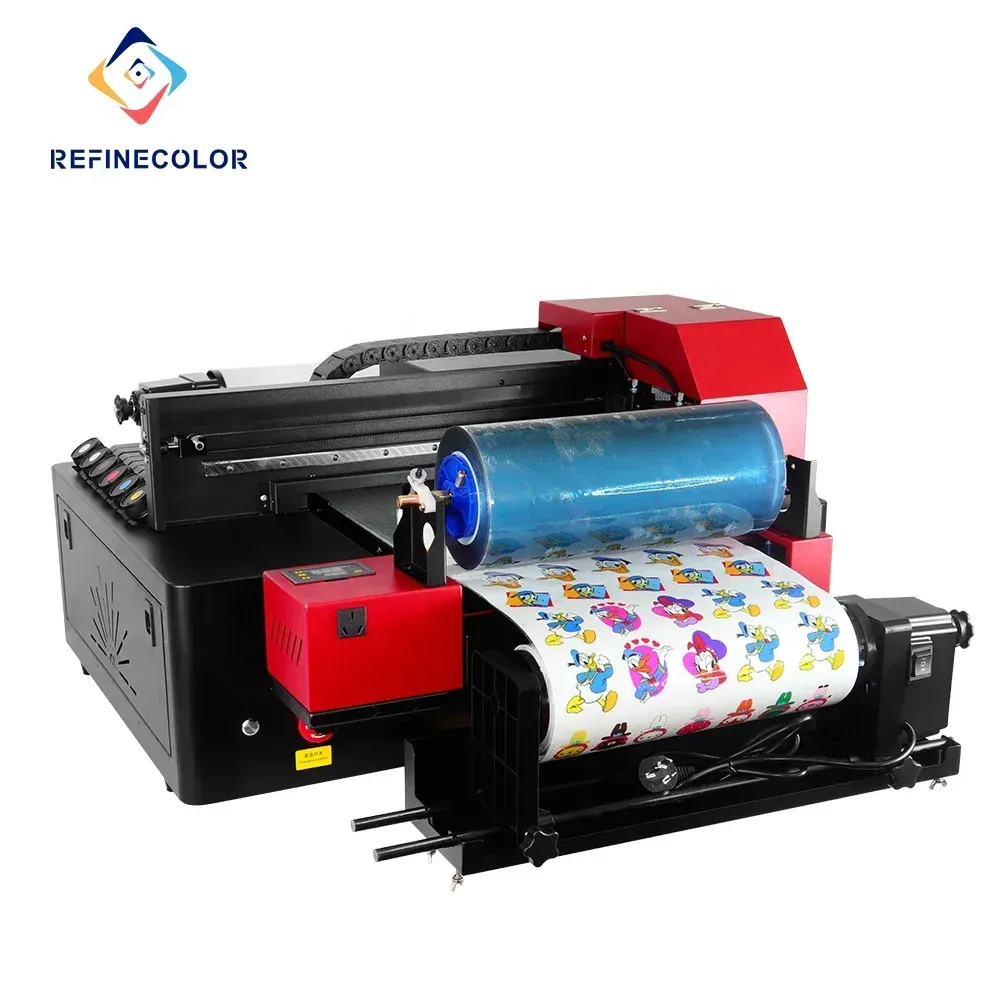
UV DTF, or UV Direct-to-Film printing, is emerging as a groundbreaking innovation within the realm of printing technology. This advanced method leverages ultraviolet (UV) light to cure specially formulated inks instantly, resulting in superior quality prints that are vibrant and durable. Unlike traditional DTF printing methods that mainly focus on textiles and rely on water-based inks, UV DTF expands versatility by allowing printing on diverse surfaces like metal, glass, and wood. As industries increasingly seek high-quality, fade-resistant solutions, understanding the benefits and applications of UV DTF becomes essential for businesses looking to stay competitive. This article explores how this exciting technology is reshaping the printing landscape and the endless possibilities it presents for customization and creativity.
Initially recognized as UV Direct-to-Film printing, this cutting-edge technology has also been referred to as UV printing or direct-to-film technology, highlighting its diverse avenues of application. The adaptation of ultraviolet curing processes distinguishes this method from traditional counterpart systems by enabling lightning-fast ink setting, which is critical for bulk production. UV DTF appeals to a broad spectrum of industries—from promotional merchandise to custom signage—representing a significant step forward in printing technology innovations. As the market continues to evolve, the rising interest in digital and personalized printing solutions reinforces the importance of exploring innovations like UV DTF that cater to modern consumer demands.
What is UV DTF Printing?
**UV DTF printing** is a cutting-edge printing technology that utilizes ultraviolet light to cure specially formulated inks directly onto a variety of substrates. Unlike traditional Direct-to-Film (DTF) methods that rely on water-based inks and require heat for curing, UV DTF offers a unique advantage by providing instant curing once exposed to UV light. This process not only enhances color vibrancy but also allows for detailed prints on rigid materials like plastic, glass, and metals, which were previously challenging to print on using conventional methods.
By employing UV DTF printing, businesses can explore a vast array of applications across multiple industries. From promotional merchandise to sophisticated artwork, this method can create stunning visual effects that engage customers and elevate brands. Furthermore, the precision involved in UV DTF allows designers to achieve intricate details that are hard to replicate with traditional techniques, making it a favorite among creative professionals.
Comparing UV DTF to Traditional DTF Printing
The primary distinction between **UV DTF** printing and traditional DTF printing lies in the curing process. Whereas traditional DTF necessitates the application of heat and pressure to achieve the final result, UV DTF achieves immediate curing through the application of UV light. This advantage means that products can be processed faster, resulting in higher productivity and efficiency for businesses. Additionally, UV DTF technology reduces the waiting time typically associated with traditional methods, leading to quicker turnaround times and greater customer satisfaction.
In terms of versatility, UV DTF printing has vastly expanded the range of materials that can be used. While traditional DTF is generally limited to soft textiles, UV DTF enables high-quality printing on hard surfaces such as wood, metal, and ceramics. This broad material compatibility opens new avenues for creativity, allowing designers and businesses to experiment with various substrates and finish options.
The Versatile Applications of UV DTF Printing
The potential applications of **UV DTF printing** are immense, making it an ideal choice for a variety of industries. One significant area is promotional products, where companies can leverage this technology to create eye-catching branded items. Whether it’s custom mugs, awards, or apparel, UV DTF printing provides a way to deliver vibrant and durable designs that ensure long-lasting impressions.
Another notable application is in personalized gifts, which have gained massive popularity in recent years. Using UV DTF technology, businesses can produce bespoke items that cater to individual customer preferences, resulting in unique gifts for any occasion. The ability to print on diverse substrates—ranging from glassware to photo panels—means the opportunities for customization are practically limitless.
Trends in UV DTF Market Growth
The increasing demand for high-quality and durable prints has positioned **UV DTF printing** at the forefront of industry growth. Market analysts report robust expansion forecasts for UV DTF technology as more companies recognize the potential profitability it offers. Businesses are drawn to the prospects of enhancing product quality and diversifying their offerings through this advanced printing technique, leading to broader investments in UV DTF solutions.
Moreover, environmental considerations are playing a pivotal role in the adoption of UV DTF printing technology. Compared to traditional methods, UV DTF typically results in reduced waste and lower ink consumption, making it a more sustainable option. This factor has increasingly influenced purchasing decisions as both consumers and businesses seek eco-friendly solutions in their operations.
Technological Innovations Driving UV DTF
Recent developments in **UV DTF printing** technology have been characterized by advancements that improve user-friendliness and accessibility. Devices like the Anker eufyMake printer showcase innovations that make UV DTF printing more approachable for everyday users, blurring the lines between professional printing systems and home applications. This accessibility democratizes the technology, allowing small businesses and individuals to explore custom printing options without the need for extensive expertise.
Furthermore, leading industry manufacturers are expanding their portfolios to include UV DTF printers, fostering healthy competition and innovation within the market. This shift not only enhances the availability of quality printers but also drives down costs, making it easier for new players to enter the UV DTF space.
Challenges in Adopting UV DTF Technology
Despite the remarkable advantages of **UV DTF printing**, potential adopters should be aware of specific challenges associated with this technology. Primarily, the initial investment for UV DTF printers can be significantly higher compared to traditional printing solutions. This cost barrier may deter small businesses or individual operators who are reluctant to invest heavily in new equipment without established demand.
Additionally, there is a learning curve associated with mastering UV printing technology. Novices may find it challenging to adjust settings for different ink types and substrates effectively. However, the growing number of training resources and comprehensive tutorials available online is helping ease this transition, enabling operators to gain competence quickly and efficiently.
Frequently Asked Questions
What is UV DTF printing and how does it work?
UV DTF printing, or UV Direct-to-Film printing, is a modern printing technique that utilizes ultraviolet inks which cure instantly when exposed to UV light. Unlike traditional DTF printing that relies on water-based inks and heat for curing, UV DTF expands the range of materials that can be printed on, including hard substrates like glass, metal, and wood.
What are the advantages of using UV DTF over traditional DTF printing?
UV DTF offers several advantages over traditional DTF printing, such as immediate ink curing through UV light which speeds up production times, enhanced durability of prints that withstand outdoor conditions, and the ability to print on a broader range of materials, enabling creative flexibility.
What are the main applications of UV DTF printing?
UV DTF printing is versatile and can be applied in various sectors including promotional products (like mugs and awards), personalized gifts (custom glassware), signage (durable indoor/outdoor signs), and art and decor (prints on canvases and tiles), significantly expanding creative options for users.
How does UV DTF printing contribute to environmental sustainability?
UV DTF printing is considered more eco-friendly as it typically produces less waste and consumes less ink compared to traditional printing methods. The efficient curing process through UV light reduces harmful emissions, making this technology a more sustainable choice for businesses focused on minimizing their environmental impact.
Are there any challenges associated with adopting UV DTF printing technologies?
Yes, potential challenges include the higher initial investment costs for UV DTF equipment compared to traditional methods, a learning curve for new operators to master the technology, and the need for regular maintenance and calibration to ensure consistent print quality.
What innovations are shaping the future of UV DTF printing?
Recent innovations in UV DTF printing include user-friendly devices like the Anker eufyMake printer, which cater to the consumer market, and advancements from key industry players like Sabur Digital expanding their offerings. These developments are making UV DTF technology more accessible and encouraging growth in the market.
| Key Features | Details |
|---|---|
| UV DTF Printing Process | Utilizes UV inks that cure instantly under UV light, allowing for quicker production and broader material compatibility. |
| Differences from Traditional DTF | Traditional DTF uses heat and pressure for curing, limiting material options primarily to textiles. |
| Material Versatility | Compatible with a variety of substrates, including glass, metal, and wood, unlike traditional water-based methods. |
| Durability of Prints | UV-cured prints are vibrant and long-lasting, making them ideal for rugged applications. |
| Market Growth Factors | Increased demand for quality prints, accessibility through new technologies, and environmentally friendly processes drive market expansion. |
| Applications in Various Industries | Ideal for promotional products, personalized gifts, signage, and art & décor. |
| Recent Innovations | Emergence of user-friendly devices and increased availability from commercial suppliers. |
| Challenges to Adoption | Higher initial costs, learning curve for new users, and maintenance requirements. |
Summary
UV DTF printing is revolutionizing the printing industry by combining advanced UV technology with the direct-to-film method, offering a host of advantages over traditional printing techniques. It enhances print quality and expands the range of materials available for printing, enabling businesses to create vibrant, durable designs with ease. As industries increasingly seek innovative and sustainable solutions for their printing needs, the significance of UV DTF printing cannot be overstated. This technology is poised for substantial growth, driven by its versatility in applications from signage to personalized gifts, making it an essential consideration for any company looking to stay ahead in the marketplace.