
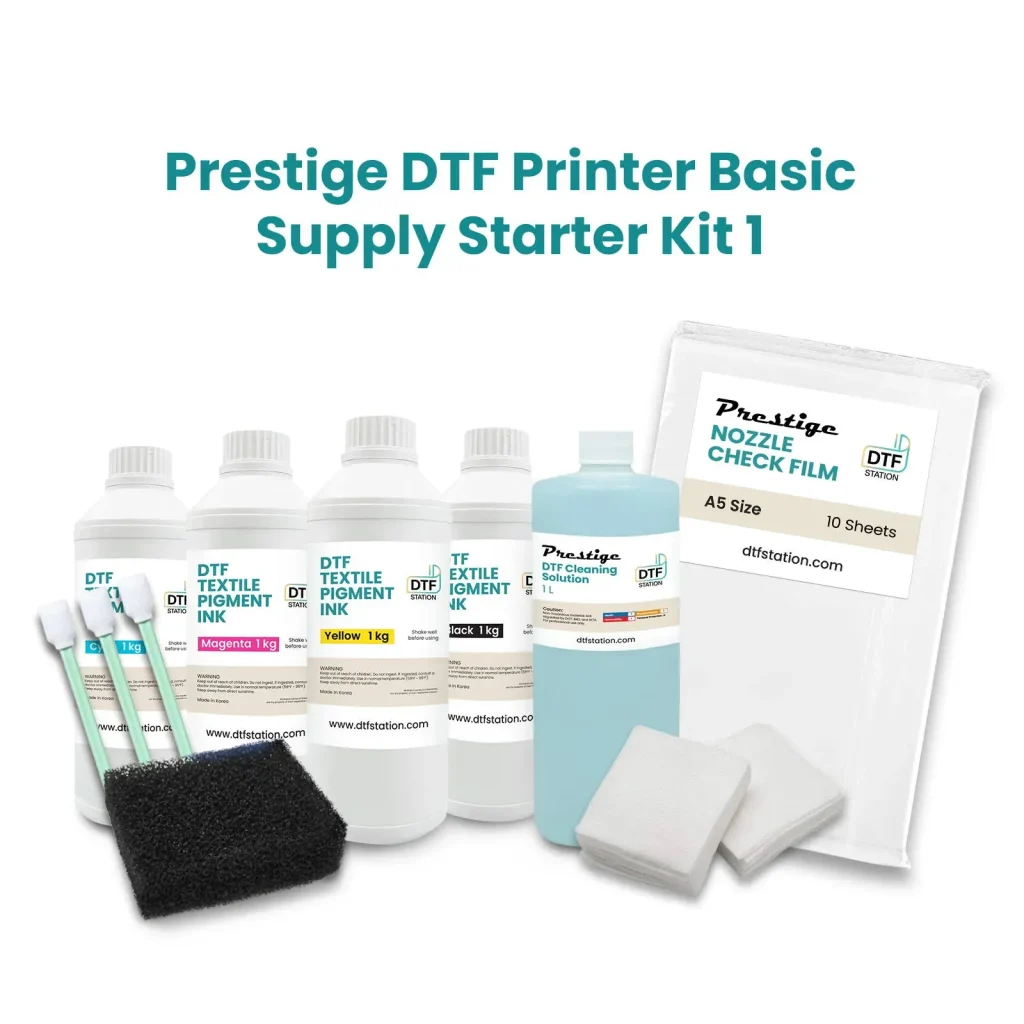
DTF Supplies are crucial for anyone looking to venture into the realm of Direct to Film (DTF) printing. This innovative technique, celebrated for its versatility and vibrant results, has rapidly gained traction among crafters, entrepreneurs, and small businesses alike. The quality and choice of DTF supplies can significantly enhance your printing projects, thus making it essential to understand the available options. In this guide, we will delve into the intricacies of selecting suitable DTF materials, from printers to transfers and everything in between. Whether you’re a novice or an experienced printer, knowing how to choose the right DTF supplies will streamline your workflow and elevate your creative expressions.
In the world of digital textile printing, a variety of terms and technologies contribute to the creative processes we see today. Known as Direct to Film technology, this printing method allows you to transfer designs onto fabrics effectively, making it ideal for custom apparel and promotional items. As you embark on your journey of selecting adequate materials for your printing needs, understanding the nuances of available options will be key. From the selection of DTF printers to the quality of inks and films, each aspect plays a vital role in achieving outstanding results. Embracing the advancements in this industry can provide you with the tools necessary to optimize your printing experiences.
Understanding DTF Technology: Basics and Benefits
DTF technology, or Direct to Film printing, provides a revolutionary way to apply designs onto fabrics. At its core, DTF printing involves making a transfer from a specialized film; this film is printed with high-quality inks that ensure vibrant and durable results. The benefits of DTF technology include its versatility to work on various fabric types, including cotton, polyester, and blends, making it ideal for custom apparel and promotional products. Furthermore, DTF prints boast excellent washability and color retention, surpassing many traditional printing methods.
The process of DTF printing typically requires fewer steps compared to other techniques like screen printing or sublimation, which demands specific fabric types. Additionally, DTF technology allows for intricate and colorful designs without the limitations posed by these other methods. With advancements in DTF printing supplies and machinery, users are granted a simplified yet effective way to achieve high-quality prints efficiently.
Key Factors in Choosing DTF Supplies
When embarking on DTF printing projects, selecting high-quality supplies is paramount. Factors such as the quality of the transfer film, the ink used, and the adhesive powder directly influence the final product’s quality. Opting for reputable brands that specialize in DTF supplies can significantly affect the durability and vibrancy of your prints. Always look for materials specifically designed for DTF printing, as they often yield better results.
Additionally, the compatibility of supplies with your DTF printer is crucial. Each printer may require specific types of inks and films, so it’s essential to carefully review your printer’s specifications before stockpiling materials. By prioritizing quality and compatibility, you can ensure a more seamless printing experience and superior output.
The Role of DTF Printers in Your Setup
DTF printers are the heart of the DTF printing setup, and choosing the right one can make all the difference in your projects. High-quality DTF printers, like the newly launched LOKLiK iPrinter DTF-A3-XP600, come equipped with essential supplies, including inks and transfer films, supporting both hobbyist and professional print efforts. Investing in a reliable DTF printer can increase not only the quality of prints but also efficiency in mass production.
In your selection process, consider the volume of work you anticipate. Larger operations often require printers designed for higher output rates, while smaller projects can be efficiently managed with compact models. Regardless of the size, selecting a printer that suits your specific needs is crucial to maximizing the capabilities of your DTF supplies.
The Importance of Quality Control in DTF Transfers
Quality control is a vital aspect of any printing process, and DTF transfers are no exception. The quality of your transfers greatly depends on the supplies you choose and the methods employed during the printing process. Using high-grade transfer films and ensuring proper adhesion through the right adhesive powder can result in more durable and vibrant prints.
Furthermore, regular testing of different supply brands can help you find the optimal combination for your specific projects. Always keep an eye on the washability and durability of finished transfers, and adjust your supply choices accordingly. A diligent focus on quality control will ensure your DTF prints consistently meet or exceed customer expectations.
Staying Updated: Recent Innovations in DTF Supplies
The DTF printer industry is rapidly evolving, with new innovations frequently coming to market. Companies like Snuggle have introduced dedicated services for producing high-volume DTF transfers, catering to the growing demand for custom apparel. This new trend in DTF supplies not only streamlines the production process but also provides crafters and businesses with access to high-quality prints at scale.
Others, such as Eazydtf, have expanded their operational capacities by incorporating additional large-format DTF printers, enhancing service quality and turnaround times. Keeping abreast of these innovations is essential for anyone involved in DTF printing, as it allows you to leverage the latest technologies and take advantage of improved production capabilities.
Choosing Reliable DTF Supplies Suppliers
When it comes to sourcing DTF supplies, working with reliable suppliers can help ensure you receive quality materials consistently. Look for suppliers who specialize in DTF products and have a good reputation within the industry. These suppliers typically offer not only a wide range of materials but also provide valuable resources such as tutorials and customer support, which can be incredibly helpful when navigating the complexities of DTF printing.
Furthermore, developing a relationship with a trustworthy supplier can provide peace of mind, helping to minimize the chances of facing issues related to product quality or supply shortages. The right supplier will not only fulfill your needs but also enhance your overall DTF printing experience.
Frequently Asked Questions
What are the key factors to consider when choosing DTF supplies?
When choosing DTF supplies, consider the quality of materials such as film and ink, the compatibility with your DTF printer, and the reliability of suppliers. High-quality DTF films and inks ensure vivid colors and durability in your prints.
How does DTF printing differ from other printing methods?
DTF printing differs from methods like sublimation in that it can be used on a wider variety of fabrics. It involves printing designs on a special film that is then transferred to the fabric using heat, offering versatility for custom apparel.
What should I look for in a DTF printer?
When selecting a DTF printer, evaluate the printer’s output quality, compatibility with your chosen DTF supplies, and efficiency features. Printers like the LOKLiK iPrinter are designed for high-volume output, making them ideal for both enthusiasts and professionals.
Where can I find reliable DTF supplies for my projects?
Reliable DTF supplies can be found through trusted suppliers with a good reputation in the industry. Look for companies that not only provide quality materials but also offer excellent customer support and resources for troubleshooting.
Can I use any type of ink with my DTF printer?
No, not all inks are compatible with DTF printers. It’s essential to verify that the ink you plan to use is specifically designed for DTF technology, as using the wrong type can lead to poor print quality and malfunction.
What advancements are being made in DTF technology and supplies?
Recent advancements in DTF technology include the launch of high-capacity printers, like the LOKLiK iPrinter, and improvements in transfer film quality and production capacity. These innovations enhance print quality and operational efficiency for businesses and crafters.
| Key Points | Details |
|---|---|
| Introduction to DTF Supplies | The right DTF supplies enhance print quality and workflow efficiency. |
| What is DTF Printing? | DTF printing transfers designs from a film onto fabric using heat, suitable for various materials. |
| Recent Developments in DTF Supplies | 1. Debate between sublimation and DTF. 2. Snuggle’s new DTF services for quicker production. 3. Launch of LOKLiK iPrinter for high-quality outputs. 4. Eazydtf’s printer expansion for better service and delivery. 5. AM.CO.ZA’s compact A3 DTF printer aimed at small businesses. |
| Factors to Consider When Choosing DTF Supplies | 1. Quality of materials affects durability. 2. Invest in a suitable DTF printer based on project size. 3. Ensure compatibility with your printer. 4. Choose reliable suppliers for consistent quality. 5. Access to support and resources is crucial for beginners and pros alike. |
Summary
DTF Supplies are essential for achieving optimal results in your printing projects. As DTF printing technology continues to advance, selecting the right supplies is crucial for ensuring high-quality outputs and operational efficiency. Understanding the key components, such as the quality of materials, the compatibility of your DTF printer, and the reliability of suppliers, will help you navigate this evolving landscape effectively. By staying informed about recent developments in the industry, you can make well-informed choices that foster creativity and improve the final quality of your prints. The right DTF supplies truly make a difference in realizing your creative vision.