
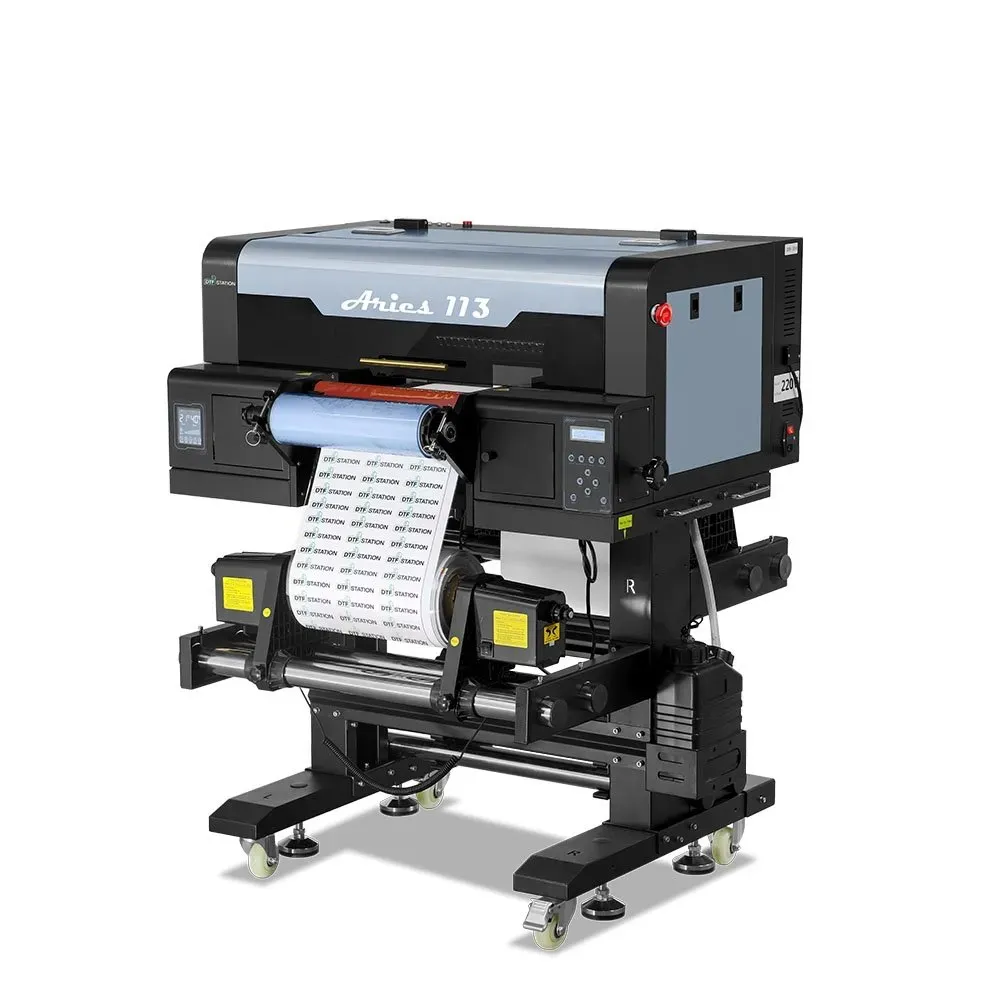
UV DTF printing is revolutionizing the world of print technology, offering a remarkable blend of versatility and quality that meets the demands of today’s creative industries. This advanced printing method, known for its use of UV-curable inks, allows vibrant and durable designs to be applied directly onto various substrates, including textiles, glass, and even wood. By leveraging innovative UV printing technology, UV DTF printing enables rapid curing processes that ensure colors remain vibrant and precise, enhancing the details of every print. As businesses and artists alike seek innovative solutions, this printing technique has emerged as a critical player in custom design and manufacturing. In this introduction, we will explore the significant features and advancements of UV DTF printing, defining its impact on modern creative practices and various applications.
Also referred to as Direct to Film (DTF) printing, UV DTF printing showcases an impressive fusion of technology and artistry that appeals to both commercial and individual creators. This state-of-the-art printing approach employs ultraviolet curing to instantly solidify graphics printed on specialized transfer films, thereby providing unmatched color fidelity and durability. Often regarded as a breakthrough in printing solutions, this method opens up a multitude of creative avenues by allowing print applications on a wide array of materials—extending far beyond traditional limits. The use of UV-curable inks ensures that the finished products not only look exceptional but also withstand the test of time, making them ideal for both functional and decorative purposes. In the following sections, we will delve deeper into the mechanics and advantages of this exceptional printing technique, highlighting its potential to reshape the printing landscape.
The Evolution of UV DTF Printing
The evolution of UV Direct to Film (DTF) printing marks a pivotal moment in the printing industry. Initially rooted in traditional techniques, advancements in UV printing technology have yielded significant enhancements that cater to the diverse needs of modern users. This transition has been fueled by the relentless pursuit of quality, efficiency, and flexibility in print applications. As businesses and consumers demand higher fidelity prints with vibrant colors, UV DTF printing emerges as a powerful alternative that combines the best of both worlds, solidifying its place in the market.
Today’s UV DTF printers harness the power of UV-curable inks, allowing for rapid curing and exceptional durability. This means that prints are not only imbued with rich colors but also exhibit resilience against fading, scratching, and environmental factors. With a growing emphasis on sustainability in manufacturing, these printers also utilize lower VOC emissions compared to their solvent-based counterparts, making UV DTF an eco-friendly option for conscious consumers.
Advantages of UV DTF Compared to Other Printing Methods
UV DTF printing presents numerous advantages over traditional methods such as screen printing and direct-to-garment (DTG) printing. One of the most notable benefits is its versatility; UV DTF can adeptly print on a wide array of substrates including textiles, metals, plastics, and wood. This wide range allows for an unprecedented array of applications, from personalized gifts to industrial components, differentiating it from more limited printing processes.
Additionally, the immediacy of UV curing means that businesses can dramatically reduce production times without compromising quality. The instant curing of UV inks prevents ink bleeding, ensuring that designs remain sharp and vibrant, which is critical for high-detail applications. This efficiency can enhance productivity and lead to higher customer satisfaction as orders are fulfilled more quickly, giving businesses a competitive edge in today’s fast-paced market.
Recent Innovations in UV DTF Technology
Recent innovations in UV DTF printing technology have been transformative, pushing the boundaries of what’s possible in this field. For instance, the introduction of Mimaki’s advanced UV DTF printers has broadened the creative avenues available to users, enabling intricate designs on diverse materials. These printers are set to revolutionize the market with features that enhance usability and quality, igniting a new wave of creativity among artists and businesses.
Moreover, significant investments in large-format printers, like those made by Eazydtf, demonstrate a commitment to expanding capabilities and improving service efficiency. The increased investment in equipment not only signals growth within the industry but also indicates a rising consumer demand for quality prints. As we see more advancements in technology, the potential applications for UV DTF printing become increasingly limitless, fostering an environment ripe for innovation.
UV Printing Technology: A Game Changer for Small Businesses
For small businesses, embracing UV printing technology can be a game-changer. The accessibility of UV DTF printers, particularly compact models designed for hobbyists and small businesses, allows these entities to offer high-quality products without the need for extensive investment. Innovations like Anker’s eufyMake UV printer exemplify how even small players can create professional-grade prints at a fraction of the cost.
This democratization of printing technology not only levels the playing field but also encourages entrepreneurship. By leveraging UV DTF capabilities, small businesses can diversify their product offerings, cater to niche markets, and leverage personalization trends, ultimately attracting a broader customer base. The combination of affordability, quality, and flexibility presents a compelling case for why small businesses should consider integrating UV DTF printing into their operations.
Eco-Friendly Printing with UV DTF Technology
In an era where environmental consciousness is paramount, UV DTF technology provides an eco-friendly alternative to traditional printing methods. The use of UV-curable inks significantly reduces volatile organic compounds (VOCs) emissions, making it a greener choice. As consumers become increasingly aware of the environmental impact of their purchases, the demand for eco-friendly printing solutions is on the rise, and UV DTF printing aims to meet that demand.
Beyond minimizing emissions, UV DTF technology also reduces material waste due to its efficient printing processes. Compared to screen printing, which often involves multiple steps and excess materials, UV DTF eliminates excessive consumption by optimizing ink usage and cutting down on the need for extensive setup. This approach not only preserves resources but also promotes a more sustainable business model.
The Future of UV DTF Printing in Creative Industries
As we look toward the future of UV DTF printing within creative industries, the promise of innovation is incredibly bright. With advancements in printer technology and material compatibility, creatives are expected to push boundaries like never before. The ability to print intricate, tactile designs enhances product personalization, catering to a growing market that values unique and customizable items.
In addition, as technology advances and becomes more accessible, we can anticipate an influx of creative entrepreneurs entering the space, utilizing UV DTF to implement their visions. The marriage of art and technology allows for new forms of expression across various industries, transforming how products are designed and marketed. From bespoke apparel to unique promotional materials, UV DTF printing will redefine creative opportunities in the years to come.
Frequently Asked Questions
What is UV DTF printing and how does it work?
UV DTF printing, or UV Direct to Film printing, is an advanced printing method that utilizes ultraviolet light to cure UV-curable inks on a special transfer film. This process creates vibrant, detailed images that are instantly ready for application on various surfaces, ensuring durability and precision.
What are the benefits of using UV-curable inks in UV DTF printing?
Using UV-curable inks in UV DTF printing offers numerous benefits, including vibrant color saturation, fast curing times, and minimal risk of color bleeding. This technology also contributes to an eco-friendlier printing process due to lower VOC emissions compared to traditional solvent-based inks.
How does UV DTF printing compare to traditional DTF printing?
Unlike traditional DTF printing, which may rely on heat transfer methods, UV DTF printing uses ultraviolet light to cure inks instantly. This results in superior image quality, increased durability of prints, and the flexibility to print on a wider range of materials, including hard and soft surfaces.
Can UV DTF printing be used on multiple substrates?
Yes! One of the remarkable advantages of UV DTF printing is its versatility. It can print on a variety of substrates, including textiles, glass, wood, ceramics, and uneven surfaces, making it an ideal choice for a wide range of applications.
What recent innovations have emerged in UV DTF printing in 2025?
In 2025, significant innovations in UV DTF printing include the launch of new printers by Mimaki, an expansion in DTF technology by Eazydtf, and the introduction of compact models targeting hobbyists. These advancements are enhancing production capabilities and broadening creative possibilities for both commercial and personal projects.
Is UV DTF printing an eco-friendly option for businesses?
Yes, UV DTF printing is considered eco-friendly due to the use of UV-curable inks that have lower VOC emissions compared to traditional solvent-based inks. This technology also reduces material waste, contributing to sustainable practices in the printing industry.
| Title | Details |
|---|---|
| Introduction | UV DTF printing is an innovative advancement in printing technology that combines design capabilities with modern techniques. |
| What is UV DTF Printing? | It involves printing directly onto a special transfer film using UV light, curing inks instantly for vibrant, durable prints on various substrates. |
| Advantages | 1. Vibrant colors and detail, 2. Versatile application on various materials, 3. Eco-friendly options, 4. Reduced waste in production. |
| Recent Developments (2025) | 1. Launch of Mimaki’s UV DTF tech, 2. Eazydtf’s investment in large-format printing, 3. Anker’s affordable compact printer, 4. Creative applications for tactile designs, 5. DTFPrinter.com launching for crafters. |
Summary
UV DTF printing is revolutionizing the printing industry with its sophisticated blend of technology and artistic flexibility. By directly printing onto transfer films using UV light, this method yields vibrant, durable images that can be applied to a multitude of surfaces, from textiles to ceramics. The advantages are significant, including eco-friendly inks and minimal waste, catering to an environmentally conscious market. Recent innovations, such as Mimaki’s advanced printers and Anker’s compact personal devices, further expand the capabilities of UV DTF, making it accessible to a wider audience of creatives and businesses. In summary, UV DTF printing is not just a technological advancement; it is a powerful enabler of creativity and personalization, poised to reshape how we approach custom printing in the years to come.