
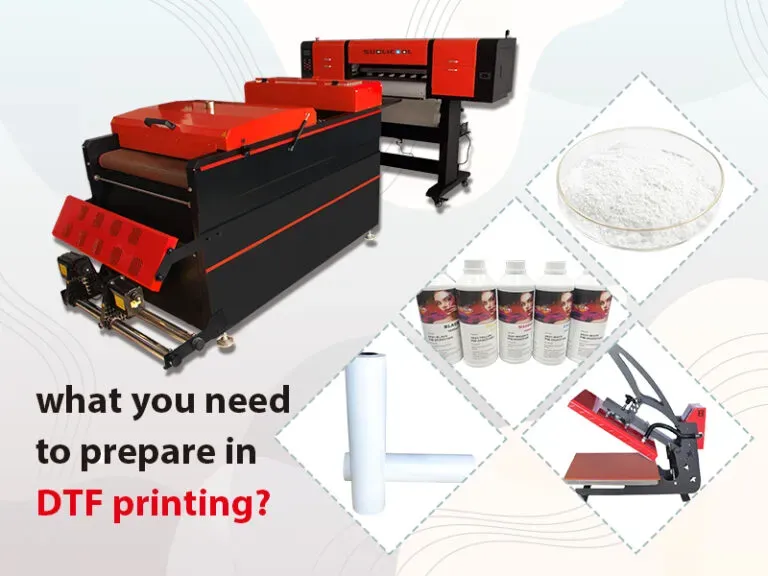
In the ever-evolving landscape of printing technology, **DTF technology** (Direct to Film technology) stands out as a game-changer, revolutionizing the way prints are created and transferred onto textiles. This innovative approach offers unparalleled versatility, allowing businesses to produce high-quality transfers for a myriad of applications, from apparel to promotional items. Unlike traditional methods, the use of a DTF printer facilitates efficient print-on-demand printing, ensuring quick turnaround times and lower costs. As we explore the advancements in DTF technology, we uncover its significant impact on the textile printing industry and its role in shaping the future of customized products. The surge in popularity surrounding DTF technology underscores its potential in meeting the diverse needs of modern consumers and businesses alike.
As we dive deeper into the realm of modern textile printing, it’s essential to highlight the significance of direct-to-film printing in today’s market. This innovative method leverages cutting-edge techniques to transfer vibrant designs onto various fabrics, effectively bridging the gap between affordability and quality. Tailored for print-on-demand printing solutions, this technology empowers businesses with the tools they need to efficiently cater to individual customer needs. By harnessing the capabilities of a digital printing approach, companies can streamline production processes while expanding their creative possibilities. Ultimately, the advent of this advanced printing technology not only enhances production efficiency but also enriches the user experience in the dynamic world of textile applications.
Understanding Direct to Film Technology
Direct to Film (DTF) technology has emerged as a groundbreaking solution in the field of textile printing, enabling vivid, full-color designs to be printed directly onto film. This innovative method utilizes a special DTF printer that applies thermoplastic adhesive and high-quality inks to a flexible film, which is then heat-pressed onto fabric. The adaptability of DTF technology makes it an ideal choice for printing on various textile materials, from cotton and polyester to blends, catering to an extensive range of applications including apparel and promotional items.
What sets DTF apart from traditional printing methods is its cost-effectiveness and efficiency. Businesses can produce short runs of custom prints without the high setup costs associated with screen printing or the time-consuming processes of direct-to-garment printing. With DTF, both quality and speed are prioritized, allowing for quicker turnaround times which are essential for meeting growing consumer demands in today’s fast-paced market.
Advancements in DTF Printing Inks
One of the most significant advancements in DTF technology has been the development of new ink formulations designed specifically for use with DTF printers. Recent innovations, such as UV inks introduced by industry leaders, have been optimized for low-viscosity printheads. These new inks not only enhance printing efficiency but also offer improved durability and vibrant color reproduction, essential for maintaining the quality of printed textiles over time.
These innovations eliminate the need for extensive curing times commonly required by traditional inks, enabling quicker production cycles. By utilizing a combination of CMYK, white ink, and varnish, DTF printers have become versatile tools that can meet various customer demands, from intricate designs to solid color prints, making them a favored solution among businesses looking to enhance their offerings in textile printing.
The Influence of DTF on Print-on-Demand Services
The rise of DTF technology has significantly impacted the print-on-demand (POD) sector, revolutionizing how businesses manage inventory and customize products for their customers. As more consumers seek personalized items, DTF printing provides a practical solution that accommodates these preferences without the need for extensive stock management. With affordable and user-friendly DTF printers entering the market, even small businesses can now access quality printing capabilities that were previously available only to larger operations.
This technology allows businesses to capitalize on niche markets by offering customized apparel, merchandise, and various textile goods that meet specific customer demands. The reduced cost and efficiency of DTF printing encourage entrepreneurs to explore innovative designs and expand their service offerings without the financial burden of maintaining large inventories, thus fostering a new wave of creative expression in the POD industry.
Environmental Benefits of DTF Technology
As environmental concerns continue to shape consumer choices, DTF technology also presents a more sustainable printing solution. Unlike traditional printing methods that often rely on harmful chemicals and processes, DTF printing employs eco-friendly inks that are less toxic and more environmentally responsible. This aspect of DTF technology aligns with the growing demand among consumers for sustainable products and practices.
Furthermore, the ability to print on-demand reduces waste significantly. By only producing items as they are ordered, businesses can minimize excess inventory, thereby decreasing the environmental footprint associated with overproduction and disposal of unsold products. As more companies adopt DTF technology, they not only enhance their operational efficiency but also contribute to a more sustainable printing ecosystem.
DTF Technology Transforms Production Processes
The integration of DTF technology into production workflows is transforming how businesses approach printing projects. With the ability to quickly produce high-quality prints, companies are able to respond faster to market trends and customer requests. This adaptability not only increases competitiveness but also enhances customer satisfaction as buyers receive their orders promptly and accurately.
In addition to speed, DTF technology enables businesses to diversify their product lines without the need for hefty investments in equipment and materials. This flexibility allows print providers to experiment with different substrates and designs, catering to a broader audience and adapting to the ever-changing demands of the market.
Future Trends in DTF Printing Technology
Looking ahead, the future of DTF printing technology appears bright as advancements continue to emerge. Innovations in printing processes and equipment, such as enhanced software for design and color management, are setting the stage for further growth in the industry. As technology evolves, we can expect to see continued enhancements in speed, quality, and affordability, solidifying DTF as a mainstay in the world of textile printing.
Additionally, the ongoing development of eco-friendly inks and materials aligns with the global push toward sustainability in manufacturing processes. As consumers and businesses alike prioritize environmentally conscious practices, DTF technology is well-positioned to meet these needs, ensuring that it remains relevant in a rapidly evolving market.
Frequently Asked Questions
What is DTF technology and how does it work in printing?
DTF technology, or Direct to Film printing, is an innovative printing method that allows full-color designs to be printed on special films. These prints are then transferred onto fabrics using heat and pressure, offering a versatile solution for textile printing. This process eliminates many of the limitations of traditional methods like screen printing, enabling quicker production and lower costs.
What are the advantages of using a DTF printer for textile printing?
A DTF printer offers several advantages, including the ability to print high-quality, vibrant designs on various materials, reduced turnaround times, and lower operating costs. This technology enables businesses to produce custom designs on demand, making it particularly beneficial for the print-on-demand printing market.
How does DTF technology compare to Direct to Garment (DTG) printing?
DTF technology differs from Direct to Garment (DTG) printing in that it allows for transfers to be made from film rather than directly on the fabric. This results in faster production times and less material waste, making DTF technology a more efficient and cost-effective choice for many businesses in the textile printing industry.
Can DTF printing be used for print-on-demand applications?
Yes, DTF printing is highly suitable for print-on-demand applications. Its capability for quick, high-quality custom prints allows businesses to cater to individual customer needs without holding large inventories. This flexibility is a key advantage in the growing print-on-demand market.
What advancements are being made in DTF ink technology?
Recent advancements in DTF ink technology include new formulations designed for specific types of DTF printers like the Epson i3200. These inks provide better efficiency by reducing curing time and are formulated to enhance print quality, producing vibrant colors that are durable on textiles. Innovations are continuously evolving to make DTF printing more efficient and versatile.
Is DTF printing environmentally friendly?
DTF printing seeks to be more environmentally friendly than traditional printing methods by using inks that are less harmful and adopting processes that consume less energy. As manufacturers focus on eco-friendly practices, DTF technology is aligning with sustainable printing solutions, which is increasingly important in today’s market.
| Key Points | Details |
|---|---|
| Introduction to DTF Technology | DTF technology enables full-color prints on film for transfer onto various fabrics, revolutionizing traditional printing methods. |
| Expansion of Ink Options | New ink formulations, including low-viscosity UV inks, are optimizing efficiency, practicality, and quality of prints. |
| Growth in Print-on-Demand Market | DTF technology is supporting the rise of customizable product offerings, especially in e-commerce, with accessible printing options. |
| Impacts on the Printing Landscape | DTF technology offers fast turnaround, improved quality, and supports environmentally friendly practices in printing. |
Summary
DTF technology is revolutionizing the print industry by offering efficient, high-quality printing solutions that meet the diverse needs of modern consumers and businesses alike. With its innovative approach to printing directly onto film, DTF technology not only enhances production speed with lower operational costs but also ensures a high level of customization, especially crucial in the print-on-demand market. As businesses embrace these advancements, DTF technology continues to solidify its position as an essential component of the future of printing, paving the way for sustainable growth and new opportunities within the industry.