
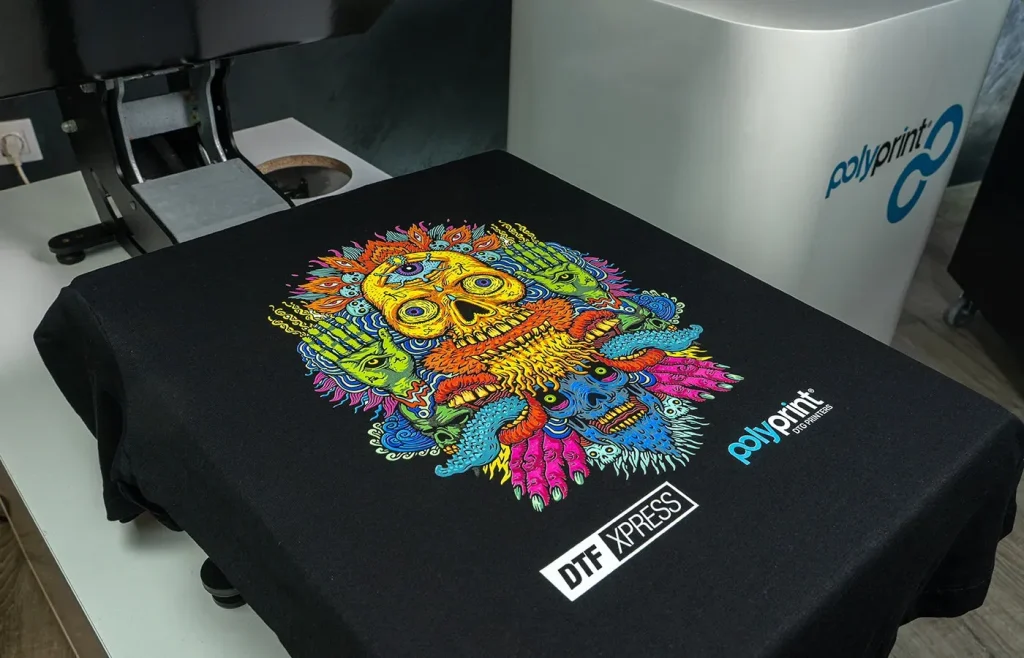
**DTF printing**, or Direct-to-Film technology, is rapidly becoming a game-changer in the world of custom printing. This innovative printing process allows for vibrant and intricate designs to be transferred onto textiles, making it a preferred choice for apparel printing. As more businesses and creators discover the benefits of DTF prints, its popularity continues to soar, driven by its cost-effectiveness and durability. In this comprehensive guide, we will explore the intricacies of DTF printing—including how it works, its advantages, and its versatile applications. Whether you’re an established printing professional or just stepping into custom printing, understanding DTF technology is essential for staying ahead in a competitive market.
Often referred to as Direct-to-Film printing, this modern method is transforming the landscape of custom garment decoration. With its capacity for producing highly detailed designs, this innovative printing approach enables creators to transfer art onto various materials efficiently. The DTF process stands out due to its combination of advanced inkjet technology and ease of use, making it accessible to both amateurs and professionals alike. By utilizing high-quality transfer films and adhesives, this technique ensures that prints are not only eye-catching but also remarkably durable. As the demand for personalized apparel increases, alternative methods such as DTF printing offer creators endless possibilities for unique and custom-designed products.
Understanding DTF Printing Technology
DTF printing, or Direct-to-Film printing, revolutionizes the way complex designs are transferred to textiles, offering a robust solution for both professional printers and DIY enthusiasts. This innovative technology involves printing vibrant, intricate designs onto a special transfer film that can adhere seamlessly to a variety of fabric types. Unlike traditional methods, DTF leverages advanced digital printing processes, employing high-quality inkjet technology that ensures fine details and color accuracy, thereby transforming the printing landscape.
The appeal of DTF printing extends to its adaptability, making it ideal for creating custom prints on materials ranging from cotton to polyester. This versatility means that businesses can cater to diverse customer needs, producing everything from personalized apparel to corporate merchandising. By bypassing some of the limitations associated with traditional printing methods, DTF opens up new avenues for creativity and customization in the textile industry.
The Advantages of DTF Printing for Custom Designs
One of the standout features of DTF printing is its cost-effectiveness, particularly for small to medium-sized production runs. Unlike screen printing, which often requires extensive setup and resources for each design, DTF allows for fewer preliminary expenses, enabling artists and entrepreneurs to bring their visions to life without being bogged down by high overhead costs. This aspect makes it a favorite among custom printing businesses, who can offer varied designs more affordably and with less hassle.
In addition to financial benefits, DTF printing is celebrated for its exceptional color vibrancy and durability. The prints created using DTF technology boast impressive wash resistance, ensuring that colors remain vivid and details sharp even after multiple laundering cycles. This durability makes DTF an attractive option for apparel intended for everyday wear, as customers can enjoy high-quality prints that stand the test of time.
The Comprehensive Process of DTF Printing
The process of DTF printing begins with the creation of digital designs, which can be crafted using various graphic design software, such as Adobe Illustrator or CorelDRAW. Once the design is ready, the next step involves printing it onto a specially formulated transfer film. DTF printers equipped with advanced ink systems are key in executing this step, as they utilize inks that provide excellent adhesion and color impact, distinguishing them from traditional printing approaches.
Following the printing stage, an essential step is the application of adhesive powder on the film while the ink is still wet. This adhesive is crucial as it bonds the printed design to the fabric during the heating process. After a brief curing stage, where heat solidifies the adhesive, the final transfer to the garment can occur via a heat press. This method effectively activates the adhesive, resulting in a solid, lasting bond that enhances the overall quality of the printed artwork.
Essential Equipment for Successful DTF Printing
To embark on a DTF printing journey, investing in appropriate equipment is paramount. The heart of this process lies in a dedicated DTF printer, purpose-built to handle the unique inks and films associated with this technology. These printers are designed to deliver high-quality results reliably, making them a crucial asset for any printing business.
Alongside the printer, other necessary supplies include specialized transfer films, which facilitate the vibrant application of designs onto fabrics, and a high-quality heat press to ensure proper adherence during the transfer stage. Adhesive powder is also a key component, acting as the bonding agent between the film and fabric. Properly equipping oneself with these tools not only enhances print quality but also increases overall operational efficiency.
Emerging Trends in DTF Printing
As DTF printing continues to evolve, several emerging trends highlight its growing impact on the custom printing landscape. For instance, a noticeable shift towards eco-friendly inks is improving sustainable practices within the industry, as more printers opt for water-based and less harmful ink solutions. This trend reflects a broader commitment to reducing environmental impact while still producing high-quality prints.
Moreover, the increasing popularity of on-demand printing services is another trend that aligns perfectly with the capabilities of DTF technology. Businesses are recognizing the benefits of producing items as needed, reducing waste associated with excess inventory. This flexibility is transforming the apparel production model, allowing brands to respond quickly to market trends while maintaining high standards of print quality.
Diverse Applications of DTF Printing
The applications of DTF printing are as varied as they are exciting, making it a versatile choice for different markets. A prime area of use is in custom t-shirt production, where small businesses and individuals employ DTF technology to create unique pieces for events, promotions, or personal fashion lines. This capacity for customization elevates customer engagement, as clients can express their identity through one-of-a-kind apparel.
In addition to clothing, DTF printing is ideal for producing a range of merchandise—from bags and caps to tech accessories—enabling brands to diversify their offerings with high-quality printed products. The ability to quickly adapt designs and produce items on demand caters to a wide audience, further solidifying DTF’s position as a leader in the custom printing industry.
Frequently Asked Questions
What is DTF printing and how does it work?
DTF printing, or Direct-to-Film printing, is a modern printing method that transfers designs onto textiles using a special film. The printing process involves creating a digital design, printing it on transfer film, applying adhesive powder, curing the print, and finally transferring it to fabric using heat and pressure. This results in vibrant, high-quality prints.
What are the advantages of using DTF printing for custom apparel?
The advantages of DTF printing for custom apparel include cost-effectiveness, color vibrancy, durability, and versatility. DTF printing allows for intricate designs with a wide color range that remain vibrant even after multiple washes, making it ideal for clothing that needs to last.
Can DTF printing be used on all types of fabrics?
Yes, DTF printing is incredibly versatile and can be used on various fabric types including cotton, polyester, nylon, and blends. This adaptability makes it an excellent choice for custom printing on a wide range of apparel items.
How does the DTF printing process compare to traditional printing methods?
Compared to traditional methods like screen printing or direct-to-garment (DTG) printing, DTF printing is more efficient and cost-effective for smaller runs. It eliminates setup costs associated with screen printing and produces high-quality, detailed designs with vibrant colors.
What equipment is needed for successful DTF printing?
To successfully execute DTF printing, you will need a specialized DTF printer, high-quality transfer films, a commercial grade heat press, and adhesive powder. Investing in the right equipment is essential for achieving the best results in DTF printing.
What are the latest trends in DTF printing technology?
Recent trends in DTF printing technology include the use of eco-friendly inks, increased popularity in on-demand printing, and advances in printer technology. These innovations enhance the sustainability and efficiency of DTF printing, catering to the growing demand for customized products.
| Aspect | Details |
|---|---|
| What is DTF Printing? | A modern printing method utilizing special transfer film to apply intricate designs to textiles using heat and pressure. |
| Benefits of DTF Printing | Cost-effective, vibrant colors, durable results, and versatile across various fabrics. |
| DTF Printing Process | Steps include design creation, printing on transfer film, powder application, curing, and transfer to fabric. |
| Equipment Needed | DTF printer, transfer films, heat press, and adhesive powder. |
| Applications of DTF Printing | Custom t-shirts, merchandise production, promotional products, etc. |
Summary
DTF printing is a revolutionary technology reshaping the textile printing landscape, providing efficient and high-quality print solutions. With its array of benefits, including cost savings and color vibrancy, it allows for detailed designs to be easily transferred onto various fabric types. This printing method is increasingly favored for custom apparel, merchandise, and promotional items, becoming a vital tool for businesses seeking to enhance their product offerings. By leveraging the latest advancements in DTF technology, creators and entrepreneurs alike can explore new dimensions in their design capabilities, making it an exciting realm for both beginners and experts in the printing industry.