
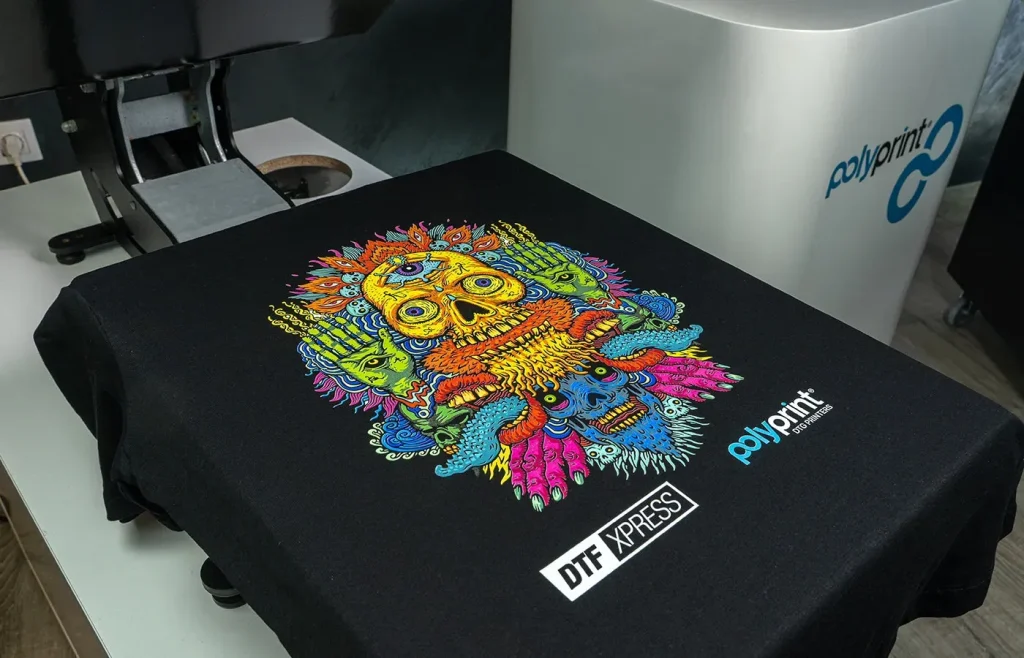
DTF printing, or Direct-to-Film printing, has emerged as a game-changing technology in the realm of custom apparel printing. As 2023 unfolds, the trends surrounding DTF printing are reshaping the garment decoration landscape, leading to significant advancements in digital printing technology, sustainability, and customization. Businesses are increasingly recognizing the potential of DTF printing as a cost-effective solution that caters to the rising demand for personalized designs while incorporating sustainable printing practices. This modern printing method stands out for its ability to deliver vibrant, high-quality prints on a variety of materials, paving the way for innovative garment decoration methods. In this article, we will explore DTF printing trends for 2023 and how they are influencing the future of apparel production.
Various terms define the innovative process known as DTF printing, including Direct-to-Film transfer and custom film printing solutions. This method is rapidly gaining traction as one of the most effective garment decoration methods available today. As the demand for personalized apparel surges, the adoption of DTF technology brings forth new opportunities for businesses to capitalize on evolving consumer preferences. By merging digital printing technology with sustainable practices, companies can produce unique, high-quality designs that resonate with conscientious buyers. In 2023, the emphasis on customization, eco-friendliness, and cost-effectiveness will continue to propel the popularity of DTF printing within the industry.
The Rise of DTF Printing in Custom Apparel
In the realm of custom apparel, DTF printing is experiencing a significant surge in popularity. This innovative printing method allows for vibrant colors and complex designs to be transferred onto a variety of fabrics, making it a preferred choice for businesses looking to offer personalized fashion. Unlike traditional printing methods, DTF printing enables designers to experiment with intricate graphics without the limitations of fabric type or design complexity.
As consumers increasingly seek unique clothing options that reflect their personal style, the demand for DTF printing continues to grow. This method not only meets the needs for customization but also reduces the time required to create and produce garments. With DTF printers becoming more widely available, brands can capitalize on this trend by providing tailor-made solutions for their customers.
Technological Innovations Driving DTF Printing
The landscape of DTF printing is being reshaped by continual technological advancements. Recent developments in printer technology and ink formulations have made it possible to achieve better print quality, durability, and vibrancy than ever before. These innovations ensure that designs remain sharp even after repeated washes, giving businesses the confidence to market high-quality products that stand the test of time.
Moreover, automation and digital printing technologies are paving the way for more efficient production processes. As DTF printers become more sophisticated, they allow for quicker turnaround times and less waste, making them an attractive option for businesses that prioritize both quality and efficiency. These technological strides are solidifying DTF printing’s place as a leader in the garment decoration market.
Moreover, these advancements extend beyond mere print quality improvements; they also include streamlined workflows that make the design and printing process more intuitive. As user-friendly software accompanies sophisticated machinery, designers and business owners can easily create, modify, and execute their apparel ideas without being bogged down by technical barriers.
This focus on accessibility paired with innovation not only enhances productivity but also allows small enterprises and startups to compete effectively with larger companies. By leveraging the latest technology, businesses can offer unique, high-quality products while maintaining control over costs and production volumes.
Sustainable Practices in DTF Printing
Amid growing environmental concerns, the shift towards sustainable printing practices has become essential in 2023. DTF printing stands out in this regard as it typically utilizes water-based inks and produces less waste compared to traditional printing methods. The reduction of harmful chemicals and lesser water usage marks a significant step toward greener manufacturing processes in the apparel industry.
By adopting eco-friendly DTF printing techniques, companies not only minimize their ecological footprint but also resonate with the values of environmentally conscious consumers. Brands that prioritize sustainable practices are likely to strengthen their customer loyalty and attract new clients who actively seek out businesses that align with their values regarding conservation and sustainability.
Customization Trends in DTF Printing
The growing hunger for customization in the fashion industry simplifies the complexities of personal expression. DTF printing thrives in this environment by enabling on-demand production, which eliminates the need for large inventories and allows for personalized designs in real time. Customers can now create or select unique styles without the barriers traditionally posed by minimum order quantities.
This trend of personalization enhances customer engagement, as shoppers feel a more profound connection to products that are specifically tailored to them. Furthermore, the scalability of DTF printing technology means that businesses can effortlessly adapt to these changing demands, offering a wider variety of products that cater to individual tastes.
Cost-Effectiveness of DTF Printing
Cost considerations play a crucial role in the expansion of DTF printing within the custom apparel market. The advancements in technology have reduced previous barriers to entry regarding the cost of DTF printing equipment and materials. This democratization of access facilitates entrepreneurs and small businesses to enter the market with lower financial risks, paving the way for innovation.
Businesses can experiment with different designs without committing to large initial investments, thus encouraging creativity across the board. As a result, even those with modest budgets can explore various design concepts and quickly adapt to market trends, ultimately leading to more diverse offerings in clothing collections.
Emerging Global Market Trends in DTF Printing
As we look towards the future, the global market for DTF printing is predicted to achieve substantial growth. Factors contributing to this expansion include the increasing demand for high-quality custom prints, improvements in production efficiency, and a greater emphasis on sustainable practices. Venues such as fashion, sports apparel, and promotional merchandise are all riding the wave of this fast-evolving printing technology.
More brands are recognizing the myriad advantages of DTF printing, leading to an augmented interest in its implementation across various industries. This upward trajectory indicates not only a bright future for DTF printing but also a complete transformation in how garment decoration is approached, giving rise to exciting new possibilities for creativity and business development.
Frequently Asked Questions
What are the key DTF printing trends to watch in 2023?
In 2023, key DTF printing trends include increased adoption in custom apparel printing, advancements in digital printing technology, a focus on sustainable printing practices, and rising demand for on-demand and personalized printing solutions.
How does DTF printing compare to traditional garment decoration methods?
DTF printing outshines traditional methods like screen printing and Direct-to-Garment (DTG) printing by offering superior print quality, versatility with different fabrics, and quicker turnaround times for custom apparel orders.
What makes DTF printing an eco-friendly choice in the printing industry?
DTF printing is considered eco-friendly due to its reduced waste compared to traditional methods, as it minimizes excessive ink use and the need for screens. Many manufacturers are adopting sustainable inks, supporting a greener approach to garment decoration.
Can DTF printing accommodate high-volume custom apparel orders?
Yes, DTF printing is well-suited for high-volume custom apparel orders due to its efficiency and ability to quickly produce vibrant designs on-demand, making it ideal for businesses looking to cater to diverse consumer preferences.
What are the cost benefits of using DTF printing for garment businesses?
DTF printing presents significant cost benefits as it reduces initial investment in equipment and materials, allowing entrepreneurs and small businesses to create innovative designs without substantial financial risk, enhancing their competition in the market.
How is digital printing technology shaping the future of DTF printing in 2023?
Digital printing technology is greatly enhancing DTF printing by improving durability and vibrancy of prints. These advancements allow for sharper, longer-lasting designs, making DTF an attractive option for brands aiming for high-quality custom apparel.
| Key Trend | Description |
|---|---|
| Increased Adoption in Garment Printing | DTF printing’s versatility allows high-quality prints on various fabrics, catering to customization demands. |
| Technological Advancements | Modern printers improve print vibrancy and durability, maintaining color fidelity. |
| Eco-Friendly Practices | The use of sustainable inks and reduced waste appeal to environmentally-conscious consumers. |
| Customization and On-Demand Printing | On-demand production allows for personalized apparel without inventory. |
| Cost Effectiveness | Decreasing equipment costs enable startups to innovate with minimal financial risk. |
| Global Market Growth | Growing demand for high-quality printing solutions drives market expansion. |
Summary
DTF printing is revolutionizing the garment decoration industry as we step into 2023. Emphasizing its versatility, eco-friendliness, and impressive customization features, DTF printing is on the brink of becoming the preferred choice for businesses and consumers alike. As technological advancements enhance print quality and sustainability practices become prioritized, companies that integrate DTF printing into their operations position themselves to meet the evolving demands of the marketplace. By focusing on these key trends, businesses can not only appeal to modern consumer preferences but also thrive in an increasingly competitive landscape.