
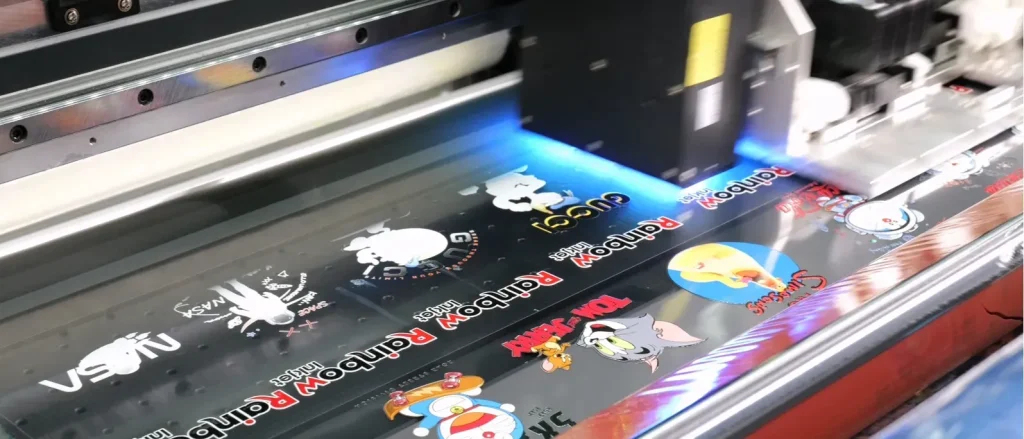
In the modern landscape of printing technology, UV DTF (Direct to Film) techniques are revolutionizing how we approach substrate printing. This innovative method combines the precision of UV printing with the flexibility of Direct to Film printing, enabling users to achieve vibrant and durable designs on various materials, including textiles and plastics. By leveraging UV-curable inks, this technique ensures that prints not only stand out aesthetically but also withstand the test of time. As professionals seek reliable and high-quality outputs, understanding UV DTF techniques is becoming an essential skill for anyone in the printing industry. Join us as we delve deeper into mastering this transformative process, uncovering the tools, techniques, and tips needed for successful implementation.
Exploring Direct to Film printing, often referred to as DTF, reveals a fascinating realm of contemporary printing solutions. This technique, enhanced by the application of UV-curable inks, offers professionals the advantage of printing directly onto a variety of substrates with remarkable efficiency and quality. The integration of UV printing technology into DTF processes is reshaping how creative projects are realized, allowing for bold colors and intricate designs that were previously challenging to achieve. By understanding alternative terms and methodologies related to UV DTF, practitioners can broaden their expertise and adapt to the evolving demands of the market. Let’s take a closer look at these advanced techniques and their myriad applications.
Introduction to UV DTF Techniques
UV DTF techniques, which stand for Ultra Violet Direct to Film, represent a cutting-edge method in the realm of printing technology. This innovative technique combines the high-quality output of UV printing with the versatility of Direct to Film printing, allowing for exceptional performance across various materials. By utilizing UV-curable inks, UV DTF ensures vibrant colors and durability, making it an ideal choice for a variety of applications, from textiles to hard substrates.
As industries demand more efficient and reliable printing processes, UV DTF techniques are emerging as a solution that meets these expectations. This process allows for printing on an extensive range of substrates, offering creators the flexibility to execute complex designs without compromising quality. By exploring the unique properties of UV-curable inks, printers can take advantage of quick curing times and environmental benefits, positioning UV DTF as a leading option in the modern printing landscape.
Understanding the Impact of UV Printing in UV DTF Techniques
UV printing technology has radically changed the landscape of the printing industry, and its integration into UV DTF techniques is no exception. Unlike traditional printing methods, UV printing uses ultraviolet light to cure inks as they are printed, resulting in instant drying and immediate handling capabilities. This significantly enhances productivity and helps maintain the integrity of detailed designs, especially when utilizing high-resolution graphics and color profiles.
Furthermore, the advantages of UV-curable inks extend beyond just drying times. These inks are known for their exceptional adhesion to various substrates, including difficult materials like plastics and metals. This characteristic is particularly advantageous for businesses aiming to produce durable and high-quality prints that can withstand wear and tear. As UV DTF techniques evolve, understanding the relationship between UV printing and DTF methods is crucial for achieving the best possible results.
Key Equipment for Successful UV DTF Printing
To effectively implement UV DTF techniques, having the right equipment is paramount. High-quality printers equipped with UV LED technology play a foundational role in ensuring successful outcomes. Leading printing brands, such as Epson and Mimaki, manufacture devices that ensure precise color reproduction, excellent adhesion, and rapid curing. Choosing a printer that aligns with your project’s needs can significantly impact the final product’s quality.
In addition to selecting the appropriate printer, the inks used in the UV DTF process are equally critical. Utilizing UV-curable inks allows for vibrant colors and resilience to environmental factors. It is essential to ensure that the chosen inks are compatible with the substrates being printed on, as this compatibility can greatly enhance adhesion and overall print durability. Investing in top-tier equipment and inks is a wise step towards mastering UV DTF techniques.
Surface Preparation for Optimizing UV DTF Printing
Surface preparation is an indispensable element in achieving successful UV DTF prints. Properly preparing the materials ensures that the UV-curable inks adhere effectively, preventing issues such as peeling or fading over time. This involves cleaning the substrates thoroughly and, if necessary, applying a primer that enhances the bonding capability of the inks. The right surface treatment sets the stage for a flawless printing process and a high-quality final product.
Additionally, understanding different substrate properties is crucial when preparing surfaces for UV DTF printing. Certain materials, like polyesters or aluminum, may require specific treatments to promote ink adhesion. By taking the time to evaluate the surface characteristics and implementing appropriate preparation techniques, printers can substantially improve the end quality of their UV DTF outputs, ensuring that they meet clients’ expectations for durability and design.
Troubleshooting Common Issues in UV DTF Techniques
Even experienced professionals can encounter challenges while using UV DTF techniques. Common issues such as ink adhesion failures can occur if surfaces are not cleaned thoroughly or if incompatible inks are used. To mitigate these problems, it’s essential to establish a rigorous cleaning protocol for all substrates and to properly test ink compatibility before initiating production runs. Understanding these potential pitfalls ensures a smoother printing experience and minimizes costly errors.
Another frequent issue involves head clogging, which may be exacerbated by inadequate maintenance of printing equipment. Regular maintenance routines, including cleaning print heads and updating ink cartridges, are essential to avoid this problem. By scheduling consistent check-ups and cleanings, printers can maintain optimal functionality and reduce instances of print quality inconsistencies.
Emerging Trends in UV DTF Techniques
The landscape of UV DTF techniques is quickly evolving, especially with the increasing adoption of automated systems that enhance productivity and efficiency. Current trends indicate a growing interest in automating repetitive tasks, which not only speeds up production but also minimizes human error. As businesses seek to maximize output while maintaining high-quality standards, incorporating innovation into UV DTF workflows is becoming essential.
Moreover, the market for UV DTF printing is on the rise, fueled by various sectors seeking versatile and reliable printing solutions. Custom apparel and promotional items represent some of the emerging areas where UV DTF technology thrives. As advancements in the technology continue to unfold, staying updated on these trends is vital for professionals aiming to remain competitive and meet evolving consumer demands.
Frequently Asked Questions
What are UV DTF techniques and how do they work in printing technology?
UV DTF techniques, or Direct to Film printing, involve a unique printing method that integrates UV printing technology with DTF processes. This allows for high-resolution images to be printed on various substrates, such as textiles, plastics, and metals, using UV-curable inks that dry instantly under UV light.
What types of substrates can be used with UV DTF printing?
UV DTF printing can be applied to a wide array of substrates including textiles, rigid plastics, and metals. This versatility makes UV DTF techniques popular in various industries, facilitating vibrant and high-quality designs on numerous surfaces.
What is the significance of UV-curable inks in UV DTF techniques?
UV-curable inks play a critical role in UV DTF techniques as they enable immediate curing of prints, resulting in vibrant and durable designs. They are essential for ensuring strong adhesion to substrates and maintaining print quality irrespective of the material used.
How do I prepare surfaces for UV DTF printing?
Proper surface preparation is key for successful UV DTF printing. This involves cleaning the substrate to remove oils and dust, as well as possibly applying a primer to enhance ink adhesion. This increases the overall durability and quality of the printed design.
What common issues can occur during UV DTF printing and how can they be resolved?
Issues such as ink adhesion failures and print quality inconsistencies can arise during UV DTF printing. To resolve these, ensure thorough surface cleaning, check printer alignment, and use compatible inks. Regular maintenance of your printer is also essential to prevent issues like head clogging.
What advancements are being made in UV DTF techniques and their applications?
The UV DTF market is experiencing significant growth, with ongoing innovations leading to new applications like custom apparel and promotional products. Enhanced automation in printing systems is also contributing to improved efficiency and productivity for businesses utilizing UV DTF technologies.
| Section | Key Points |
|---|---|
| Introduction | Overview of UV DTF and its rise in printing technology. |
| What is UV DTF? | A printing method combining UV and DTF advantages for various substrates, offering vibrant and durable prints. |
| Understanding Equipment | Focus on high-quality printers and UV-curable inks to ensure excellent adhesion and vibrant colors. |
| Surface Preparation | Cleaning and pre-treating surfaces to enhance ink adhesion is crucial for successful printing. |
| Design Software | Familiarity with software like Adobe Illustrator and understanding color profiles are essential for optimal designs. |
| Printing Process | Following a calibrated workflow ensures accurate prints, including material loading and settings adjustments. |
| Curing the Print | UV curing lamps are critical for setting inks and enhancing durability after printing. |
| Finishing Techniques | Applying coatings and laminates can protect prints and improve their tactile quality. |
| Troubleshooting | Common issues include ink adhesion failures and print quality inconsistencies, which can be mitigated with proper maintenance. |
| Recent Developments | Market growth and innovative applications highlight the evolving role of UV DTF in the printing industry. |
Summary
UV DTF techniques represent a transformative leap in the printing industry, merging cutting-edge UV printing with the adaptability of direct-to-film methods. As professionals embrace these techniques, they are not only producing vibrant, long-lasting prints but also exploring new applications that meet diverse market demands. This detailed guide offers critical insights into equipment, preparation, software, and troubleshooting to ensure successful integration of UV DTF techniques into your workflow. With ongoing advancements enhancing productivity and capabilities, staying informed is essential for mastering this innovative approach to printing.