
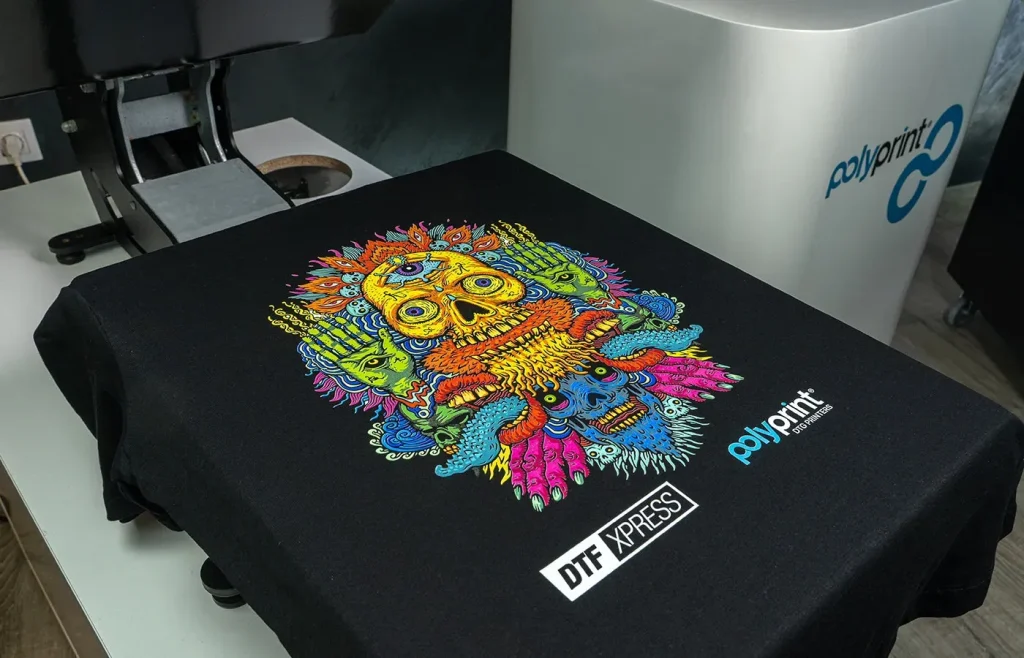
DTF printing, or Direct-to-Film printing, represents a major breakthrough in textile printing technology, revolutionizing how custom apparel is produced. By utilizing a unique DTF printing process, this innovative method transfers stunning images onto fabrics with remarkable precision and vibrant color retention. As businesses and artists alike seek eco-friendly printing solutions, DTF technology becomes a crucial player in meeting both quality and sustainability standards. Its ability to produce high-quality prints on a variety of textiles makes it a popular choice in the realm of custom apparel printing. With increasing demand and advancements in Direct-to-Film technology, DTF printing is set to lead the way in the ever-evolving landscape of textile printing.
Also referred to as Direct-to-Film transfer printing, this emerging textile printing method is gaining traction due to its user-friendly process and ability to deliver exceptional image quality. By employing advanced techniques, Direct-to-Film printing maximizes the potential for creating detailed designs that stand out on various garment types. This approach, which allows for the seamless application of vibrant colors directly onto fabrics, is becoming a favored option for businesses focusing on custom garment production. As industries look for environmentally conscious solutions, the eco-friendly attributes of DTF technology further enhance its appeal. Overall, the rise of this innovative printing method signifies a shift towards more versatile and sustainable approaches in the world of apparel printing.
Understanding the DTF Printing Process
The DTF printing process stands out for its efficiency and quality, making it a favorite among custom apparel creators. Unlike traditional methods such as screen printing, DTF utilizes a unique transfer film that captures the design before it’s applied to the fabric. This film is printed using specialized DTF inks that bond well with various textiles, offering flexibility for garments made from cotton, polyester, or blends. The process begins with the digital artwork, which is printed onto the transfer film, and then coated with a heat-activated adhesive powder. After heating the film to melt the adhesive, it is carefully applied to the garment using a heat press, resulting in vibrant and detailed finishes that are both long-lasting and durable.
One of the key advantages of this process is its ability to handle intricate designs with multiple colors without the need for color separations. This allows for efficiency when producing small to medium runs of custom apparel. As businesses look for ways to stand out in a competitive market, DTF printing champions customization and creativity, providing an ideal solution for promoting brand identity through apparel.
Furthermore, DTF printing offers scalability in production, making it suitable for both entrepreneurs and established manufacturers. The ease of producing high-quality graphics means that anyone with the right printer and setup can create custom products without the heavy investment often associated with screen printing equipment. For startups focused on apparel, DTF provides an entry into the market that is economical and versatile, catering to diverse consumer demands. As more brands tap into on-demand manufacturing and personalized fashion, DTF printing is becoming a foundational technology in the custom apparel industry.
Key Features of DTF Printing Technology
DTF printing technology boasts several features that set it apart from traditional textile printing methods. One of its most compelling attributes is the ability to print high-resolution images that retain their color vibrancy, even after multiple washes. This resilience is due to the specialized inks and adhesives used in the DTF printing process, which penetrate the fabric’s fibers more efficiently than conventional inks. The result is a finished product that not only looks great but also stands the test of time, making it ideal for custom apparel that sees regular use.
Additionally, DTF printing supports a wide range of textile materials, including difficult fabrics that are typically challenging for other printing techniques. This adaptability opens new markets for custom apparel businesses, letting them cater to various customer preferences, whether they need soft cotton tees or weather-resistant blends for athletic wear.
Moreover, the eco-friendly printing aspect of DTF technology is increasingly becoming a selling point in today’s environmentally conscious market. The use of water-based inks in DTF printing aligns with sustainable fashion trends, providing brands with an opportunity to market their products as being produced with less environmental impact. As consumer awareness grows, choosing DTF printing not only serves functional needs but also resonates with buyers looking for responsible and eco-friendly products.
Advantages of DTF Printing for Custom Apparel
The advantages of DTF printing extend beyond just quality and versatility; they also encompass cost-effectiveness and efficiency for businesses in the custom apparel sector. For small and medium enterprises, the lower setup costs compared to traditional screen printing make DTF an accessible option without compromising on quality. This financial flexibility allows brands to experiment with various designs and product lines without the risk of significant investment.
Additionally, the short turnaround times associated with DTF printing strategically benefit businesses that operate in fast-paced markets. Whether fulfilling a single order or running a micro-batch production, DTF technology can accommodate various requests with ease. This means businesses can respond quickly to market trends and customer demands, giving them a competitive edge.
Moreover, DTF printing simplifies the production of custom apparel by reducing the need for extensive inventory. Businesses can print on-demand, creating only what is needed based on real-time orders. This not only minimizes waste but also increases agility in an ever-evolving fashion landscape, allowing brands to adapt styles and offerings swiftly. As e-commerce continues to rise, having a DTF setup enhances the operational capabilities of custom apparel businesses, positioning them for success.
Eco-Friendly Aspects of DTF Printing
With sustainability becoming a crucial factor in consumer decision-making, DTF printing holds an appealing eco-friendly profile. Utilizing water-based inks significantly reduces chemical waste compared to traditional solvent-based options, which contributes to a lower environmental footprint. This characteristic aligns with the growing consumer demand for products that reflect environmentally responsible practices, not just in production but also in overall product lifecycle.
Moreover, DTF printing’s ability to produce high-quality prints with minimal ink waste reinforces its sustainability narrative. As brands increasingly seek to implement sustainable practices, integrating eco-friendly printing technologies like DTF can enhance brand image while also meeting customer expectations.
Additionally, the DTF printing process itself emphasizes resource efficiency. With its capability to produce detailed designs without requiring large batches, businesses can avoid excess inventory and reduce waste significantly. This not only benefits the planet but also contributes to a more streamlined operational process where resources are utilized judiciously. As more brands adopt ethical and sustainable practices, DTF printing emerges as a frontrunner in aligning manufacturing processes with these valuable principles.
Market Trends and Growth in DTF Technology
The DTF printing market is witnessing remarkable growth, with forecasted expansions driven by the rising trend in personalized apparel. As consumers increasingly seek unique garments that reflect their personal style, businesses that adopt DTF technology are well-positioned to capitalize on this demand. The ability to quickly print custom designs makes DTF printing a go-to solution for fulfilling consumer desires for individualization in products.
Moreover, as the technology continues to evolve, innovations like enhanced ink formulations and specialized DTF printers are emerging. These advancements not only improve the durability and quality of prints but also streamline production processes, making it more appealing to businesses of all sizes. As small to medium enterprises look for competitive advantages in a saturated market, embracing DTF technology serves as a strategic move.
Additionally, market sentiment indicates a shift towards embracing on-demand production models, primarily due to the lower overhead costs associated with DTF printing. This flexibility allows brands to accommodate a growing range of designs without the burden of large-scale manufacturing, which is often capital-intensive. The trend towards customization also caters to the millennial and Gen Z demographics, further solidifying DTF printing’s place as an industry staple.
Challenges and Considerations for DTF Printing Implementation
While DTF printing brings a myriad of benefits, there are also challenges that businesses must navigate as they adopt this technology. One significant hurdle is the initial investment needed for specialized DTF printing equipment and materials, which may deter cost-sensitive newcomers to the industry. Although the long-term cost-effectiveness is often justified by the quality and versatility the technique offers, businesses must still weigh their financial capabilities before making the leap.
Additionally, competitors in the textile printing space, such as Direct-to-Garment (DTG) printing, present challenges that require DTF printers to continually innovate and differentiate their offerings. Businesses utilizing DTF must not only highlight their unique selling propositions but also stay informed about technological advancements to remain viable in a competitive marketplace.
Moreover, potential operational challenges can arise if companies do not have the proper technical know-how or training for their staff. Understanding the nuances of DTF printing, including color management and transfer techniques, is essential for achieving consistently high-quality results. Companies may need to invest in training programs to empower their teams and ensure they can fully utilize the capabilities of DTF technology.
Frequently Asked Questions
What is the DTF printing process and how does it work?
The DTF printing process, or Direct-to-Film technology, involves printing designs onto a specialized transfer film using DTF inks. After printing, an adhesive powder is applied over the wet ink, which is then heated to melt the adhesive. Finally, the film is heat-pressed onto the fabric, allowing for vivid and detailed image transformations on various textiles.
What makes DTF printing different from traditional screen printing?
Unlike traditional screen printing, DTF printing utilizes a transfer film to apply ink onto fabric. This method allows for a higher level of detail and color vibrancy. Additionally, DTF is more versatile, enabling printing on a wider range of materials, which makes it a preferred choice for custom apparel printing.
Are DTF printed garments eco-friendly?
Yes, DTF printing is considered eco-friendly due to its use of water-based inks, which have a lower environmental impact compared to solvent-based inks traditionally used in printing processes. This sustainable approach aligns with the growing demand for environmentally-conscious textile printing technology.
What types of fabrics are best suited for DTF printing?
DTF printing works exceptionally well on a variety of fabrics, including cotton, polyester, and blends. Its versatility allows manufacturers to create custom designs on different textiles, making it ideal for diverse applications, from custom apparel to promotional items.
Is DTF printing cost-effective for small businesses?
Yes, DTF printing can be very cost-effective for small businesses, particularly for small batch orders. The setup costs are typically lower than traditional screen printing, making it accessible for startups looking to offer custom apparel printing without high upfront investments.
What are the latest developments in DTF printing technology?
Recent developments in DTF printing technology include improvements in ink formulations that enhance durability and wash-fastness, as well as the introduction of new printers designed specifically for DTF applications. These advancements are helping elevate the quality and efficiency of the DTF printing process, driving market growth.
| Feature | Description |
|---|---|
| DTF Printing Process | Involves printing a design onto a transfer film, applying adhesive, and using heat to transfer it to fabric. |
| Image Quality | Produces vibrant, high-quality images with intricate details, significantly suitable for cotton and polyester fabrics. |
| Eco-Friendly | Utilizes water-based inks which are more environmentally friendly than traditional solvent-based inks. |
| Cost-Effectiveness | Lower setup costs compared to screen printing, making it accessible for small batch orders and custom apparel production. |
| Versatility | Applicable to a diverse range of textiles and promotional items, catering to various customer needs. |
Summary
DTF Printing is revolutionizing the textile industry by providing a unique blend of quality, versatility, and efficiency. This innovative technology allows for high-resolution images to be transferred onto various fabrics seamlessly, making it an essential tool for custom apparel and promotional items. With its eco-friendly approach, using water-based inks, and cost-effective setup, DTF printing caters to both consumers and businesses looking to produce customized products. The market is rapidly evolving, with advances in technology pushing the boundaries of what is possible. As more businesses adopt DTF Printing, we are likely to witness its growing influence in shaping the future of the garment industry and beyond.