
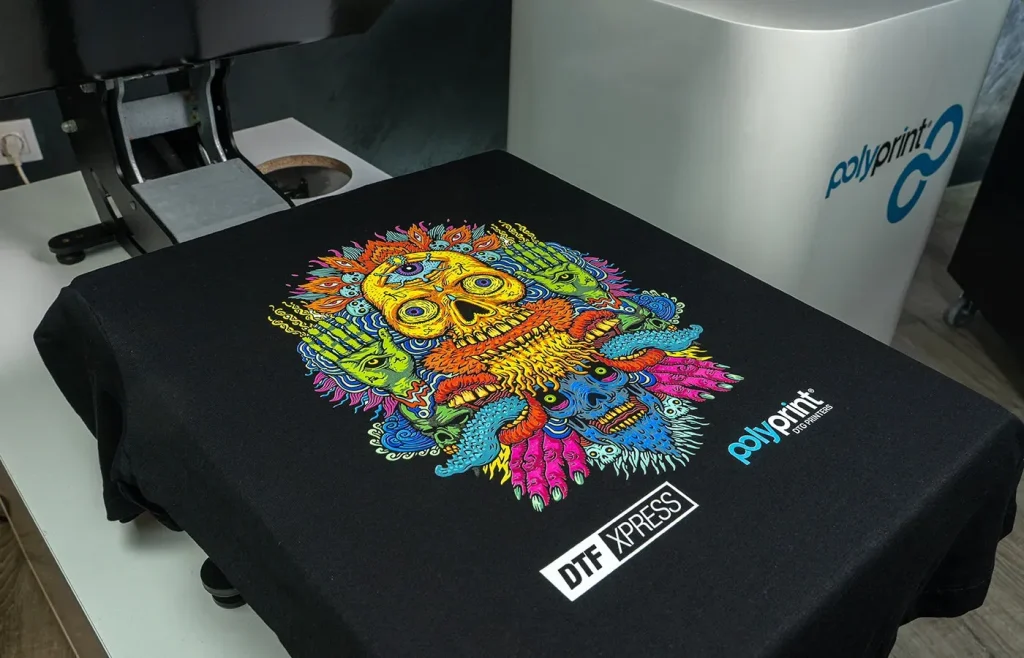
DTF printing, or Direct-to-Film printing, is quickly becoming a game-changer in the realm of garment printing. This innovative method merges the precision of digital printing with the versatility required for fabric printing on various substrates, making it a prominent choice for businesses and creators alike. Unlike traditional techniques, DTF printing simplifies the process of transferring intricate designs onto textiles, thus broadening the horizons for custom apparel and promotional items. With the ability to produce vibrant prints on a wide array of materials, DTF printing offers a striking advantage over other options like DTG printing. As we delve into the world of DTF, we will dispel prevalent myths and showcase its true potential within the dynamic field of digital printing.
Also known as Direct-to-Film technology, this advanced printing process encapsulates the essence of modern fabric printing. By allowing designs to be transferred with remarkable accuracy onto various surfaces, this method stands out in the crowded landscape of custom apparel production. Many entrepreneurs are leveraging DTF’s ability to create durable and vibrant prints, which cater to diverse consumer demands. This alternative printing solution complements traditional approaches like screen printing or DTG printing, providing a unique edge for those looking to expand their product offerings. As we explore the nuances of DTF, it’s essential to distinguish between the various printing techniques available today.
Exploring the Differences: DTF Printing vs. DTG Printing
Understanding the differences between DTF (Direct-to-Film) and DTG (Direct-to-Garment) printing is crucial for anyone in the fabric printing industry. DTF printing allows for versatility across various materials, making it ideal not only for cotton but also for synthetic fabrics, rigid substrates, and more. In contrast, DTG printing is mainly optimized for cotton garments, which can limit its application. Hence, businesses looking to explore a wider range of products can benefit greatly from choosing DTF as it breaks the barriers set by conventional garment printing methods.
Moreover, DTF printing also boasts faster setup times and lower costs in producing prints compared to DTG. The film used in DTF printing can be designed ahead of time and stored for future use, providing a convenience that DTG lacks. This efficiency means that businesses can scale their operations and react swiftly to customer demands, changing the landscape of digital printing in the garment sector.
Durability of DTF Prints: Setting the Record Straight
Contrary to the belief that DTF prints are fragile, the reality is that, when executed with quality materials, these prints can deliver impressive longevity. Advanced ink formulations paired with heat-activated adhesives allow DTF prints to remain vibrant even after repeated washing and wear. This durability particularly appeals to clothing brands that need to ensure their printed designs last for a significant amount of time, enhancing customer satisfaction and reducing costs related to returns or reprints.
It’s important to highlight that proper care instructions play a critical role in maintaining print quality. Consistently following recommended washing and drying techniques can dramatically extend the lifespan of DTF prints. Thus, when businesses inform their customers about the care of DTF printed garments, they reinforce the print’s durability and value, ultimately leading to a trustworthy brand image.
Maximizing Production Efficiency with DTF Printing
Many entrepreneurs believe that DTF printing is only practical for small-scale productions, but this notion is outdated. With advancements in DTF technology, businesses can effectively manage large orders due to high-speed production capabilities. The integration of commercial heat press machines and automated systems has taken DTF printing beyond small runs, allowing for seamless transitions between prints. This increased efficiency opens up opportunities for businesses to fulfill bulk orders without compromising quality or turnaround time.
In addition, the scalability of DTF printing technology means that different sizes of businesses, from small garment shops to larger manufacturers, can benefit from its capabilities. The flexibility of DTF processes accommodates various types of orders, including custom designs and promotional items, giving businesses the freedom to explore new avenues in the garment printing sector.
Streamlined Workflow: Demystifying DTF Printing
A common myth surrounding DTF printing is its perceived complexity and time-consuming nature. In reality, the workflow for DTF is increasingly streamlined due to technological improvements. The introduction of user-friendly DTF printers and automated heat presses has simplified the printing process considerably. This streamlining leads to faster completion rates compared to traditional methods, such as screen printing, which often require multiple, labor-intensive steps.
Moreover, specialized software available now can assist users in preparing their designs more efficiently. As a result, hobbyists and small business owners can enter the DTF printing market with reduced barriers to entry. The ability to produce high-quality prints swiftly without extensive hands-on labor is a significant draw for many, making DTF printing an ideal choice for those looking to capitalize on custom garment printing.
Accessibility of DTF Printing Equipment and Training
The misconception that DTF printing requires specialized training has discouraged many potential users from exploring this innovative option. However, the truth is that most current DTF printing systems are designed with end-user accessibility in mind. You can find an array of online tutorials, community forums, and instructional videos that guide new users through the operational steps, significantly lowering the learning curve.
With a commitment to practice and research, anyone can become proficient in DTF printing with relative ease. Whether for personal use or starting a business, this accessibility not only promotes creativity but also democratizes the printing industry, allowing a diverse group of people to share their designs and ideas without the overhead of formal training.
Embracing DTF Printing: The Future of Fabric Printing
As the fabric printing landscape continues to evolve, DTF printing stands out as a game changer. With its versatility, durability, and efficiency, DTF is rapidly becoming a preferred choice for contemporary garment projects. From custom apparel to promotional merchandise, this technology empowers both businesses and individuals to express their creativity. The ability to print on various fabrics expands the potential market for both novice designers and seasoned professionals.
Furthermore, as demand for unique, personalized products grows, the relevance of DTF printing will likely keep increasing. By understanding and leveraging the advantages of DTF printing, businesses can stay ahead of trends in the digital printing realm, ensuring they meet the changing preferences of consumers and capitalize on emerging market opportunities.
Frequently Asked Questions
What is DTF printing and how does it differ from DTG printing?
DTF printing, or Direct-to-Film printing, differs significantly from DTG (Direct-to-Garment) printing. While both methods are used in garment printing, DTF involves printing designs onto a special film which is then heat transferred onto various substrates. In contrast, DTG printing applies ink directly onto fabric, primarily cotton. This means DTF printing can be utilized on a broader range of materials, making it a versatile choice for fabric printing.
Are DTF prints durable for long-term use?
Yes, DTF prints are known for their durability. When high-quality inks and adhesives are used correctly, DTF printing can produce designs that resist fading and withstand numerous washes, often rivaling traditional screen printing. Following proper care instructions after the application will help maintain the longevity of DTF prints, making them ideal for both personal and commercial garment printing.
Can DTF printing handle large production runs efficiently?
Absolutely! A common misconception is that DTF printing is only suitable for small runs. Modern DTF technology can efficiently manage larger production volumes, especially with the use of commercial-grade heat presses. This allows businesses to scale up their operations effectively while maintaining print quality, making DTF an excellent option for bulk orders in garment printing.
Is DTF printing a complex process that requires special training?
While DTF printing does involve specific equipment and processes, it is generally user-friendly and does not require extensive training. Many DTF systems are designed for ease of use, supported by numerous online tutorials and community resources. With some practice and self-education, anyone can learn to operate DTF printing equipment effectively and incorporate it into their fabric printing projects.
How does the cost of DTF printing compare to other printing methods?
The cost of DTF printing is competitive with other garment printing methods like screen printing and DTG. While initial setup costs for DTF may be higher due to the need for specialized equipment, the advantages of printing on a wider variety of substrates and the ability to produce high-quality prints efficiently can lead to cost savings for businesses in the long run. This makes DTF printing an appealing option for budget-conscious entrepreneurs.
What types of materials can be used in DTF printing?
DTF printing is versatile and can be used on a wide array of materials beyond cotton. It works effectively on synthetic fabrics, blends, and even various hard surfaces when treated properly. This flexibility in material choice allows for greater creativity and product options in garment printing, helping businesses to reach diverse markets and customer preferences.
| Misconception | Truth |
|---|---|
| DTF Printing is the Same as DTG Printing | DTF printing involves a film transfer method suitable for diverse materials, unlike DTG which is restricted to cotton fabrics. |
| DTF Prints Are Not Durable | DTF prints can be highly durable, resisting fading and wear if high-quality materials and care instructions are followed. |
| DTF is Only Suitable for Small Runs | DTF can effectively handle large production volumes with the right equipment, making it suitable for businesses of any size. |
| DTF Is Difficult and Time-Consuming | DTF processes have become more efficient, and with the right tools, it can be quicker than traditional methods. |
| DTF Printing Requires Specialized Training | Modern DTF systems are user-friendly, with extensive resources available for new users to learn quickly and efficiently. |
Summary
DTF printing is transforming the garment printing landscape by offering a versatile and efficient alternative to traditional methods. Understanding the key differences and dispelling common misconceptions—such as the durability of prints and suitability for production volumes—can help businesses and hobbyists alike harness the full potential of this innovative printing technique. With its growing popularity, it’s essential to grasp the true capabilities of DTF printing, which enables the production of high-quality designs on various materials while remaining accessible to users without extensive training. As you delve into DTF printing, you will uncover new opportunities to revolutionize and enhance your fabric printing projects.