
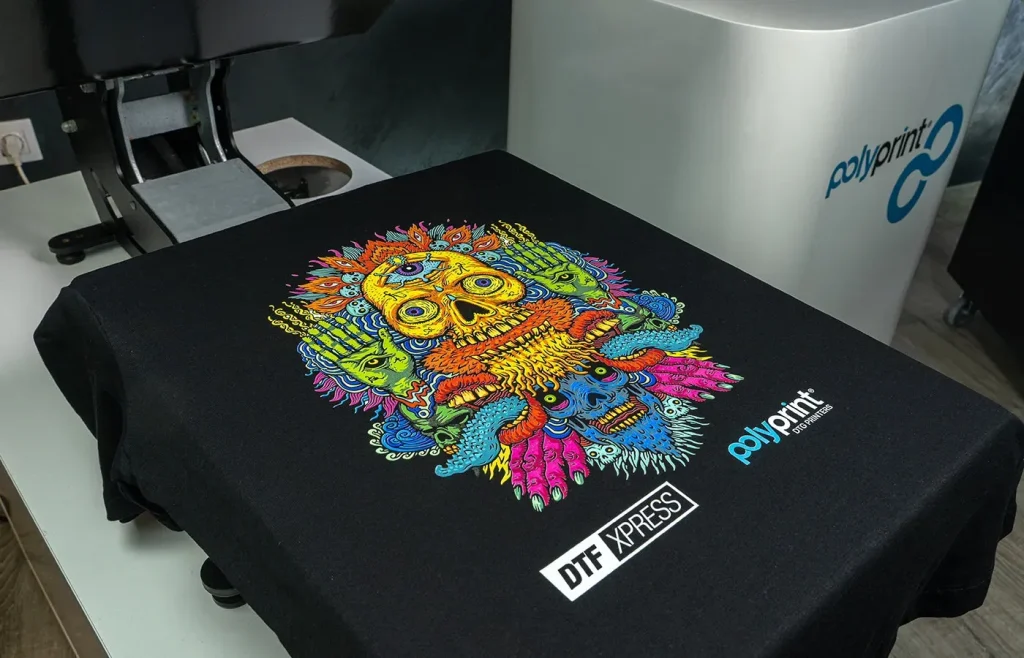
If you’re interested in custom apparel printing, **DTF printing**—short for Direct-to-Film printing—emerges as a revolutionary technology that simplifies the process while delivering stunning results. This innovative method allows you to print vibrant, detailed designs directly onto transfer film before applying them to fabric, making it ideal for beginners and seasoned printers alike. Throughout this guide, we will delve into the ins and outs of DTF printing, elucidating the entire DTF printing process, necessary equipment, and tips to get you started on your printing journey. With its versatility and cost-effectiveness, DTF printing is quickly becoming a go-to choice for those looking to produce high-quality, custom apparel. Whether you’re just starting out or considering venturing into custom designs, understanding this process will empower you to create professionally finished products with ease.
Exploring the realm of **direct-to-film printing** opens up a wealth of possibilities in the custom clothing sector. Often referred to as DTF, this technique stands out due to its unique approach of using specialized transfer films for applying designs to various fabric types. The **DTF printing equipment** includes essential tools like heat presses and adhesive powders that facilitate a simple and efficient process. By understanding the nuances of the **DTF printing process**, anyone can harness its potential to produce high-quality prints that appeal to fashion enthusiasts and businesses alike. Additionally, various **DTF printing tutorials** are available to help beginners navigate this exciting technology.
Understanding the Basics of DTF Printing
Direct-to-Film (DTF) printing stands out as a cutting-edge method for transferring designs onto fabric. This process begins with a specialized printer that transfers your artwork onto a predetermined film. This application is crucial because the film acts as a medium for the ink, allowing for vibrant, full-color outputs on various fabric types, including polyester and cotton blends. Understanding these foundational principles is essential for anyone considering venturing into the world of custom apparel printing.
The technology behind DTF printing has evolved rapidly, making it accessible for both hobbyists and professional printers. Its capacity to produce high-quality prints with remarkable detail, coupled with its durability, makes it a preferred choice for creating long-lasting apparel. By familiarizing yourself with the fundamentals of DTF, you lay the groundwork for mastering the intricate aspects of custom apparel printing.
Benefits of Choosing DTF Printing for Custom Apparel
One of the standout advantages of DTF printing is its ability to produce stunning full-color designs that remain vibrant even after numerous washes. This print durability is a game-changer for custom apparel businesses, as customers seek products that not only look good at purchase but also maintain their quality over time. Moreover, DTF printing offers considerable cost advantages, especially for small businesses. By allowing for smaller print runs without sacrificing quality, this method proves to be economical for those just starting.
Another benefit worth noting is the user-friendliness of the DTF printing process. Many beginners find DTF more approachable than other printing methods, as numerous online resources, tutorials, and communities exist to provide assistance. This accessibility lowers the barrier to entry, enabling aspiring printers to create beautiful custom apparel with relative ease and confidence.
Exploring the DTF Printing Process Step-by-Step
Understanding the step-by-step process of DTF printing is vital for achieving successful results. The first step involves creating a design using graphic design software, ensuring that the specifications align with the print area of the transfer film. This technical groundwork is crucial, as any miscalculations at this stage could affect the final product’s appearance.
Once the design is finalized, the next steps include printing on the film, applying adhesive powder, and finally using a heat press to transfer the design onto fabric. Each step plays a critical role in ensuring quality and longevity for the printed apparel. Beginners are encouraged to follow these steps closely and take note of their outcomes, as experience will lead to refinement and improved results in subsequent prints.
Essential Equipment and Supplies for DTF Printing Success
The success of DTF printing heavily relies on the right equipment and supplies. First and foremost is the DTF printer, specifically designed to print on transfer films. Various models offer different features, so it’s important to choose one that aligns with your printing needs and budget. Alongside the printer, a reliable heat press is essential for ensuring that your designs adhere properly to the fabric.
Additionally, adhesive powder and transfer film are critical components of the DTF printing process. The types of adhesive powder can vary based on your fabric choices, and understanding these differences will ensure that your designs maintain their quality over time. Investing in high-quality supplies will not only enhance your printing outcomes but will also simplify the entire process, making it more efficient and enjoyable.
Tips and Tricks for Successful DTF Printing
To enhance your skills in DTF printing, it’s beneficial to follow a few key tips and tricks. First, always perform test prints when adjusting printer settings, as calibrating color profiles can drastically impact the final output. Furthermore, experimenting with different fabric types and settings will help you discover the best combinations for your specific needs.
Networking with other DTF printing enthusiasts through online forums and social media groups is another excellent way to learn. Many experienced printers often share insights, troubleshooting tips, and innovative techniques that can elevate your own printing projects. Engaging in these communities can provide valuable support as you navigate the learning curve associated with DTF printing.
Common Challenges and Solutions in DTF Printing
Like any printing method, DTF printing comes with its unique set of challenges. Common issues include misalignment of prints, poor adhesion on the fabric, or colors not appearing as expected. These challenges often stem from inadequate preparation, such as incorrect printer settings or failure to properly cure adhesive powder. By knowing the potential pitfalls and proactively addressing them, you can greatly improve your printing outcomes.
Understanding the underlying causes of issues and applying reliable solutions is crucial for any beginner in DTF printing. Keep detailed notes of your prints, noting the settings used, to create a reference guide that will aid you in troubleshooting. Continuing to experiment and refine your technique over time ensures that you will overcome these challenges effectively.
Frequently Asked Questions
What is DTF printing and how does it work?
Direct-to-Film (DTF) printing is a method where designs are printed on a special film and transferred to fabric using heat. The process involves printing the artwork on transfer film, applying an adhesive powder, and then heat pressing it onto the desired textile. This technique allows for vibrant, durable prints on a variety of materials.
What equipment do I need for DTF printing?
Essential DTF printing equipment includes a DTF printer for printing on transfer film, a heat press for applying the design, adhesive powder for ensuring the print sticks, and the appropriate transfer film. Each piece of equipment plays a crucial role in achieving high-quality results.
Can I print on any fabric with DTF printing?
Yes, DTF printing is versatile and works well on various fabrics, including polyester, cotton blends, and more. This adaptability makes it a popular choice for custom apparel printing, allowing for detailed and colorful designs on most fabric materials.
How can beginners learn the DTF printing process?
Beginners can learn the DTF printing process through online tutorials, video demonstrations, and community resources like forums and social media groups. Many YouTube channels provide detailed DTF printing tutorials to help newcomers understand the steps and equipment needed.
What are the advantages of using DTF printing for custom apparel?
DTF printing offers several advantages, including the ability to create high-quality, vibrant designs, cost-effectiveness for small batches, user-friendliness, and minimal setup time. These benefits make DTF an attractive option for those entering the custom apparel printing market.
Is DTF printing cost-effective for small businesses?
Yes, DTF printing can be cost-effective for small businesses due to its ability to print small quantities without extensive setup. Although the initial investment in DTF printing equipment may be high, the long-term savings from efficient production and reduced waste make it a worthwhile investment.
| Section | Key Points |
|---|---|
| What is DTF Printing? | A versatile printing technology creating high-quality designs on fabrics using transfer films. |
| Key Developments and Techniques | Advancements in technology provide versatility, durability, and capability to print on various fabric types. |
| Advantages of DTF Printing | Produces high-quality, durable, and vibrant designs with cost-effective small batch printing. |
| Essential Equipment and Supplies | Includes a DTF printer, heat press, adhesive powder, and transfer film. |
| Step-by-Step Process | 1. Design Creation 2. Printing 3. Powder Application 4. Heat Transfer |
| Considerations for Beginners | Focus on learning color profiles, heat settings, and utilizing community resources for support. |
Summary
DTF printing is transforming the landscape of custom apparel production, making it an appealing choice for hobbyists and professionals alike. This innovative method combines advanced technology with ease of use, allowing users to achieve eye-catching designs across various fabric types. By understanding the essential steps and equipment needed, beginners can swiftly navigate the learning curve and produce high-quality garments. As one gains experience and refines their skills, the exciting possibilities of DTF printing in creating unique apparel will undoubtedly flourish.