
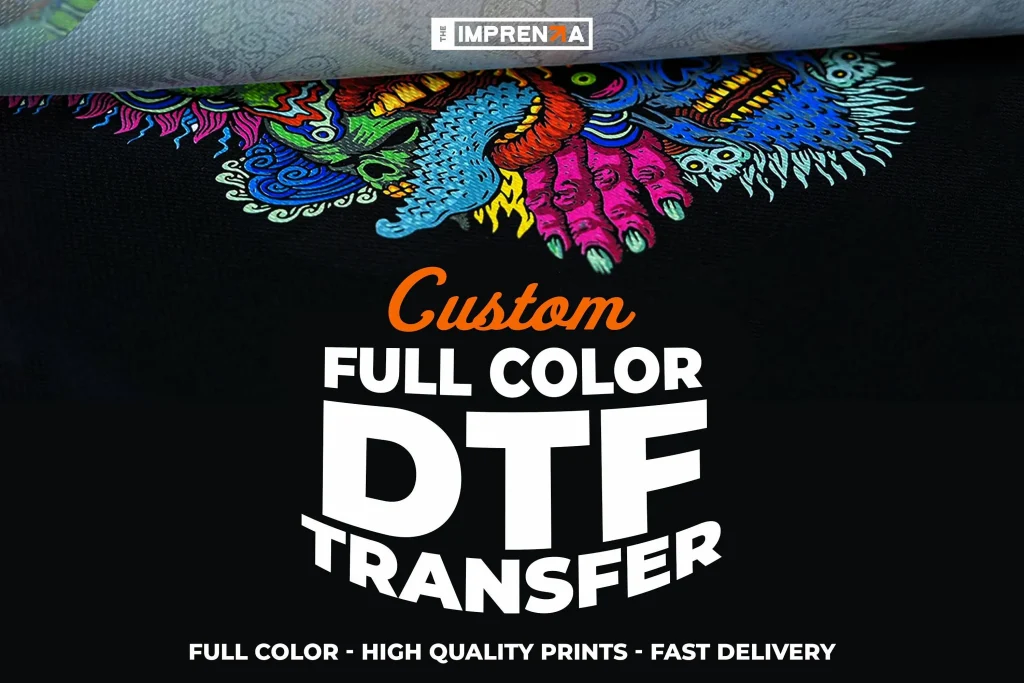
DTF transfers, or Direct-to-Film transfers, have emerged as one of the most innovative techniques in the realm of custom apparel printing. By utilizing advanced digital printing methods, this revolutionary approach allows users to create vibrant, high-quality designs that can be easily transferred onto a variety of fabrics. For beginners venturing into the world of DTF printing, understanding the essential tools like printers, transfer films, and heat presses is key to ensuring successful results. This guide provides a wealth of resources, making it easier than ever to embark on your custom printing journey. Dive in to discover how DTF transfers can elevate your creativity and help you craft unique apparel that stands out in the market.
Direct-to-Film printing, often referred to as DTF printing, represents a transformative method in custom design application for textiles. This technique utilizes unique transfer films and specialized heat presses to deliver eye-catching prints on various substrates. As this printing style gains traction among DIY enthusiasts and startup brands, grasping its fundamentals becomes crucial for beginners eager to make their mark. With a broad spectrum of beginner printing resources now available, creators can seamlessly navigate the essentials of equipment selection and design execution. Embrace the world of film transfers and uncover the possibilities that lay within creating bespoke apparel.
1. The Basics of DTF Transfers: A Beginner’s Guide
Understanding the basics of DTF (Direct-to-Film) transfers is crucial for anyone venturing into the world of custom apparel printing. This method involves printing designs on special films using high-quality inks, and then transferring these prints onto fabric with the help of a heat press. For beginners, mastering these fundamental concepts can seem daunting, but with the right tools and a clear understanding, the process can be rewarding and enjoyable.
To embark on this journey, one must familiarize oneself with essential terms like “transfer film” and “heat press”. The ability to create stunning designs that are durable and expressive makes DTF printing an attractive option for hobbyists and aspiring entrepreneurs alike. This technique is not just about the prints; it’s about creating unique apparel that resonates with personal branding and artistic expression.
2. Essential Equipment for DTF Printing Success
Having the right equipment is paramount in the DTF printing process. The key components include a compatible printer, specifically designed DTF inks, transfer film, powder adhesive, and a reliable heat press. Each component plays a vital role in achieving high-quality and long-lasting prints. For instance, an Epson EcoTank printer is often recommended for its affordability and capability to produce vibrant designs.
A good heat press machine ensures even application of heat and pressure, which is essential for transferring your designs effectively. It’s also important to invest in high-quality transfer films that match your fabric types to guarantee the adhesion of inks and powders during the transfer process. Understanding the synergy between these tools can significantly enhance your printing outcomes.
3. Choosing the Right DTF Printer: Key Considerations
When selecting a printer for DTF transfers, there are several factors to consider. Firstly, look for an inkjet printer that supports DTF-specific inks, as this will directly affect the vibrancy and durability of your prints. Printers like those from Epson and Roland are well-regarded in the industry for their reliability and print quality. Additionally, consider the size of the printer; larger formats allow for more design flexibility.
Another consideration is the cost of replacement inks and maintenance. Budgeting for DTF inks is crucial as they differ from standard inks in terms of composition and cost. Beginner printers should aim for models that not only perform well but are also easy to maintain, ensuring trouble-free printing experiences as they grow their skills and expand their projects.
4. Understanding DTF Inks and Their Importance
DTF inks are a critical component of the DTF printing process, as they are specially formulated to bond effectively with transfer films and fabrics. Unlike standard inks, DTF inks often have specific chemical qualities that enhance their adherence, resulting in brighter and more durable prints. Investing in high-quality DTF inks can make a noticeable difference in output quality and longevity.
For beginners, exploring various DTF ink brands can be beneficial. Popular choices like Aquasol and TFP inks are favored for their vibrancy and performance. By choosing the right inks, you can ensure that your designs stand out while also resisting fading over time, thus guaranteeing customer satisfaction and repeat business.
5. The Role of Transfer Film in DTF Printing
Transfer film is an essential aspect of DTF printing, serving as the medium that carries your design from printer to fabric. It is crucial to select the right type of transfer film that aligns with your specific project needs, as different films have varying properties like finish—clear, matte, or glossy—and adhesive capabilities. Choosing the right one can influence both the aesthetic and durability of your final product.
Additionally, compatibility with your printer and inks is paramount. Ensuring that the transfer film works seamlessly with other DTF materials enhances the overall efficiency of your printing process. For beginners, understanding the nuances of transfer films will lead to more successful applications and a stronger foundation for creating professional-quality apparel.
6. Learning Resources: Mastering the Art of DTF Printing
To master DTF printing, utilizing a plethora of learning resources is essential. Online tutorials found on platforms like YouTube offer free insights and hands-on demonstrations from experienced DTF printers. These visual resources can help beginners understand techniques and tips that written content may not convey effectively.
In addition to tutorials, consider enrolling in structured courses through platforms such as Udemy or Skillshare. These courses often delve deeper into concepts like graphic design, color theory, and the technical aspects of DTF printing. Combining these learning methods with community engagement, such as joining forums or social media groups, can further enhance your skills and knowledge, providing a well-rounded approach to mastering DTF transfers.
Frequently Asked Questions
What are DTF Transfers and how do they work in custom apparel printing?
DTF Transfers, or Direct-to-Film Transfers, involve printing designs onto a special transfer film that is then applied to fabrics using a heat press. This technique allows for high-quality, vibrant prints on various materials, making it a popular choice for custom apparel printing.
What tools do I need to start DTF Transfers for my DIY projects?
To start DTF Transfers, you’ll need essential tools including a compatible printer, DTF inks, transfer film, powder adhesive, a heat press, and graphic design software. These components work together to ensure successful prints for your DIY projects.
Are there specific DTF inks recommended for beginners in digital printing?
Yes, beginners should look for reliable DTF inks that enhance the bond between transfer film and fabric. Popular brands like Aquasol and TFP inks are highly recommended for their ability to produce vibrant and durable prints.
How do I choose the right transfer film for my DTF printing projects?
When choosing transfer film for DTF printing, opt for films that are coated with a polymer designed to adhere to fabric. Consider the finish (clear or matte) and ensure compatibility with your printer and inks for the best results.
What features should I look for in a heat press for DTF transfers?
A suitable heat press for DTF transfers should have adjustable temperature and pressure settings, along with even heat distribution. Reputable brands like Hotronix and Geo Knight offer machines that are favored by many DTF printing enthusiasts.
Where can I find beginner printing resources to learn more about DTF transfers?
Beginners can find valuable printing resources online through platforms such as YouTube for tutorials, and websites like Udemy and Skillshare for structured courses. Joining online forums and communities dedicated to DTF printing can also enhance learning and support.
| Essential Tool | Description | Recommended Brands |
|---|---|---|
| Printer | A high-quality printer that supports DTF-specific inks for vibrant designs. | Epson, Roland, EcoTank series. |
| DTF Inks | Specialized inks that bond well with fabrics for long-lasting prints. | Aquasol, TFP inks. |
| Transfer Film | Coated film that transfers prints onto fabric, available in various finishes. | Clear, matte options. |
| Powder Adhesive | Powder used to bond the transfer image to fabric using heat. | High-quality adhesion powder. |
| Heat Press | Machine that applies heat and pressure to transfer designs onto fabric. | Hotronix, Geo Knight. |
| Software | Graphic design software for creating and editing designs. | Adobe Illustrator, CorelDRAW, Canva. |
Summary
DTF Transfers have become a game-changer for those embarking on custom printing adventures. These transfers allow users to produce high-quality, eye-catching designs on various fabrics with relative ease. By utilizing essential tools like a good printer, specialized inks, appropriate transfer films, powder adhesive, a reliable heat press, and user-friendly software, beginners can achieve stunning results that last. Furthermore, engaging with online resources such as tutorials, courses, and community forums can significantly enhance one’s skills and understanding of the DTF printing process. For anyone looking to delve into DTF Transfers, the combination of quality tools and continuous learning is the key to success.