
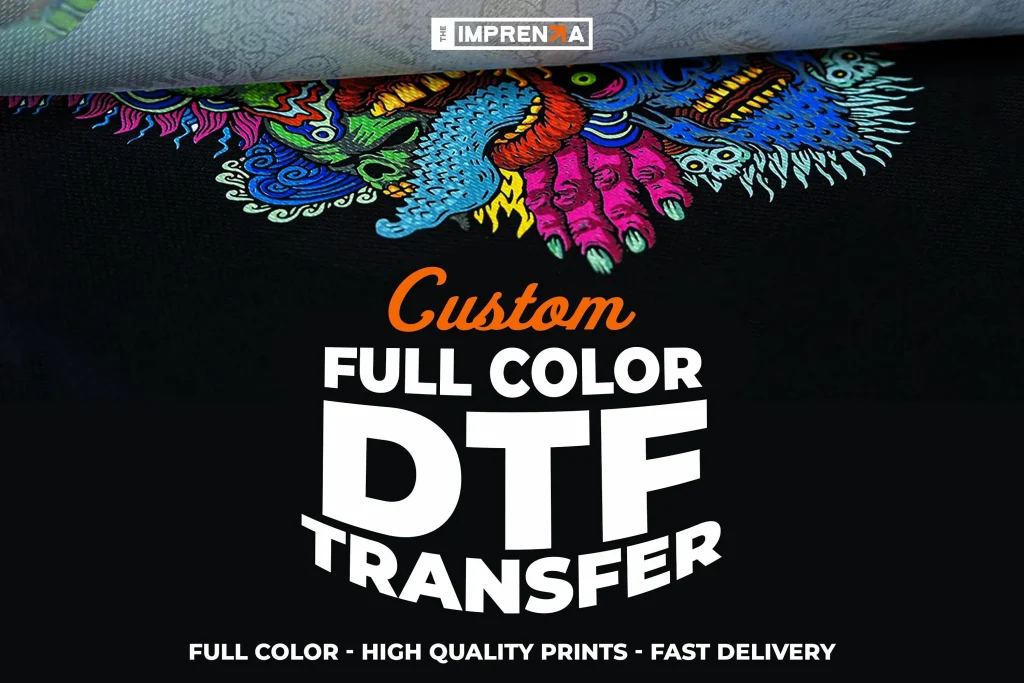
DTF transfers, or Direct to Film transfers, are revolutionizing the custom apparel printing landscape, standing out for their innovative approach to textile decoration. This cutting-edge DTF printing technology allows designs to be printed directly onto a special film, which is then heat-transferred onto various fabrics, creating vibrant, durable prints that meet the highest quality standards. As the demand for unique and customizable clothing rises, businesses are increasingly turning to DTF transfers as a cost-effective and sustainable printing solution. With their ability to print on a wide range of materials, DTF transfers not only enhance brand visibility but also cater to environmentally-conscious consumers, making them a game changer in the industry. This beginner-friendly guide explores the dynamics of DTF transfers and how they can elevate your printing operations to new heights.
Direct to Film (DTF) printing represents an innovative stride in the world of printing solutions, particularly in the realm of custom apparel creation. This printing approach, which involves applying designs onto a specialized film before transferring them onto fabrics, opens a new avenue for businesses looking for high-quality and durable output. The technology’s ability to produce vibrant prints with excellent resilience makes it a preferred alternative for those engaged in fabric decoration. Furthermore, this process aligns well with growing trends in sustainable printing, responding to increasing consumer demands for eco-friendly products. This article delves deeper into the benefits and possibilities offered by this modern printing technique, showcasing why DTF is quickly becoming a top choice for printers worldwide.
Understanding the Fundamentals of DTF Transfers
DTF transfers, or Direct to Film transfers, represent a modern evolution in custom apparel printing that integrates simplicity and innovation. At its core, the DTF printing process involves printing designs onto a special type of film with a modified inkjet printer. This film then undergoes a heat transfer process, which employs adhesive powder to bond the design onto a variety of fabrics. This method presents a significant advancement over traditional printing techniques such as screen printing or heat press, as it allows for greater detail, color vibrancy, and compatibility with different materials.
Moreover, DTF technology empowers businesses to achieve more than just basic designs; it brings to life intricate images characterized by hues and gradients that are often challenging to replicate with other printing methods. The flexibility to print on diverse fabric types such as cotton, polyester, and blends, makes DTF transfers particularly beneficial for companies producing everything from apparel to home decor items. As businesses explore ways to innovate their product offerings, understanding these fundamentals can set the stage for leveraging DTF technology effectively.
Advantages of DTF Printing Technology
One of the most compelling advantages of adopting DTF transfers is the incredible versatility this printing technology offers. Unlike traditional methods that may be limited in terms of fabric compatibility, DTF printing excels across a range of materials. This capability not only appeals to multi-product businesses aiming to cater to diverse customer needs but also ensures that printers can confidently tackle various projects without extensive retooling or adaptations.
Additionally, the vibrant colors and high durability that DTF printing provides are critical in today’s competitive market, especially in the custom apparel sphere. The resulting prints maintain their brilliance over time, resisting fading and washing, which is vital for consumer satisfaction and repeat business. By combining the robustness of DTF technology with the rising demand for personalized products, businesses can enhance their customer engagement and retention strategies, effectively standing out in a crowded marketplace.
The Growing Market for DTF Transfers
The global DTF printing market is projected to witness substantial growth, with estimates suggesting it could exceed $600 million by 2030. This growth trajectory is largely driven by an increasing consumer demand for customized products that reflect individual tastes and preferences. Companies leveraging DTF printing technology are well-positioned to capitalize on this trend, as they can efficiently produce unique designs with rapid turnaround times and minimal waste.
Moreover, as businesses pivot towards sustainable printing solutions, DTF technology aligns perfectly with eco-conscious practices. With its inherent energy efficiency and lower material waste compared to conventional methods, DTF transfers not only fulfill consumer desires for unique apparel but also satisfy the growing demand for environmentally responsible product options. This dual advantage of customization and sustainability is a powerful motivator for businesses to embrace DTF printing.
Ease of Integration into Existing Workflows
Integrating DTF transfers into existing printing operations is a relatively straightforward process, thanks to the user-friendly nature of many DTF printers on the market today. These devices often feature intuitive interfaces and simplified setup guidelines, allowing even those with minimal technical expertise to navigate the printing process with confidence. Tutorials and online resources further enhance accessibility, ensuring that businesses can smoothly adopt this next-generation printing method.
Furthermore, DTF printers are designed to enhance productivity without compromising print quality. As businesses strive to meet the growing demand for custom prints, the efficiency of DTF printing offers a critical competitive edge. By minimizing set-up times and reducing instances of print errors, organizations can increase output while maintaining the high-quality standards expected from modern printing solutions.
Considerations When Starting with DTF Technology
Before diving into DTF printing, several key considerations must be addressed to ensure successful implementation. Firstly, selecting the right printer is paramount. It’s essential to consider the specifications needed to meet your printing volume and design requirements. Investing in a high-quality printer can significantly influence the quality and durability of your end products, thus impacting customer satisfaction.
In addition to the printer, sourcing quality materials—including films, inks, and adhesive powders—is crucial for achieving desired results. The longevity and visual appeal of DTF prints are greatly affected by the quality of the components used in the printing process. Finally, leveraging available resources for training and education can further optimize DTF technology’s potential, empowering your team to fully exploit its capabilities.
The Future of DTF Printing and Custom Apparel
As the demand for unique, personalized apparel continues to rise, the future of DTF printing looks exceptionally promising. This printing technology not only meets market needs but also adapts to evolving consumer preferences toward individuality and style. Moreover, ongoing advancements in DTF technology are expected to enhance printing speed, color accuracy, and material compatibility, further broadening its application across different industries.
In addition, the environmental impact of printing operations is becoming increasingly important for consumers and businesses alike. As DTF printing processes evolve to integrate even more sustainable practices, such as eco-friendly inks and lesser energy consumption, it will play a pivotal role in shaping the future landscape of the printing industry. By embracing DTF technology, businesses can effectively position themselves at the forefront of both innovation and sustainability.
Frequently Asked Questions
What is DTF Printing and how does it work?
DTF printing, or Direct to Film printing, is a process where images are printed onto a special film using modified inkjet printers. After the design is printed, a heat transfer method is applied, along with an adhesive powder, to adhere the design to various fabrics. This innovative printing technology offers versatility and efficiency, particularly for custom apparel printing.
What are the main advantages of using DTF Transfers in custom apparel printing?
DTF Transfers offer several advantages, including the ability to print on a wide range of materials such as cotton and polyester, vibrant colors with excellent durability, and cost-effective solutions, especially for small runs of custom designs. This makes DTF printing a popular choice for businesses looking to create high-quality custom apparel.
How does DTF Transfers support sustainable printing practices?
DTF Transfers align with sustainable printing practices by utilizing eco-friendly inks and reducing energy consumption and waste during production. This focus on sustainability is increasingly important as consumers seek environmentally responsible options in custom apparel printing.
What types of materials can I print on using DTF Technology?
DTF Technology is highly versatile, allowing for printing on various fabric types, including cotton, polyester, blends, and more. This adaptability makes DTF printing an excellent solution for creating custom apparel, such as t-shirts, hoodies, and tote bags.
What should I consider when starting with DTF Printing?
When starting with DTF Printing, consider factors such as selecting the right printer with appropriate specifications, sourcing high-quality films and inks, and utilizing available training and resources to maximize the technology’s potential. This preparation will help ensure successful application in custom apparel printing.
How does DTF printing compare to traditional printing methods?
DTF printing offers several advantages over traditional printing methods, including increased flexibility, ability to print on various materials, vibrant colors, and durability. Additionally, DTF printing is generally more cost-effective for small runs, making it an appealing option for businesses looking to enhance their custom apparel printing solutions.
| Key Points | Description |
|---|---|
| What are DTF Transfers? | DTF printing is a process where designs are printed on film and transferred to fabric using heat and adhesive powder. |
| Advantages of DTF Transfers | 1. Versatility in Material: Works on various fabrics like cotton and polyester. 2. Vibrant Colors and Durability: High-quality prints that resist washing and fading. 3. Cost-Effective: Reduces printing costs, especially for small runs. |
| Market Trends and Growth Potential | The DTF printing market is projected to exceed $600 million by 2030, fueled by demands for customization and sustainability. |
| Ease of Use and Accessibility | Most DTF printers are user-friendly, facilitating easy adoption even for novices. Numerous resources are available for assistance. |
| Key Considerations for Starting with DTF | Invest in quality printers, quality materials, and utilize available training resources for optimal success. |
Summary
DTF Transfers are transforming the printing landscape by combining versatility, quality, and cost-effectiveness into one innovative solution. As businesses increasingly recognize the potential of DTF technology, they harness its advantages for custom apparel and beyond, meeting the ever-evolving demands of consumers. With advances in technology and a growing focus on sustainability, the application of DTF Transfers is poised for significant growth. Embracing this technology not only enhances printing capabilities but positions businesses for competitive success in the vibrant world of printing.