
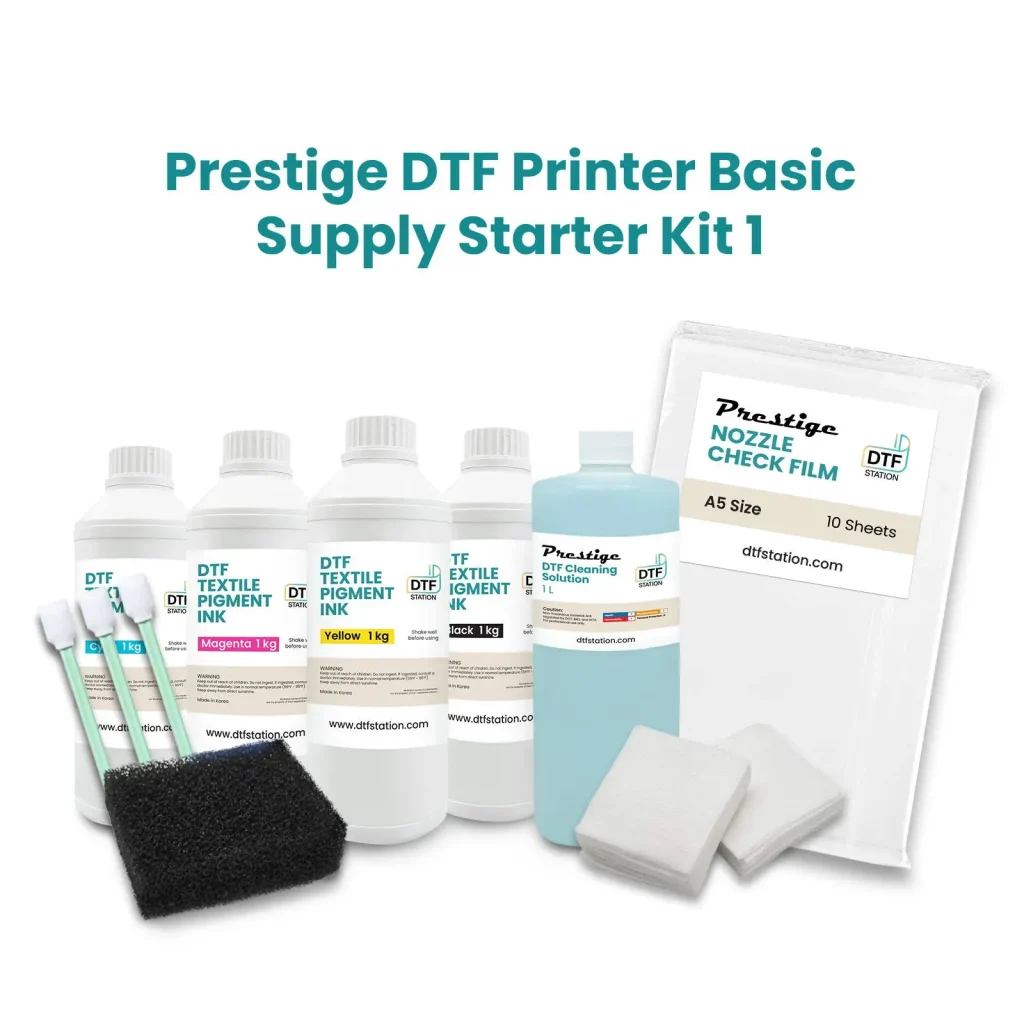
DTF supplies are essential for anyone looking to master the art of Direct to Film printing, a technique celebrated for its ability to render vibrant and detailed designs on a variety of fabrics. With the right DTF films, inks, and hot-melt powders in your arsenal, you can achieve outstanding results that will keep your customers coming back for more. Selecting high-quality print supplies is crucial, as each component plays a pivotal role in ensuring your designs not only look great but also stand the test of time. As the printing industry evolves, understanding the nuances of DTF printing will set you apart from competitors. This guide is here to help you navigate the complexities of DTF supplies, ensuring that your printing business thrives in a competitive market.
In the world of textile printing, utilizing materials like DTF films, high-performance inks, and effective adhesives can significantly enhance the quality of your output. The Direct to Film method stands out for its flexibility and the striking clarity it brings to printed apparel. By investing in premium print materials, such as innovative hot-melt powders, printing businesses can push the boundaries of design quality and durability. As you delve into the realm of print solutions, understanding the interdependence of these components will greatly influence your success in producing eye-catching prints. This overview will guide you in selecting the best options available, ensuring your products meet the evolving standards of today’s markets.
Importance of Quality DTF Inks
In the realm of DTF printing, the importance of choosing high-quality inks cannot be overstated. The quality of DTF inks directly impacts the vibrancy and longevity of your finished products. High-opacity inks are particularly recommended as they provide excellent color vibrancy on various fabric types. Additionally, utilizing water-based inks is becoming increasingly common, not just for their performance, but for their environmentally friendly nature. As businesses aim to reduce their carbon footprint, these inks offer a sustainable choice without sacrificing print quality.
When selecting DTF inks, it is also essential to consider compatibility with your printing equipment and films. Incompatibility can lead to printing issues such as smudging or poor adherence to the fabric, ultimately resulting in unsatisfactory outcomes for your customers. Therefore, always ensure to source inks from reputable suppliers who prioritize quality and reliability.
Selecting High-Quality DTF Films
The choice of DTF film is equally as critical as that of inks when it comes to achieving high-quality prints. DTF films come in different types, each serving specific needs depending on the desired finish and application method. For instance, clear films offer a different look compared to matte finishes, affecting the final aesthetic of the printed designs. Professionals in the business often recommend polyethylene films due to their excellent performance in heat transfer, ensuring that prints adhere correctly while maintaining clarity.
Investing in high-quality DTF films not only enhances the clarity of your images but also contributes to the overall durability of the print. Inferior films can lead to issues like fading or peeling, which can discourage repeat business. Therefore, going for films that have proven performance in the DTF printing field alongside positive reviews can help ensure that your output meets customer expectations.
The Role of Hot-Melt Powders in DTF Printing
Hot-melt powders are an integral part of the DTF printing process as they serve an essential function in binding inks to fabric. Selecting the right type of adhesive powder can significantly influence the success of your print transfers. High-quality hot-melt powders are designed to melt uniformly, ensuring that every part of the print adheres securely to the substrate without leaving unsightly residue.
Testing different powders is advisable, as certain types may yield better results depending on the fabrics and inks used. Finding a reliable powder that enhances your printing technology can lead to more vibrant, lasting prints that stand the test of multiple washes. Ultimately, investing time in selecting the best hot-melt powders can greatly optimize your DTF printing operations.
The Importance of Testing Components
In the fast-paced world of printing, testing and experimentation are crucial to achieving outstanding results. As DTF printing can involve various inks, films, and powders, the right combination tailored to your operational setup can make all the difference. By conducting small-scale tests, you can identify which combinations work best with your desired fabrics, ultimately leading to improved print quality and reduced material waste.
Maintaining records of these tests allows you to refine your procedures over time, enhancing consistency in print quality. This systematized approach not only boosts the efficiency of your operations but also contributes to a better understanding of your materials, turning potential challenges into solutions for maintaining high standards in your printing business.
Evaluating Supplier Reliability
Choosing reliable suppliers for your DTF printing materials is a vital step towards ensuring uninterrupted business operations. The quality of films, inks, and powders directly correlates with the reputation of your suppliers. It is essential to research and read reviews about suppliers’ products and customer service records, as these factors can significantly affect your printing outputs and business reliability.
Participating in industry events and networking through online forums can help you connect with other printing professionals. Recommendations from trusted colleagues can guide you towards established suppliers known for their quality materials. A dependable supplier not only provides the necessary products but also supports your business growth through reliable service.
Sustainability in DTF Printing
As sustainability becomes a cornerstone in many industries, DTF printing is not left behind. Eco-conscious consumers are increasingly seeking products made with environmentally friendly materials, including inks and films. Opting for sustainable supplies not only caters to consumer demand but also positions your brand as a responsible player in the market, setting you apart from competitors who may overlook this aspect.
Choosing eco-friendly DTF inks and recyclable films is becoming more accessible. By incorporating sustainable practices into your operations, you can maintain the quality of your prints while appealing to a growing demographic that values environmental responsibility. This move not only enhances your brand’s reputation but can also lead to increased customer loyalty.
Frequently Asked Questions
What are the key supplies needed for DTF printing?
The key supplies needed for DTF printing include high-quality DTF inks, DTF films, hot-melt powders, and compatible equipment. Each component plays a significant role in achieving vibrant and durable prints on various fabrics.
How do I choose the right DTF inks for my printing business?
When selecting DTF inks, prioritize quality for better vibrancy and durability. Opt for water-based inks known for being eco-friendly, and ensure they are compatible with your printer and DTF films to maintain consistency in your prints.
What types of DTF films should I consider for my projects?
DTF films come in clear and matte finishes. It’s recommended to use high-quality polyethylene films due to their excellent transfer rate and clarity, which directly affect the quality of the final prints on garments.
Why is hot-melt adhesive powder important in DTF printing?
Hot-melt adhesive powder is crucial in DTF printing as it securely binds the ink to the fabric during the curing phase. Choosing a high-quality powder ensures uniform melting and prevents excess residue, which can affect print quality.
How can experimenting with DTF supplies improve my printing results?
Experimenting with different combinations of DTF inks, films, and powders allows you to optimize your printing process. Conduct small tests to find the best mix, which can enhance print quality, reduce waste, and improve overall satisfaction.
What should I look for in a reliable DTF supplies supplier?
When searching for DTF supplies, prioritize suppliers known for their quality and service. Reading customer reviews, obtaining recommendations, and exploring industry publications can help you find trustworthy sources for your DTF inks, films, and powders.
| Key Component | Importance | Recommendations |
|---|---|---|
| Inks | Crucial for vibrancy and durability of prints | Use water-based, high-opacity inks for better results. |
| Films | Foundation for transferring designs to fabric | Choose high-quality polyethylene films for clarity and transfer rate. |
| Powders | Binds ink to fabric; affects final quality | Select hot-melt powders that melt uniformly; test different types. |
| Supplier Reliability | Critical for consistent quality and service | Find reputable suppliers through reviews and industry recommendations. |
| Sustainability | Appeals to eco-conscious customers | Opt for eco-friendly inks and recyclable materials. |
| Testing and Experimentation | Ensures the best combination of supplies | Conduct small-scale tests to refine your approach continuously. |
| Staying Updated | Keeps you informed on industry trends | Read trade journals and participate in forums regularly. |
Summary
DTF supplies are essential for achieving high-quality prints in your printing business. Understanding the right inks, films, powders, and suppliers can greatly enhance your printing results and customer satisfaction. By focusing on quality and sustainability, you cater to modern market demands while ensuring excellent performance. Experimenting and staying updated on industry trends will help you refine your processes, ensuring your business remains competitive and capable of meeting customer expectations. In essence, making informed choices regarding DTF supplies can lead to a rewarding printing enterprise.