
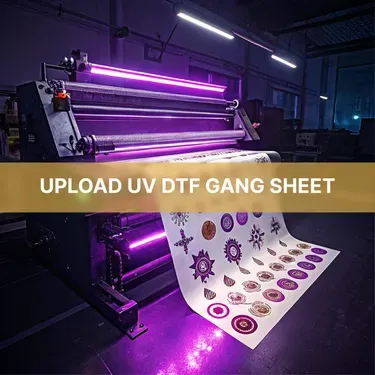
UV DTF Gangheet Printing is revolutionizing the printing industry, merging cutting-edge technology with high-quality outputs that challenge traditional printing methods. This innovative process offers numerous benefits, including rapid turnaround times and the ability to print intricate designs on a variety of materials. When comparing printing technologies, UV DTF stands out by providing customizable solutions that cater to today’s diverse market demands. With its eco-friendly aspects and efficient use of resources, UV DTF gangheet printing is not only shaping current printing trends but also aligning with the growing emphasis on sustainable practices. As you explore further, this guide will delve into the nuances of UV DTF printing and its advantages over conventional techniques.
The world of printing is undergoing a significant transformation, particularly with the rise of UV direct-to-film printing—a method renowned for its precision and versatility in application. Often contrasted against classic printing methods, this newer approach effectively addresses the limitations of traditional techniques by offering an array of benefits that enhance productivity and environmental sustainability. As businesses increasingly seek customizable printing solutions, the advantages of DTF printing become clear, showcasing its ability to deliver high-quality results efficiently. With its unique curing process and adaptability across various substrates, UV DTF printing stands as a powerful alternative in the evolving landscape of printing technology. In this discussion, we will unpack the differences between UV DTF and established printing methods, guiding you through the implications for modern-day businesses.
1. The Advantages of UV DTF Gangheet Printing
UV DTF gangheet printing stands out as a remarkable advancement in printing technology. One of its most significant advantages over traditional methods is the ability to produce vibrant, high-resolution images with exceptional detail. The curing process using ultraviolet light ensures that inks dry almost instantaneously, eliminating the waiting times required in traditional printing where inks take longer to set. This results in faster turnaround times for businesses, meeting the increasing consumer demand for speed and efficiency.
Additionally, UV DTF printing is renowned for its versatility. The technique can be utilized on a wide variety of substrates, including unconventional materials such as plastics and metals, enabling custom printing solutions that traditional methods may struggle to achieve. This adaptability not only broadens creative horizons for designers but also empowers businesses to cater to diverse customer preferences, making UV DTF a preferred choice in various industries.
Frequently Asked Questions
What are the main benefits of UV DTF gangheet printing compared to traditional printing methods?
UV DTF gangheet printing offers several advantages over traditional printing methods, including quicker turnaround times thanks to instant curing with UV light, superior print quality with sharper and more vibrant images, and the ability to print on a wider variety of substrates. This flexibility allows businesses to meet custom printing solutions efficiently without compromising on quality.
How does UV DTF gangheet printing support eco-friendly printing options?
UV DTF gangheet printing is considered more eco-friendly than some traditional printing methods because it utilizes fewer solvents and produces less waste. Additionally, its efficient printing process minimizes the need for excess materials, making it a more sustainable choice for businesses looking to adopt environmentally conscious practices.
Can UV DTF gangheet printing effectively replace traditional printing methods for bulk orders?
While UV DTF gangheet printing is ideal for small runs and custom projects due to its speed and quality, traditional printing methods still excel in producing large quantities at a lower cost per unit. Businesses must evaluate their specific needs to determine whether UV DTF or traditional printing methods better suit their bulk order requirements.
What types of substrates can be used with UV DTF gangheet printing?
UV DTF gangheet printing can print on a diverse range of substrates, including various fabrics, plastics, metals, and more. This versatility makes it a popular choice among businesses needing custom printing solutions for different materials that traditional methods may struggle with.
How does the cost of UV DTF gangheet printing compare to traditional printing methods?
The cost dynamics between UV DTF gangheet printing and traditional methods differ based on the scale of production. Initial investments in UV DTF printers may be higher, but they can lead to cost savings for smaller runs by reducing waste and setup times. In contrast, traditional methods remain more economical for large-scale production due to their lower setup costs.
What future trends should businesses consider regarding UV DTF gangheet and traditional printing methods?
As printing technology continues to evolve, businesses should note the increasing shift toward digital solutions like UV DTF gangheet printing. This trend highlights the demand for customization and rapid production, indicating that companies adopting UV DTF printing are likely to stay competitive by meeting changing consumer needs effectively.
| Key Points | UV DTF Gangheet Printing | Traditional Printing Methods | Comparison |
|---|---|---|---|
| Definition | Uses UV light to cure inks and print high-resolution images on various substrates. | Includes techniques like screen, offset, and digital printing, often with longer setup times. | Faster turn-around times vs. slower setup and production. |
| Quality | Produces vibrant, detailed prints with sharpness and extensive color range. | Capable for mass production but less versatile for intricate designs on unique materials. | Superior quality vs. limitations in detail and variety. |
| Cost Dynamics | Higher initial investment but economical for small runs; reduced waste. | Lower costs for bulk orders due to efficient setups; less efficient for short runs. | Better for small runs vs. cost-effective only in large quantities. |
| Environmental Impact | Uses fewer solvents, potentially more eco-friendly; energy consumption considerations. | Can produce more waste depending on inks and solvents used. | More sustainable option vs. varying ecological impact. |
| Industry Trends | Growing digital trend, enhancing customization and adaptability. | Still vital for large-scale production needs; less flexible for market changes. | Leading innovation vs. traditional resilience in bulk production. |
Summary
UV DTF gangheet printing represents a transformative shift in the printing industry. This modern printing technique leverages ultraviolet light to cure inks, enabling quick, high-resolution prints on diverse substrates. It outperforms traditional methods particularly in turnaround time, print quality, and versatility, making it an ideal choice for businesses looking to innovate and meet unique customer demands efficiently. While traditional printing methods remain relevant for large quantity productions, the adaptability and environmental benefits of UV DTF gangheet printing position it as a frontrunner in the evolving landscape of printing technology.