
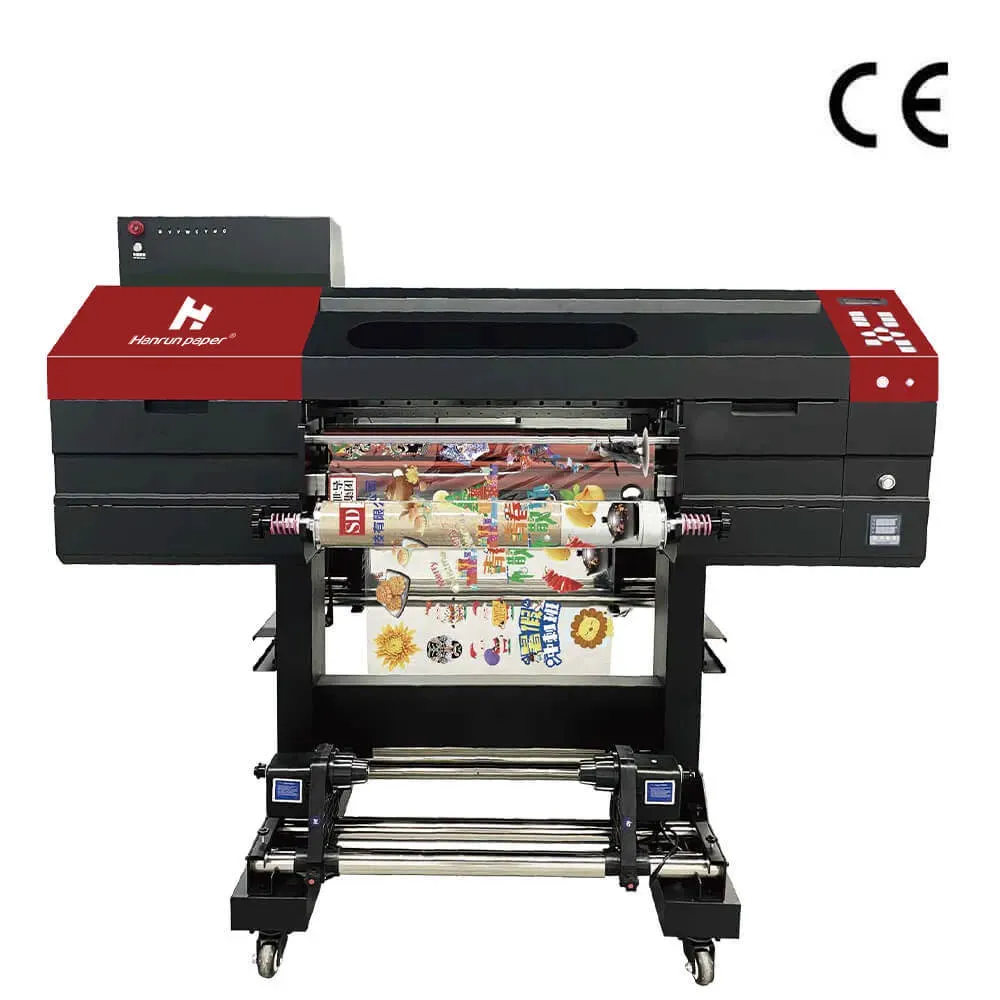
UV DTF printing is at the forefront of advanced printing technology, providing a unique solution for businesses aiming to maximize color quality in their output. This innovative method uses ultraviolet light to cure inks, distinguishing itself from traditional DTF methods by ensuring superior durability and vibrancy. As the demand for high-quality prints rises, companies are increasingly turning to this sustainable printing process that minimizes waste while delivering impressive color management. In this article, we explore how UV DTF printing is transforming the industry, showcasing its ability to produce stunning and long-lasting products across various substrates. With a focus on maximizing color quality and environmental responsibility, UV DTF printing stands out as a promising option in today’s competitive market.
When discussing UV DTF printing, it is essential to recognize it as a pioneering approach in print technology that combines Direct to Film methodology with UV curing mechanisms. This state-of-the-art printing technique offers a versatile platform suitable for a myriad of materials, ranging from fabric to metal, thereby broadening its appeal in various industries. By leveraging advanced machinery and innovative ink systems, this printing method not only enhances color accuracy but also significantly contributes to sustainable printing practices. As businesses increasingly prioritize eco-conscious operations, this method stands as a beacon for high-quality, environmentally friendly print solutions. Its remarkable ability to produce vibrant images with remarkable durability sets the stage for exciting developments in the realm of print design.
The Advantages of UV DTF Printing Technology
UV DTF printing technology provides numerous advantages that set it apart from traditional methods. The primary benefit lies in its ability to produce exceptionally vibrant colors that are visually striking. Utilizing advanced UV-curable inks, the prints not only demonstrate an impressive color spectrum but also benefit from remarkable durability. This means that the final products can withstand various environmental factors without fading, cracking, or peeling, making it ideal for both indoor and outdoor applications.
Moreover, UV DTF printing caters to a wide range of substrates, allowing businesses to experiment with different materials like textiles, plastics, and even delicate surfaces like glass. This versatility not only maximizes color quality but also opens up creative avenues for product design. As businesses seek to differentiate themselves in a competitive market, the advantages offered by UV DTF printing provide a significant edge, enabling unique branding opportunities while ensuring longevity in their printed items.
Color Management Strategies in UV DTF Printing
Effective color management is crucial in achieving high-quality results in UV DTF printing. Advanced technologies, such as spectrophotometers, enhance the color calibration process, ensuring that the colors produced are true to the original designs. This meticulous attention to detail allows for a consistent reproduction of complex images and gradients across varying substrates, which is essential for maintaining brand integrity.
Furthermore, successful color management not only improves print accuracy but also streamlines workflow efficiency. By utilizing professional color profiles, printers can minimize trial and error, cutting down on wasted materials and time. This efficiency translates to cost savings and higher productivity, making UV DTF printing an attractive solution for businesses aiming to optimize their production processes while delivering visually stunning products.
Sustainable Printing Practices with UV DTF
Sustainability is becoming a cornerstone of modern manufacturing, and UV DTF printing aligns perfectly with this growing demand. Unlike traditional printing methods that often involve harmful chemicals and generate significant waste, UV DTF printing minimizes its ecological footprint. By employing innovative, eco-friendly inks and reducing water usage, this method supports environmentally conscious practices without compromising on quality.
Moreover, as consumers increasingly prioritize sustainability, businesses adopting UV DTF printing can bolster their brand reputation. Companies can market their commitment to eco-friendly practices by showcasing their use of sustainable materials and processes. This not only appeals to a broader audience but also builds trust and loyalty among consumers who value environmental responsibility in their purchasing decisions.
Exploring Material Versatility in UV DTF Printing
The versatility of UV DTF printing allows it to thrive across different industries, from fashion to promotional materials. This method can effectively cater to diverse substrates including cotton, polyester, wood, and metal, showcasing its adaptability. This broad material compatibility is essential for businesses looking to personalize products or utilize innovative designs that stand out in a crowded market.
Moreover, the ability to print on varied materials without sacrificing color fidelity means that designers can experiment with new textures and finishes. This opens the door to creative possibilities, enabling the production of unique products that not only catch the eye but also cater to the specific needs of different consumer markets. Consequently, UV DTF printing fosters creativity while maintaining the highest standards of color quality.
Challenges and Solutions in Adopting UV DTF Printing
While UV DTF printing presents many advantages, businesses must be aware of the challenges involved in adopting this advanced printing technology. Initial setup costs for specialized equipment and inks can be significant, which may deter smaller businesses or startups from making the switch. Additionally, the learning curve associated with mastering the technology can pose difficulties for those new to UV printing.
However, as technology continues to advance, solutions are emerging to overcome these challenges. Newer models of UV DTF printers are designed to be more user-friendly and cost-effective, accommodating the needs of smaller operations. Furthermore, training and support resources are increasingly available, helping businesses transition smoothly and leverage the full potential of UV DTF printing without overwhelming initial investments.
Future Trends in UV DTF Printing Technology
As UV DTF printing continues to evolve, several trends are shaping its future landscape. One of the most notable is the increasing demand for high-quality prints that offer both durability and vibrant color. This demand is driving manufacturers to invest in research and development, leading to innovations in printing equipment and inks that further enhance the capabilities of UV DTF technology.
Additionally, the emphasis on sustainable solutions will likely influence future advancements. Printing companies that embrace eco-friendly materials and processes will not only attract environmentally conscious consumers but will also position themselves as leaders in responsible manufacturing. The convergence of innovation and sustainability promises a bright future for UV DTF printing, setting the stage for its adoption as a standard in modern printing operations.
Frequently Asked Questions
What is UV DTF printing and how does it work?
UV DTF printing, or UV Direct to Film printing, is a modern printing method that uses ultraviolet light to cure inks onto substrates instantly. This technology enables prints to have enhanced durability and vibrant colors by bonding the ink to a variety of materials, including textiles, plastics, and metals, making it suitable for diverse applications.
How does UV DTF printing maximize color quality in prints?
UV DTF printing maximizes color quality by utilizing advanced color management techniques and precision instruments like spectrophotometers. These technologies allow for accurate color matching and consistent gradient reproduction, ensuring that the final prints remain true to their digital designs and exhibit high visual appeal.
What are the environmental benefits of using UV DTF printing?
UV DTF printing provides various environmental benefits, including reduced use of harmful chemicals, minimal waste production, and the option to use eco-friendly inks. This makes UV DTF printing a more sustainable choice compared to traditional printing methods, meeting the growing demand for environmentally responsible practices in the printing industry.
In what ways can UV DTF printing adapt to different materials?
UV DTF printing is exceptionally versatile, allowing it to print on a wide range of substrates, including fabrics, wood, metal, and glass. This adaptability ensures that color fidelity and quality are maintained across various materials, making UV DTF a popular choice for industries like apparel, promotional products, and signage.
What challenges might businesses face when adopting UV DTF printing technology?
While UV DTF printing offers numerous benefits, businesses may encounter challenges such as initial equipment costs and the need for specialized training. However, advancements in technology are making UV DTF printing more accessible, with new models designed for smaller businesses to help ease the transition into this advanced printing method.
How is UV DTF printing shaping trends in the printing industry?
UV DTF printing is influencing trends in the printing industry by meeting the increasing demand for high-quality, durable prints and sustainable practices. As businesses seek innovative solutions to differentiate their products, UV DTF continues to emerge as a preferred option, driving growth and innovation in the market.
| Key Aspect | Details |
|---|---|
| Introduction to UV DTF Printing | UV DTF printing uses ultraviolet light to cure inks, ensuring durability and vibrancy. It stands out from traditional DTF methods by allowing printing on various substrates. |
| Key Features | Includes advanced technology for curing inks, superior color management, and eco-friendly attributes. |
| Maximizing Color Quality | Involves precision technology, adaptable materials, and overcoming initial setup challenges to maintain high print quality. |
| Trends Influencing UV DTF Printing | Increasing demand for high-quality prints, focus on sustainability, and innovation in printing materials are shaping the future of this technology. |
Summary
UV DTF printing is revolutionizing the printing industry by providing outstanding color quality and versatility. This advanced method utilizes UV light to cure inks, offering superior durability and vibrant colors across various substrates. The technology not only enhances color management, but also embraces environmentally friendly practices, making it a preferred choice for businesses focused on sustainability. As trends evolve and demand increases, UV DTF printing is quickly becoming a standard in the industry, promising innovative solutions that cater to the needs of modern consumers.