
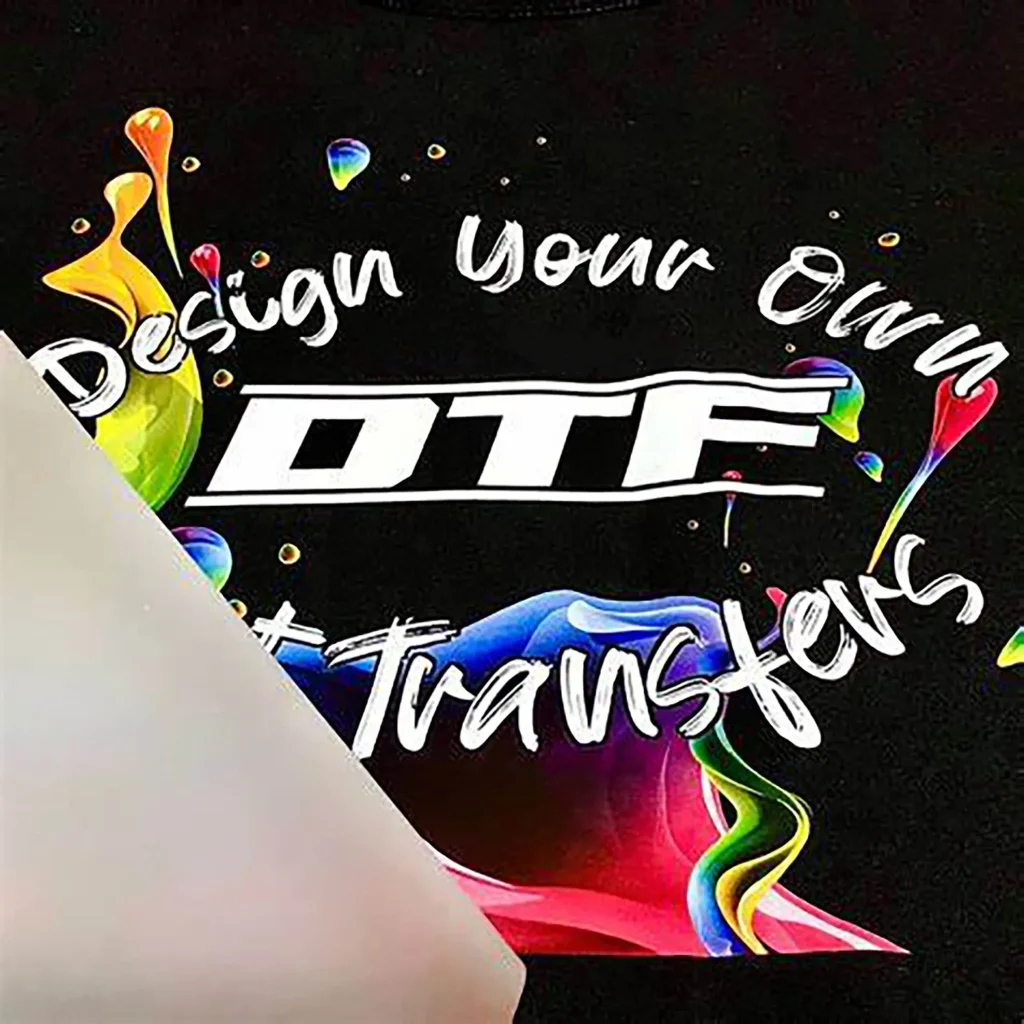
DTF Transfers, or Direct-to-Film Transfers, are an innovative solution in the world of custom apparel printing that has transformed garment decoration technology. This modern method allows for the application of stunning, high-resolution designs onto various fabrics, making it a versatile choice for businesses looking to stand out. Unlike traditional printing techniques, DTF printing boasts significant advantages in both speed and quality, allowing for quick turnarounds without compromising on detail. As we delve into the intricacies of the DTF transfer process, you will discover its numerous benefits and practical applications that make it the go-to option for many within the apparel industry. Embrace the revolution in garment printing with DTF Transfers and elevate your designs to new heights.
Sometimes referred to as Direct-to-Film printing, the DTF transfer method has gained significant traction in the custom apparel industry due to its remarkable efficiency and adaptability. This cutting-edge technology enables the creation of intricate designs with vibrant colors, catering to a broad spectrum of printing needs. As businesses explore garment decoration innovations, the DTF printing process stands out for its capability to transfer art onto different textile materials seamlessly. The rising popularity of this approach reflects the increasing demand for personalized and eye-catching apparel solutions. By understanding the fundamentals of DTF printing, brands can effectively meet contemporary consumer expectations while producing high-quality garments.
Introduction to DTF Transfers: The Revolution in Textile Printing
Direct-to-Film (DTF) transfers have emerged as a transformative force in the realm of textile printing, paving the way for a new level of creativity and efficiency in custom apparel creation. Unlike traditional methods such as Direct-to-Garment (DTG), which limit material options, DTF printing offers unparalleled versatility. It allows for printing on a wide variety of fabrics, including cotton, polyester, and mixed materials, making it ideal for everything from high-end fashion items to promotional clothing. With the ability to produce vibrant, photo-quality images, DTF transfers cater to the growing demand for personalized and custom products in today’s competitive market.
Moreover, the advantages of DTF transfers extend beyond just vibrancy and versatility. This printing method improves productivity, enabling businesses to handle multiple orders simultaneously without sacrificing quality. Often, the setup time is significantly reduced compared to traditional processes, allowing for a more streamlined workflow. As a result, brands can respond more quickly to customer orders and changing fashion trends, creating an agile business model that is crucial in the fast-paced world of apparel manufacturing.
Understanding DTF Printing Process: A Step-by-Step Guide
The DTF printing process begins with the creation of a high-resolution design that captures the art and message intended for the final product. It is essential to utilize graphic design software that optimizes colors and details to ensure that the print quality is achieved accurately. After the design has been finalized, it is printed onto a special transfer film using a DTF-specific printer. The choice of inks is crucial, as using the right DTF inks ensures that colors will be vibrant and durable after application.
After the film is printed, an adhesive powder is applied to the wet ink, which is then cured through a heat process. This step solidifies the transfer’s resilience, enhancing its durability once applied to fabric. Lastly, the film is pressed onto the desired garment under heat, which bonds the ink to the textile, creating a long-lasting design. Observing proper heat settings and application techniques is vital to ensure that the final product not only looks professional but also withstands wear and tear over time.
Key Benefits of DTF Transfers: Why Choose DTF for Your Apparel Business?
DTF transfers offer significant advantages that make them a preferred choice for many apparel businesses. One of the standout benefits is their adaptability; DTF can seamlessly print on an extensive range of fabrics, from traditional cotton to high-performance polyester blends. This versatility allows entrepreneurs to cater to various customer preferences—delivering everything from everyday wear to specialized sports and promotional garments with superior quality and detail.
In addition to material flexibility, DTF transfers stand out for their impressive durability. The prints maintain their integrity and brilliance through numerous washes, addressing consumers’ expectations for quality in their clothing. This makes DTF not only cost-effective for manufacturers but also boosts client satisfaction and loyalty, as customers appreciate products that look great and last long. Moreover, the efficiency of DTF printing aids in reducing overall production costs, making it an attractive option for emerging brands within the custom apparel industry.
Custom Apparel Printing with DTF: Meeting Customer Demands
With the rise in consumer interest for personalized fashion, DTF transfers provide a business solution for meeting the increasing demand for custom apparel. Businesses can easily create unique graphics or logos that resonate with their audience’s identity and values. Whether launching a new clothing line or offering individual customization services, DTF printing empowers brands to deliver standout products that connect with consumers on a personal level.
Furthermore, DTF printing is increasingly used for limited edition collections or collaborations, where superior print quality can help brands establish a niche market presence. Artists and designers can use DTF technology to translate their creative visions into reality, making it a powerful tool for both small startups and established brands aiming to expand their product offerings without substantial investment in new machinery.
For promotional merchandise, DTF transfers deliver exceptional results on everything from custom t-shirts to tote bags, ensuring that brands can effectively showcase their imagery in a way that captures consumer attention. As businesses turn to DTF for customized merchandise, they’re able to create memorable experiences that promote brand loyalty and enhance visibility.
The Future of Garment Decoration Technology: What’s Next for DTF?
As garment decoration technology continues to evolve, DTF printing is poised to remain at the forefront of textile innovation. This technique not only meets the needs of modern fashion but also aligns with sustainability goals as it typically uses less ink and generates less waste compared to traditional methods. Manufacturers are increasingly exploring eco-friendly inks and practices, which can enhance the marketability of DTF products to environmentally conscious consumers.
The potential for advancements in DTF technology, such as improved inks and more efficient machines, suggests a bright future for this printing method. Innovations may lead to even more vibrant prints, quicker production times, and broader fabric compatibility. As the industry moves toward smarter technologies and analytics, DTF printing will likely evolve, providing businesses with even greater capabilities to meet the rapidly changing demands of the consumer marketplace.
Best Practices for Successful DTF Transfers: Maximizing Quality and Efficiency
Successful DTF printing hinges on understanding and implementing best practices to maximize quality and efficiency. Regular maintenance of printers and equipment is crucial for achieving consistent output. Operators should adhere to recommended cleaning schedules and conduct routine inspections to avoid disruptions and ensure that the printing process remains smooth and efficient.
In addition to maintenance, testing new materials and designs is essential to identify the best combinations for DTF printing. Businesses should conduct sample runs before full production to ensure that the results meet their quality standards. Keeping abreast of industry trends and participating in workshops can also enhance operators’ skills and help brands leverage the latest advancements, ultimately leading to better customer satisfaction and stronger market presence.
Frequently Asked Questions
What are DTF transfers in custom apparel printing?
DTF transfers, or Direct-to-Film transfers, are a modern printing method that utilizes special film to transfer vibrant designs onto various textile materials, making them ideal for custom apparel printing. This technology offers high-resolution designs and is compatible with a broad range of fabrics, from cotton to polyester.
How does the DTF printing process work?
The DTF printing process involves several steps: first, a design is created and printed onto a specialized film; then, an adhesive powder is applied over the wet ink. The adhesive is activated with heat, allowing for a strong bond to various fabrics when pressed. This method ensures detailed, colorful prints with durability.
What benefits do DTF transfers provide over traditional garment decoration technology?
DTF transfers offer several advantages over traditional garment decoration technologies, including greater versatility in material applications, faster production times, and exceptional wash durability. This method also requires lower setup costs, making it a cost-effective choice for custom apparel businesses.
Can DTF printing be used for promotional merchandise?
Yes, DTF printing is highly effective for creating promotional merchandise such as t-shirts, hoodies, and tote bags. The high-quality prints produced with DTF technology ensure that promotional items attract attention while maintaining brand integrity and design clarity.
What materials can I use DTF transfers on?
DTF transfers can be applied to a wide range of materials, including cotton, polyester, and blended fabrics. This versatility allows for a broad spectrum of custom apparel options, making DTF printing a preferred choice for many garment decorators.
What are the best practices for achieving optimal results with DTF transfers?
To maximize the effectiveness of DTF transfers, engage in quality control by testing different materials, regularly maintain your printing equipment, and stay informed on industry trends and updates. Ensuring high-resolution designs and following the correct heat settings are also crucial for successful DTF printing.
| Key Aspect | Details |
|---|---|
| Understanding DTF Transfers | DTF transfers offer a modern solution for achieving vibrant designs on various fabrics, enhancing production efficiency and versatility. |
| What is DTF Printing? | A method of printing designs on a special film that is then transferred to fabric using heat and pressure. |
| Key Benefits | 1. Versatility: Works on various substrates; 2. Fast Production: Rapid cycles allow multiple designs; 3. Quality: Durable prints that resist fading; 4. Cost-effective: Lower setup costs enhance budget management. |
| Practical Applications | Ideal for custom apparel, promotional merchandise, and home decor items, allowing businesses to meet consumer demands. |
| DTF Printing Process | Involves design creation, film printing, applying adhesive powder, heat settings, and application to fabric. |
| Best Practices | Ensure quality control, maintain equipment, and stay updated on industry trends to optimize the DTF printing process. |
Summary
DTF Transfers are revolutionizing the textile printing industry by providing a versatile, efficient, and cost-effective method for applying vibrant designs to various fabric materials. This comprehensive guide outlines the essential aspects of DTF printing, from its innovative process and numerous applications to its critical benefits such as durability and quality. As businesses adapt to consumer demands for custom apparel and promotional merchandise, harnessing the advantages of DTF transfers can significantly elevate your printing business and position you favorably within the market.