
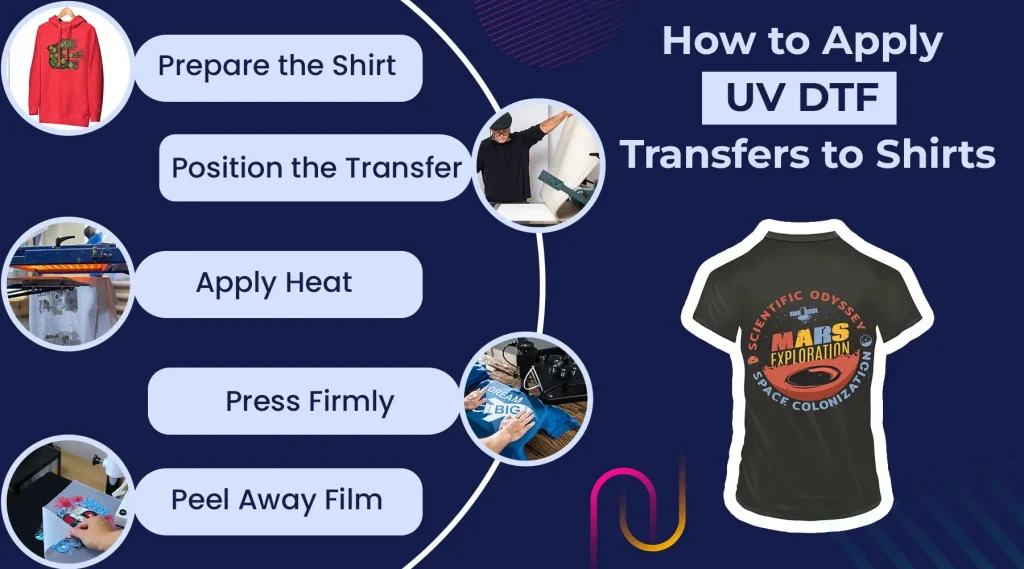
UV DTF Transfer opens a brighter door for garment decoration by using UV-curable inks printed directly onto a transfer film. This approach often delivers enhanced UV DTF transfer brightness and contrasts, contributing to stronger color saturation when comparing DTF transfer vs traditional methods. Designed for versatility across fabrics, it aligns with UV printing on fabrics and can simplify production workflows. Achieving vibrant color saturation in DTF prints depends on accurate color management, white underbases where needed, and careful curing. For teams weighing garment transfer techniques, UV DTF Transfer offers a compelling option that balances brightness, durability, and flexibility.
Alternatively, think of a film-based, UV-curing ink process where images are created on a carrier sheet before being pressed onto fabrics. This method shares core goals with other garment decoration techniques, yet it operates differently from standard direct-to-garment and screen-printing approaches in its curing and transfer mechanics. Advocates point to crisp edges, vibrant midtones, and reliable fidelity on a broader range of textiles thanks to fast UV curing and adhesion to heat-activated film. When evaluating options, designers weigh factors such as substrate compatibility, color fastness under washes, production speed, and cost per unit, rather than focusing on a single metric. In practice, many teams blend film-based UV ink transfers with traditional methods to achieve reliable, vibrant results across product lines.
UV DTF Transfer Brightness and Color Impact
UV DTF transfer brightness is one of the most cited advantages when choosing inks and workflow for vibrant designs. By using UV-curable inks, the color layer cures instantly on the transfer film, enabling a dense, highly saturated result that tends to pop on many fabrics. This immediate cure locks in brightness and edge clarity, which helps designs remain bold after transfer and washing. For teams focused on high-impact visuals, the brightness of UV DTF can be a decisive factor in overall print quality.
However, brightness is not the sole determinant of a successful print. The final look depends on the entire pipeline—from the white underbase strategy to fabric color and how well color management is implemented. Even with UV DTF transfer brightness, overprinting or mismanaged ICC profiles can dull midtones on certain substrates. Practical brightness consistency often requires careful calibration and testing across representative garment colors and textures.
DTF Transfer vs Traditional Methods: A Side-by-Side Review for Color Saturation and Edge Definition
DTF transfer vs traditional methods presents a clear set of trade-offs. DTF relies on pigment inks and a white underbase to achieve visibility on dark fabrics, whereas traditional methods like screen printing, HTV, and sublimation use different mechanisms to render color. This fundamental difference influences color saturation, especially on non-white or dark substrates, where DTF can maintain boldness with a single pass when properly cured.
Edge definition and the reproduction of fine gradients are often where UV DTF comparisons become most noticeable. UV DTF tends to deliver sharper edges and smoother gradients on many fabrics because the ink is cured in place on the film and then transferred, reducing ink spread. That said, color saturation in DTF prints still requires solid color management, precise separation, and a robust white underbase to prevent color washing on certain material blends.
UV Printing on Fabrics: Substrates, Compatibility, and Durability
UV printing on fabrics opens a wide canvas of substrate choices, from cotton blends to poly-coated substrates. The interaction between the UV-curable ink and fabric fibers heavily influences perceived brightness and color fidelity. In practice, substrates that accept ink well—often those with smooth or tightly woven surfaces—tend to show stronger brightness retention and more even saturation after transfer.
Durability on textiles is a function of multiple factors beyond the ink chemistry. The transfer film, adhesion chemistry, heat and time during pressing, and the fabric weave all contribute to wash resistance and long-term color stability. On some textiles, UV-cured inks can deliver excellent durability, but achieving this requires proper curing, optimized powder adhesion, and compatible substrates to prevent peeling or cracking over time.
Achieving Maximum Color Saturation in DTF Prints: Techniques and Best Practices
Color saturation in DTF prints hinges on deliberate color management and careful ink application. Key steps include using ICC profiles tailored to your inks and fabrics, ensuring a strong white underbase on dark garments, and maintaining consistent ink laydown. When color management is aligned with the substrate, you can maximize saturation and midtone depth, making images appear more luminous after transfer.
Beyond profiling, practical tips matter: selecting high-quality transfer films, controlling curing temperatures, and verifying powder adhesion can all influence color saturation in DTF prints. Pre-treating fabrics as recommended and conducting small batch tests before larger runs helps confirm brightness and durability across material variations, ensuring that saturated colors translate well from film to fabric.
Garment Transfer Techniques: Choosing Between UV DTF, HTV, Sublimation, and Screen Printing
garment transfer techniques cover a broad spectrum, from UV DTF to HTV, sublimation, and screen printing. Each method offers distinct advantages depending on design complexity, color needs, and fabric types. For complex, color-rich designs or fabrics prone to color shifts, UV DTF can deliver vibrant results with flexible workflows that accommodate short runs and customization.
In practice, the best approach is often a blended strategy. For example, sublimation excels on polyester-heavy items but loses vibrancy on cotton blends. Screen printing offers efficiency for high-volume, simple color designs, while HTV provides versatility for small runs and specialty effects. Understanding the garment transfer techniques at play helps teams select the method that best balances brightness, durability, and cost for each product line.
Speed, Cost, and Workflow: Leveraging UV DTF Transfer in Mixed Fabric Runs
Production speed and cost considerations are central to choosing a transfer method for mixed fabric runs. UV DTF transfer can offer faster turnaround due to rapid curing and a streamlined post-print process, which can translate into lower unit costs for custom or small-to-medium runs. When designed for complexity and color density, UV DTF often justifies its expense through reduced setup time and greater flexibility.
Workflow optimization matters as much as raw speed. Calibrating color management, maintaining machine settings, and selecting compatible films and adhesives influence both brightness and durability across fabrics. For teams managing varied fabrics—cotton, blends, and polyester—careful planning, sample testing, and ongoing process control ensure consistent results, helping UV DTF transfers meet brightness and color saturation expectations while keeping production efficient.
Frequently Asked Questions
What is UV DTF transfer brightness and why does it matter for UV printing on fabrics?
UV DTF transfer brightness refers to the vividness and perceived luminance achieved when UV-curable inks are printed on a transfer film and heat-pressed onto fabric. Because UV inks cure instantly, they can lay down dense color, producing bright midtones and sharp blacks, especially on dark garments. Brightness is influenced by ink density, white underbases, ICC color management, and substrate, so optimizing these factors yields more vibrant results.
DTF transfer vs traditional methods: how do color saturation and edge sharpness compare?
UV DTF transfer can offer higher brightness and solid color saturation due to dense UV inks and a white underbase, with crisp edges from precise print alignment. Traditional methods like screen printing, HTV, and sublimation excel in reliability and cost for high-volume runs, but color saturation and edge definition can vary with ink type, substrate, and curing, making UV DTF a strong option for complex, color-rich designs.
Can UV printing on fabrics deliver durable, vibrant colors across different garment colors?
Yes, UV printing on fabrics can produce vibrant colors on many garment colors, including dark fabrics, thanks to UV-curable inks and effective underbases. Durability depends on the adhesive, curing, transfer film, and fabric; always test color fastness and adhesion on target fabrics to confirm long-term performance.
What factors affect color saturation in DTF prints and how can you optimize saturation in UV DTF transfer?
Key factors include white underbase strength, ink density, ICC profiles, color separations, transfer film quality, and fabric type. To optimize saturation, ensure accurate color management, use an appropriate underbase, select compatible transfer media, and verify results with test prints on representative fabrics.
Garment transfer techniques: when should you choose UV DTF transfer over methods like screen printing or HTV?
Choose UV DTF transfer for complex, color-rich designs, accurate color reproduction on a range of fabrics (especially dark or pigmented garments), and faster setup for small-to-medium runs. For simple, high-volume designs on consistent substrates, traditional methods like screen printing may be more cost-effective; sublimation works best on polyester, and HTV is useful for small runs.
What workflow steps maximize UV DTF transfer brightness and color saturation on various fabrics?
Key steps: calibrate color management with ICC profiles for your inks and fabric, ensure a robust white underbase when needed, use high-quality transfer films and powders, optimize curing temperature and time, apply appropriate fabric pre-treatment, and run tests on representative fabrics before production.
| Aspect | Key Points |
|---|---|
| UV DTF Transfer Benefits |
|
| Traditional Methods and Strengths |
|
| DTF Transfer vs Traditional Methods: Side-by-Side |
|
| Workflow & Material Compatibility |
|
| Color Brightness, Saturation, and Perception |
|
| Durability & Washability |
|
| Production Speed & Cost |
|
| Maximizing Brightness: Practical Tips |
|
| Choosing the Right Method |
|
| Overall Takeaway |
|
Summary
UV DTF Transfer offers a clear path to bright, durable prints across a broad range of fabrics. This descriptive analysis highlights how UV DTF Transfer delivers high color brightness and sharp detail through instantly cured UV inks, while traditional methods excel in high-volume production, substrate versatility, and established workflows. Color brightness and saturation depend on color management, underbase strategy, and substrate, with UV DTF Transfer often achieving vivid midtones and robust blacks when properly executed. A blended approach—using UV DTF Transfer for complex, color-rich designs and traditional methods for simple, high-volume runs—can provide the best balance of visual impact, durability, and cost. When selecting a method, consider fabric type, garment color, order quantity, budget, and desired lifespan to determine the optimal approach. In practice, designers and printers can optimize outcomes by testing side-by-side and tailoring the workflow to target textiles, ensuring consistent results that meet brand standards.