
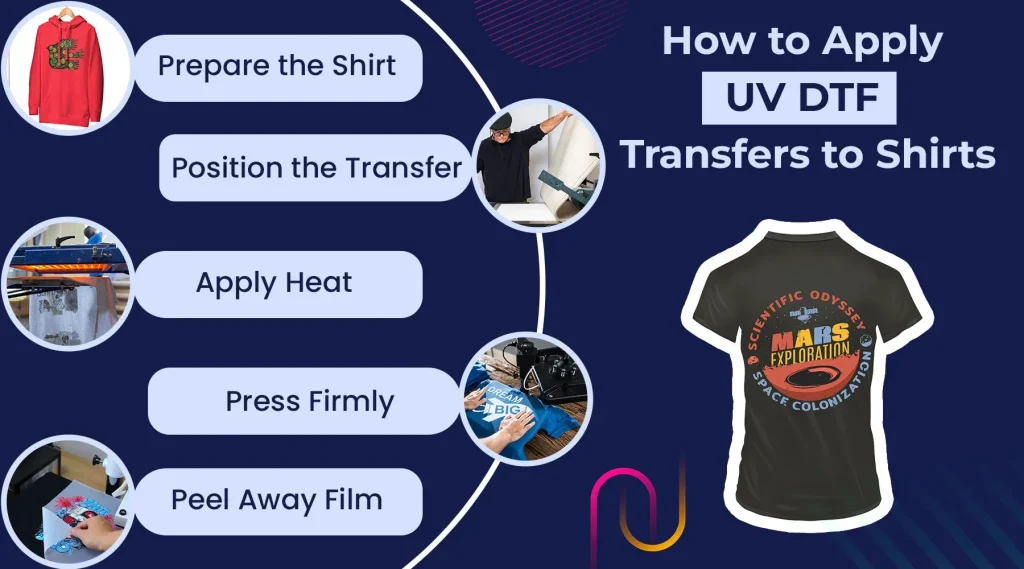
UV DTF Transfer combines the punch of DTF with UV-curable inks to deliver fast, vibrant designs for apparel. In discussions about DTG vs UV DTF, it offers strong color on diverse fabrics and reliable adhesion. This approach also invites a careful look at the total cost of ownership, from equipment to ongoing materials. Durability and wash performance depend on ink chemistry, film adhesion, and fabric type, so thorough testing is essential. With the right testing and setup, this transfer option can be a compelling choice for speed, versatility, and color reach, supporting long-term growth and reliable branding across markets worldwide.
An alternative framing for this production method is a UV-curable ink transfer that blends DTF concepts with rapid ultraviolet curing to set the image on fabric. It relies on a coated transfer film and a curing step to fix designs onto a range of textiles, including dark materials. For businesses evaluating options, the trade-offs involve upfront equipment needs, ongoing consumables, and the ability to turn orders quickly. When comparing options, operators often weigh color fidelity, fabric compatibility, and maintenance requirements rather than a single metric. As with any digital textile print method, testing across your target garments and care routines is essential to determine value.
UV DTF Transfer: Color Punch, Substrates, and Quick Cure
UV DTF Transfer delivers vivid color punch on a broad range of fabrics. By combining UV-curable inks with DTF transfer films, you can achieve saturated hues on light and dark fabrics, including blends and denim. This aligns with DTG vs UV DTF discussions, as the color capabilities are often sharper than traditional DTG on dark garments. When planning, consider substrate versatility, underbase needs, and pigment performance on dark fabrics.
The cure mechanism is key: UV curing can speed production by reducing dwell times and post-curing steps, depending on the equipment. However, upfront you invest in a UV curing unit or LED system and film compatible with UV inks. As you compare with DTF transfer cost, the total cost of ownership includes the UV unit, film, and ink consumption, but per-unit throughput can improve with calibrated curing.
DTG vs UV DTF: Color Quality, Hand Feel, and Market Fit
DTG excels at photo-realistic detail and smooth gradients on light fabrics, with a soft hand that many customers expect. UV DTF can deliver punchier color and robust adhesion across fabric types, which can be advantageous for fashion items and multi-fabric catalogs. This is a core point in DTG vs DTF cost comparison when evaluating unit economics and market expectations.
From a workflow perspective, the decision often hinges on texture and durability preferences. DTG prints can feel lighter on the garment if not pre-treated, while UV DTF transfers may feel slightly stiffer depending on film and adhesive choices. Consider the broader conversation of DTF printing pros and cons in your business planning.
DTF Transfer Cost: An ROI-Focused Breakdown
DTF transfer cost includes not just the printer, but consumables like inks, powders (where applicable), coatings, transfer films, and adhesives. In UV DTF, ink costs are higher per milliliter and films can be more expensive, especially with specialized coated films for UV curing. Weigh these factors when modeling per-unit costs and ROI against DTG.
A practical ROI approach is to model typical orders (e.g., 24–100 shirts) and compare margins with your existing DTG setup. Short-run profitability can favor UV DTF if curing times and throughput reduce bottlenecks, but for large volumes, the economies of scale may favor DTG or other workflows due to film and consumable consumption patterns.
UV DTF Printing Durability: What to Expect Across Fabrics
Durability in UV DTF printing depends on ink chemistry, film adhesion, and proper curing. Washfastness varies by fabric and care conditions, so it’s essential to conduct wash tests on target fabrics, particularly blends and synthetics. The phrase UV DTF printing durability captures the ongoing testing needed to confirm long-term performance.
To minimize variability, standardize cure times and intensities, optimize film adhesion, and consider post-curing steps where appropriate. Regular maintenance of UV curing equipment is also a factor in delivering consistent durability across batches.
DTG vs DTF Cost Comparison for Short Runs and Large Orders
When comparing cost trajectories, short runs can benefit from UV DTF due to faster curing and lower per-item labor in some setups, while long runs may reveal higher consumable costs. This aligns with the topic of DTG vs DTF cost comparison, where unit economics shift with volume and fabric mix.
Be sure to track metrics like color accuracy, cure time, defect rate, and wash durability to know when UV DTF Transfer delivers true value. The cost comparison should include not just per-unit ink costs but total ownership, including curing equipment, maintenance, and downtime.
Practical Workflow Tips to Leverage UV DTF Transfer in Your Shop
Start with testing on your most common fabrics and document color-management profiles. A strong plan for DTG vs UV DTF considerations includes mapping out fabric types, underbase needs, and how cure times interact with throughput. This touches on DTF printing pros and cons in actionable terms.
Invest in color calibration, film testing, and maintenance planning for UV curing units. Track ROI by monitoring throughput, defect rates, and customer satisfaction across different garments, fabrics, and orders. As you evaluate DTF transfer cost and durability, you’ll build a practical baseline for decision-making.
Frequently Asked Questions
How does UV DTF Transfer compare to DTG in terms of color vibrancy and fabric compatibility?
UV DTF Transfer delivers bright, punchy colors with a broad color gamut thanks to UV-curable inks. It supports a wide range of fabrics (cotton, blends, some synthetics) and can perform well on dark fabrics with proper underbase and adhesion. In the DTG vs UV DTF comparison, UV DTF often edges out on color punch and fabric versatility, while DTG can excel in soft hand and detailed gradients on lighter fabrics.
What are the main pros and cons of UV DTF Transfer vs DTF printing?
Pros include vivid color, broad fabric compatibility, faster cure times, and potentially lower post-processing in some workflows. Cons include higher upfront equipment costs, ongoing consumable costs for UV inks and films, a learning curve to optimize curing and heat-press parameters, and durability outcomes that depend on workflow and fabric. This reflects the common DTG printing pros and cons when evaluating the method.
Is the cost per shirt higher with UV DTF Transfer, and how does it compare in a DTG vs DTF cost comparison?
Per‑shirt cost depends on order size, fabric mix, and process efficiency. UV DTF Transfer can be competitive for short runs due to faster curing and throughput, but UV inks, films, and curing energy add to ongoing costs. In a DTG vs DTF cost comparison, DTG often wins on very large runs due to economies of scale and cheaper white ink usage for dark fabrics, while UV DTF can be advantageous for mixed small-to-mid runs.
How durable is UV DTF printing on typical fabrics, and what factors influence UV DTF printing durability?
Durability and washfastness depend on ink formulation, film adhesion, fabric type, and curing consistency. UV DTF printing can be highly durable when properly cured and adhered, but results vary; always perform wash tests on target fabrics and designs to validate durability for your product line.
What equipment and ongoing costs should I expect with UV DTF Transfer, and how do they impact ROI compared to DTG?
Expect to invest in a UV curing unit (or LED system) plus a UV DTF printer, compatible films, and software. Ongoing costs include UV inks, transfer films, energy, maintenance, and consumables. These factors affect ROI and should be included in a per‑unit cost model (DTF transfer cost) when comparing to DTG.
Can UV DTF Transfer handle dark fabrics effectively, and how does it compare to DTG on dark fabrics?
Yes, UV DTF Transfer can deliver strong color punch on dark fabrics when paired with the right film, adhesive, and curing settings. DTG on dark fabrics often relies on underbase and can feel heavier or require more ramp-up time; UV DTF may offer faster cure and consistent color, though durability and hand feel depend on the workflow and fabrics used. In a DTG vs UV DTF context, each method has its strengths for dark garments.
| Aspect | Key Points | Notes |
|---|---|---|
| What is UV DTF Transfer |
|
Compared to DTG, UV DTF adds a curing stage and uses UV inks and films; equipment stack typically includes a curing unit and coated films. |
| Key characteristics |
|
Testing on target fabrics is essential to confirm durability and color performance. |
| Pros of UV DTF Transfer |
|
Best when color punch and speed matter for mixed fabrics or shorter runs. |
| Cons of UV DTF Transfer |
|
Plan for calibration and testing to establish reliable processes. |
| Cost Considerations & ROI |
|
Model ROI with typical order ranges and compare to your DTG baseline. |
| DTG vs UV DTF Transfer: Quick Comparison |
|
Choice depends on product mix, fabrics, volumes, and willingness to manage upfront/ongoing costs. |
| Practical Tips for Getting Started |
|
Dedicated testing and process control drive ROI. |
| Common Questions |
|
Seek real-world validation on durability for your fabrics and designs. |
Summary
UV DTF Transfer offers a compelling alternative to classic DTG printing, especially for shops seeking vibrant color on a wide range of fabrics and potentially faster cure times. The method combines DTF-style printing with UV-curable inks and curing, delivering punchy colors on light and dark textiles while offering different equipment and cost dynamics. When choosing between UV DTF Transfer and DTG, consider your product mix, target fabrics, order volumes, and total cost of ownership, including equipment, consumables, and maintenance. With careful testing, color management, and process optimization, UV DTF Transfer can improve throughput and color consistency for short-to-mid-length runs, while DTG may remain more cost-effective for large-volume, soft-hand prints on certain fabrics. Ongoing quality control and customer feedback will help sustain long-term success.