
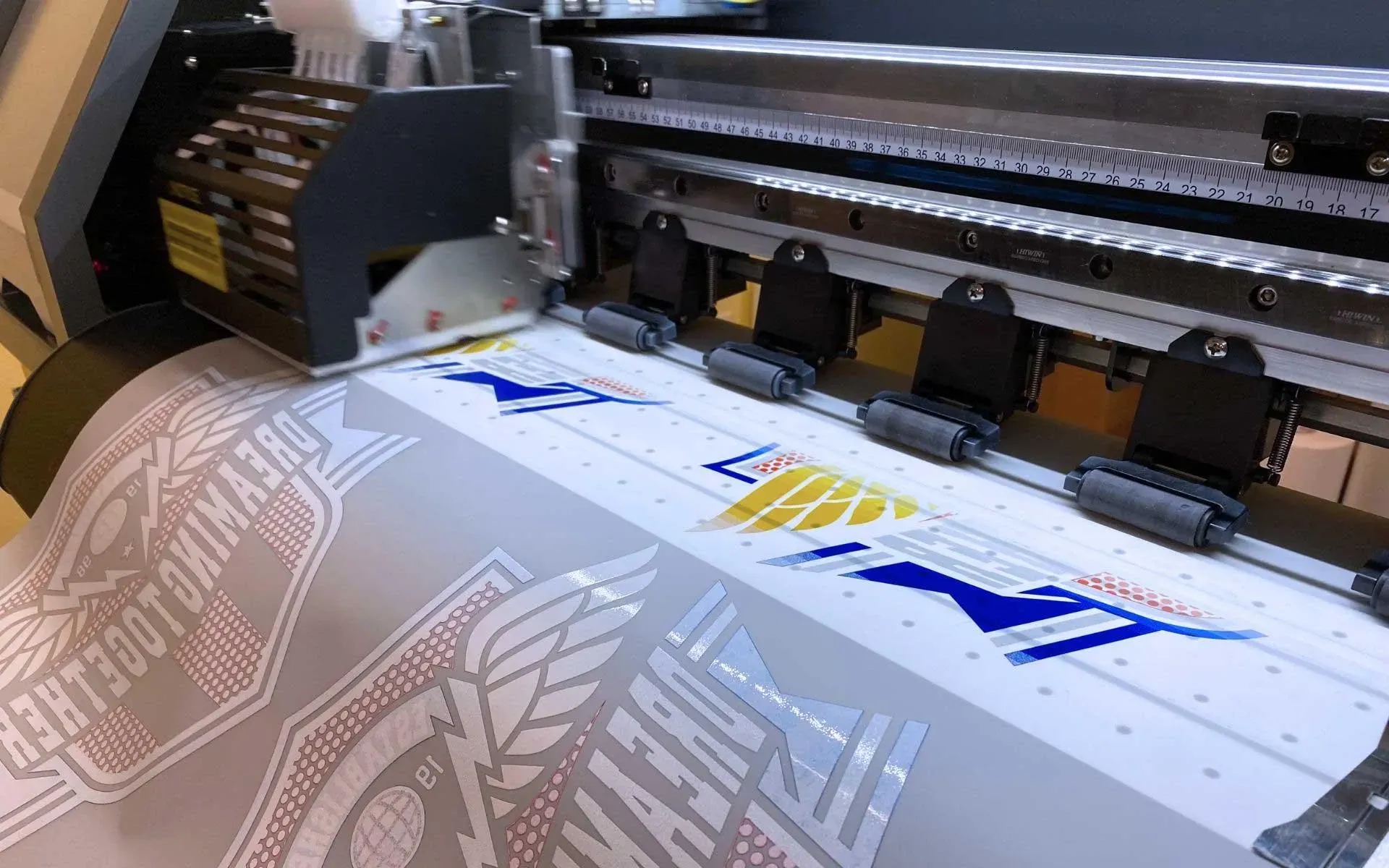
Direct-to-Film Printing is reshaping how brands and small shops bring artwork to apparel, offering vibrant color, strong durability, and flexible production paths. The approach uses a transfer film layered with a white underbase and adhesive powder to achieve crisp results across a wide range of fabrics. Understanding the process helps you compare direct-to-film vs direct-to-garment options and decide when this method makes sense for your line. The approach is particularly cost-effective for short runs, offers easy color changes, and performs well on dark textiles, with reliable adhesion and a soft hand after washing. This approach aligns with modern brand needs for fast, scalable decoration without heavy upfront tooling, enabling you to test concepts quickly and fulfill on-demand orders.
An alternative framing of this approach is fabric transfer printing with a pre-printed film and heat-activated adhesive, a method often called film-to-fabric transfer. In this model, designers send vector art to a printer that lays down color on a PET or transfer film, followed by a powder coating and cure before transfer. Compared with direct-to-garment techniques, this process emphasizes compatibility across fabrics, quicker setup, and easier inventory management while preserving photographic quality. For brands exploring on-demand decoration, the film-based path offers reliable color fidelity, broad fabric reach, and scalable throughput without per-color screens.
Direct-to-Film Printing: An Overview of the Modern Apparel Decoration Method
Direct-to-Film Printing is a modern apparel decoration method that uses CMYK inks plus a white underbase on a PET transfer film to deliver vibrant designs. In the DTF printing workflow, designs are prepared digitally, printed onto film, and then heat transferred with adhesive powder to fabric, offering an efficient alternative to traditional screen printing. This approach supports complex color work with high fidelity across a wide range of textiles and avoids the setup costs associated with multi color screens.
Brands and shops value the versatility of direct-to-film printing for on demand runs, small batches, and diversified product lines. DTF process benefits include strong color on both light and dark fabrics, durable transfers when properly cured, and easier design iteration compared with other methods. For anyone exploring modern apparel decoration, understanding DTF printing and the related DTG comparison helps inform the right choice for a given project.
The DTF Process: A Clear, Step-by-Step Workflow for Consistent Results
The DTF process begins with design and preparation, where artwork is optimized for opacity and color separation especially for dark fabrics. Designers export high resolution files and separate white ink layers when needed to maximize visibility on textiles, then select a compatible film and adhesive system for the print.
Next, a DTF printer lays down CMYK plus white onto a PET transfer film, followed by adhesive powder application and curing. The finished film is heat pressed onto fabric with the appropriate temperature, time, and pressure to create a durable image, after which the film is peeled away. Throughout, RIP software and color management ensure consistent results and minimize misregistration.
Direct-to-Film vs Direct-to-Garment: Weighing Substrates, Costs, and Color Fidelity
Direct-to-film has broad fabric compatibility, including cotton, poly blends, and synthetics, while direct-to-garment relies on a pretreated garment and ink printed directly into fibers. This difference affects substrate selection, maintenance, and wash performance, particularly on dark textiles where opacity and color brightness matter.
Cost and workflow considerations also differ: DTG often requires pretreatment and ongoing maintenance, whereas DTF reduces per design setup costs for multi color artwork or sporadic batches. When evaluating direct-to-film vs direct-to-garment, consider your production mix, lead times, and total cost of ownership along with color fidelity and long term durability.
DTF Benefits for Apparel: Why Brands Choose This Technology for Short Runs
DTF benefits for apparel include vibrant color reproduction, smooth gradients, and durable finishes that endure repeated washing. The white underbase used in DTF helps achieve opacity on dark fabrics, while the adhesive powder and film provide a strong bond with diverse fibers, even on blends and performance fabrics.
For startups and small shops, the ability to print on demand without screen plates lowers upfront costs and reduces lead times. DTF printing enables flexible product drops, rapid iteration, and scalable capacity as demand grows, making it a practical solution for many apparel lines.
Materials, Equipment, and Setup Essentials for a Successful DTF Studio
A successful DTF studio starts with a reliable DTF printer capable of CMYK plus white ink on transfer film, plus compatible PET film and adhesive powder. You will also need a heat press, curing equipment, and RIP software to manage color workflows and ensure consistent results across batches.
Choosing the right fabrics, films, and powders for your portfolio matters to performance. Plan for routine maintenance, calibration, and workflow controls to minimize downtime and maximize print quality from design to finish in the DTF process.
Quality Control, Troubleshooting, and Care: Extending the Life of DTF Prints
Quality control focuses on white ink opacity, color accuracy, and proper curing to prevent cracking or delamination. Common issues like misregistration, powder adhesion, or film tension require systematic testing and adjustments in the DTF workflow.
Care and washing instructions are essential for longevity; recommend garment care that preserves color fidelity and reduces edge wear. As the technology evolves, ongoing optimization of the DTF process and new materials will further improve durability and ease of use.
Frequently Asked Questions
What is Direct-to-Film Printing and how does the DTF process work?
Direct-to-Film Printing (DTF printing) prints designs onto a special PET film using CMYK inks plus white ink, then applies an adhesive powder, cures the film, and heat-presses it onto fabric. The transfer bonds with the fabric to yield vibrant colors on light and dark textiles without per-color screens. Key steps include design prep, printing on the transfer film, powder application and curing, transferring onto fabric with heat, and finishing.
How does the DTF process enable vibrant prints on dark fabrics?
DTF uses a white ink underbase on the transfer film to provide opacity, which helps colors stay vivid on dark textiles. After curing, the adhesive-coated film is heat-transferred to the fabric for durable, opaque results.
Direct-to-Film vs Direct-to-Garment: which approach is better for small runs or on-demand apparel?
For small runs, DTF printing often offers lower setup costs and faster artwork changes since there’s no screen production. DTG can require pretreatment and has fabric limitations, while DTF can handle a broader range of fabrics with strong color payoff, especially on dark garments.
What are the main benefits of DTF printing for apparel brands?
DTF printing delivers vibrant color and durability, works across cotton, poly blends, and many fabrics, and is cost-effective for short runs and on-demand production. It also enables easy design changes without screens and performs well on dark textiles due to the white underbase.
What are common challenges with the DTF process and how can I troubleshoot them?
Common issues include insufficient white underbase reducing opacity on dark fabrics, powder adhesion problems, film misregistration, and improper curing. Troubleshooting involves calibrating white ink layers, ensuring proper powder application and curing, maintaining consistent heat press temperature and tension, and testing on representative fabric swatches.
What should I consider when choosing equipment and setup for Direct-to-Film Printing?
You’ll need a DTF printer with CMYK and white capability for PET film, transfer film, adhesive powder, a curing system, and a heat press, plus RIP software for color management. Start with a compact setup for small shops, and scale with additional printers, curing ovens, and larger presses as demand grows, while planning for workflow and quality control.
| Aspect | Key Points |
|---|---|
| What is Direct-to-Film Printing (DTF) | Prints designs onto PET film using CMYK dyes (often with white ink); adhesive powder is applied and cured; heat-press transfers the design to fabric; works on light and dark fabrics with high color fidelity; avoids per-color screen setup. |
| How DTF Works (Overview) | Artwork prep → print on transfer film with white underbase if needed → apply adhesive powder and cure → transfer to fabric with heat press → peel and finish. |
| Materials & Setup | DTF printer with CMYK (plus white) inks, PET transfer film, adhesive powder, curing system, heat press, RIP/color-management software; fabrics include cotton, poly blends, and some synthetics. |
| Benefits | Vibrant color and durability; broad fabric compatibility; cost-effective for short runs; easier design changes; strong opacity on dark textiles. |
| DTF vs DTG (Comparison) | DTF offers broader fabric compatibility and better opacity on darks; DTG excels on light fabrics but may require pretreatment; DTF typically has lower per-design setup costs; durability depends on curing and adhesive. |
| Applications & Best Practices | Fashion, streetwear, athletic wear; use high-res art, optimize color separations, test on representative swatches; ensure film/adhesive compatibility; implement QA for alignment and curing. |
| Cost & Production Efficiency | Equipment, film, white ink, adhesive, and heat press; consider yield, maintenance, labor; on-demand/small-batch often cost-effective vs screen printing; scale with automation and multiple printers. |
| Quality & Care | Proper curing, fabric compatibility, and washing guidelines; post-treatments can improve wash-fastness and stretch. |
| Common Challenges | White ink opacity on darks; powder adhesion; film cracking or misregistration; curing times and temperatures; regular calibration and testing. |
| Future Trends | Ink/film improvements, greater automation, longer print lifespans, faster curing, broader fabric support, and new formats like small accessories and collaborative drops. |
Summary
Direct-to-Film Printing provides a practical, flexible approach to modern apparel decoration, enabling vibrant designs on a wide range of fabrics. The process blends a CMYK (plus white) transfer with adhesive powder and heat pressing to deliver durable, high-fidelity results suitable for short runs and on-demand production. Understanding the workflow, benefits, and best practices helps brands decide when and how to adopt DTF, or how to integrate it with other methods like DTG, to optimize cost, speed, and quality.