
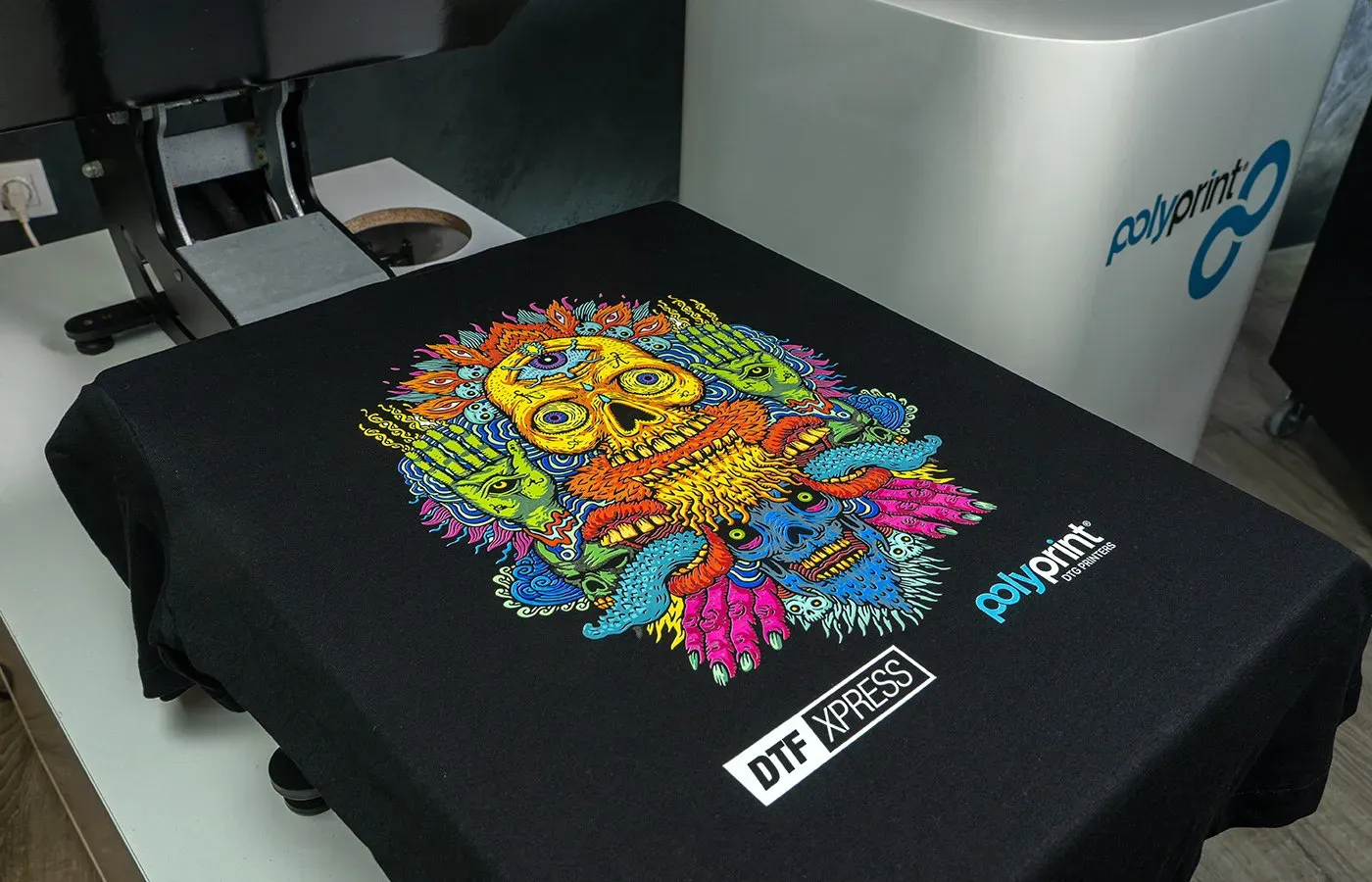
DTF printing, or Direct-to-Film printing, is transforming the textile printing landscape with its ability to produce vibrant, high-quality images on various fabrics. This innovative printing method uses a specialized film that transfers intricate designs seamlessly, supporting bold color applications that other techniques can't match. In this engaging guide, we'll dive deep into the DTF printing process—exploring its advantages, essential DTF equipment, and tips for DIY DTF printing projects. Whether you're a seasoned print professional or a curious hobbyist eager to personalize clothing, understanding the nuances of DTF printing will empower you to make informed choices in your creative endeavors. Join us as we uncover the world of DTF printing, where creativity meets cutting-edge technology.
Known as Direct-to-Film printing, this technique leverages a unique film transfer method that allows for detailed and vibrant garment decoration. This approach stands apart from traditional methods like screen printing and direct-to-garment printing by utilizing special DTF equipment to achieve stunning results on various fabric types. The DTF printing process involves printing designs onto a specialized film, which is then meticulously transferred onto garments, providing an intriguing alternative for customizing apparel. The advantages of utilizing this technology for DIY DTF printing extend beyond just aesthetics, offering durability and versatility that many creators find appealing. As we discuss this innovative printing method, you'll discover how it empowers artists and entrepreneurs to express their unique visions through stunning fabric applications.
What Is Direct-to-Film Printing?
Direct-to-Film (DTF) printing is a modern printing technique that utilizes a unique process to transfer vibrant designs onto various fabrics. Unlike traditional methods such as screen printing or DTG printing, DTF employs a film that allows for intricate designs to be printed with high-quality colors. The printed films can then be heat pressed onto fabric, ensuring that detailed graphics have optimal adhesion and durability. This innovative process has rapidly gained popularity among those in the textile printing industry, providing a versatile and efficient alternative for custom garment creation.
The DTF printing process begins with the design being printed onto a specialized film using a dedicated DTF printer. This printer uses unique inks formulated to bond with both the film and the fabric. Once the design is printed, an adhesive powder is applied to the film, creating a layer that helps to secure the design once heat is applied. The final step involves using a heat press to transfer the design to the fabric, resulting in a long-lasting print that's resistant to wear and fading, making it ideal for everything from custom shirts to promotional apparel.
Advantages of DTF Printing Over Traditional Methods
One of the main advantages of DTF printing is its versatility in application. Unlike conventional printing methods that may have limitations based on fabric type or texture, DTF can be successfully applied to a wide variety of materials, including cotton, polyester, and blended fabrics. This flexibility makes it particularly valuable for businesses that cater to diverse customer needs, as it allows for custom designs on multiple fabric choices without compromising print quality.
Another significant benefit lies in its cost-effectiveness, especially for small runs. Traditional printing methods often require large quantities to justify setup costs, but DTF printing can be more economical for smaller orders and personalized designs. This affordability is a game-changer for entrepreneurs and hobbyists alike, enabling them to offer unique products without the burden of excessive inventory. Moreover, DTF prints are renowned for their durability, often lasting through numerous washes while maintaining their vibrance and integrity.
Key Equipment Needed for DTF Printing
To embark on your DTF printing journey, a few critical pieces of equipment are necessary. Firstly, a specialized DTF printer capable of handling DTF inks and correctly printing on transfer film is essential. These printers differ from conventional printers as they are designed specifically for high-quality fabric printing, ensuring optimal color saturation and design precision.
In addition to the printer, you'll need DTF inks tailored for use with the transfer film, alongside high-quality polyester film that provides a smooth surface for printing. Adhesive powder is also necessary, as it helps the design bond effectively to the fabric during the heat pressing process. Finally, a reliable heat press is crucial for applying the appropriate heat and pressure to ensure a successful transfer of the design onto the fabric.
Exploring the DIY DTF Printing Process
For those interested in DIY DTF printing, the process can be both accessible and rewarding. Starting with basic equipment, it's possible to create stunning custom prints right from your home studio. Begin with a desktop DTF printer and experiment with the various inks and films available. The initial learning curve focuses on adjusting print settings and determining the best temperature and pressure settings for your heat press.
The DIY approach not only allows for hands-on learning but also provides the freedom to experiment with designs and applications. Users can create unique, personalized apparel with individualized graphics and colors. This accessibility and customization potential attract many to the DTF printing realm, enabling creative expression while potentially generating income through custom garment design.
Environmental Impact of DTF Printing
As DTF printing technology continues to advance, there is a growing emphasis on its environmental impact. Many modern DTF inks are formulated to contain fewer volatile organic compounds (VOCs), aligning with the industry shift towards more sustainable practices. For printing professionals and hobbyists, selecting greener inks helps mitigate environmental damage while still achieving high-quality prints.
Moreover, the overall efficiency of DTF printing—where less waste is produced compared to traditional methods—also plays a significant role in its eco-friendliness. Printing on demand reduces overproduction, and the materials involved in DTF printing can often be recycled or have a lesser environmental footprint. By embracing this innovative printing method, users contribute to a more sustainable future in the textile industry.
Current Market Trends in DTF Printing
The DTF printing market is on the rise, particularly post-pandemic, as small businesses embrace the demand for custom apparel. This resurgence is fueled by a broader demographic of creators and entrepreneurs who seek user-friendly, cost-effective solutions to meet their customers' needs. As accessibility to DTF technology increases, the market is set to expand further, offering diverse opportunities for those looking to enter the garment printing field.
In response to this growing interest, manufacturers are consistently innovating within the DTF equipment space, improving printer speeds, quality, and ease of use. New product launches that cater specifically to novice users will likely contribute to the continuous growth of the DTF printing community. Educational resources and forums are emerging, providing essential support and fostering collaboration among enthusiasts, further solidifying DTF printing's position in the market.
Frequently Asked Questions
What is DTF printing and how does it work?
DTF printing, or Direct-to-Film printing, is an innovative method that transfers vibrant images onto fabrics using a specialized transfer film. The process begins with a DTF printer printing a design on a polyester film. An adhesive powder is then applied and cured under heat, allowing for high-quality, durable prints suitable for various fabrics.
What are the advantages of using DTF printing over traditional printing methods?
DTF printing offers several advantages, including versatility on multiple fabric types like cotton and polyester, cost-effectiveness for small orders, and superior durability of prints that can endure multiple washes without fading. This makes DTF printing a preferred choice for custom apparel.
What equipment do I need to start DIY DTF printing?
To start DIY DTF printing, you'll need key equipment such as a DTF printer, DTF inks specifically formulated for film transfers, polyester films, adhesive powder, and a heat press for transferring designs onto fabrics efficiently.
Is DTF printing environmentally friendly?
Many DTF inks are now being designed with reduced volatile organic compounds (VOCs), making them a more environmentally friendly option compared to traditional inks. Users should consider sustainability alongside quality when choosing DTF printing methods.
What challenges might beginners face when starting DTF printing?
Beginners in DTF printing may encounter challenges such as the initial high investment in equipment and materials, as well as a steep learning curve associated with understanding printer setup and maintenance, which can require time and practice.
How has DTF printing technology evolved recently?
DTF printing technology has rapidly evolved with advancements such as higher quality inks, faster printing speeds, and user-friendly equipment. Staying updated on these innovations is crucial for maximizing the effectiveness and efficiency of DTF printing.
| Aspect | Details |
|---|---|
| Introduction | An overview of DTF printing, its vibrancy, and emerging popularity in fabric printing. |
| Understanding DTF Printing | DTF utilizes a specialized film and inks to transfer intricate designs onto fabric, ensuring durability and vibrancy. |
| Key Equipment | - DTF Printer - DTF Inks - Polyester Film - Adhesive Powder - Heat Press |
| Advantages | 1. Versatility 2. Cost-effective for small runs 3. High durability, ideal for clothing |
| Environmental Considerations | Awareness of sustainable practices with reduced VOCs in DTF inks. |
| Market Trends | Post-pandemic growth with an increase in small businesses and innovations in DTF technology. |
| Challenges | 1. Initial investment cost 2. Learning curve for equipment setup and usage |
| Recent Developments | Advancements in quality inks and machines, with a focus on user-friendly features and faster printing. |
| Resources | Blogs, YouTube tutorials, and online forums for support and learning about DTF printing. |
Summary
DTF printing is reshaping the landscape of fabric printing by offering high-quality, durable prints with a striking vibrancy. This innovative method has gained prominence among both entrepreneurs and hobbyists, allowing users to create custom designs on various types of fabric. As you delve into DTF printing, you'll discover the advantages it brings, such as cost-effectiveness for small runs and its versatility across different materials. Staying informed about the latest trends and investing in the right equipment will empower you to produce exceptional results and tap into the flourishing opportunities in the DTF printing market.