
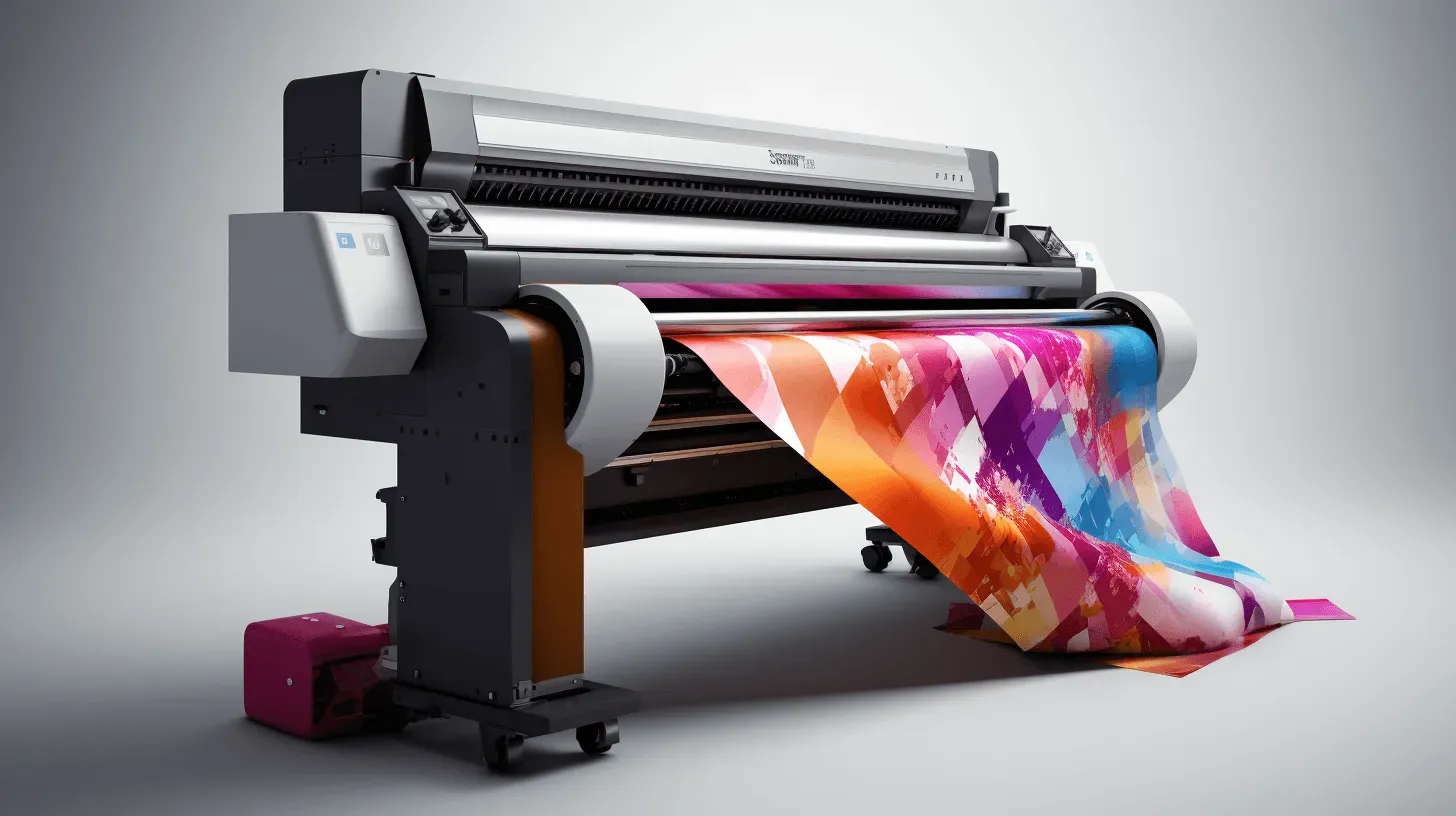
**Direct-to-Film (DTF) printing** is revolutionizing the way startups approach custom apparel printing, offering a blend of quality and cost-effectiveness that undoubtedly appeals to new entrepreneurs. As businesses strive to gain a competitive edge, the benefits of DTF printing become evident, particularly in terms of affordability and versatility compared to traditional methods like screen printing. This innovative printing technique enables vibrant designs to be transferred onto various fabrics quickly, making it ideal for fast-paced markets where trends constantly evolve. Moreover, unlike its older counterparts, DTF printing minimizes waste and materials costs, presenting a sustainable advantage for eco-conscious startups. In this exploration, we will dive into the intricacies of DTF printing, highlighting its role in shaping startup success and addressing vital concepts such as DTF vs screen printing.
In the realm of custom apparel, **Direct-to-Film printing** stands out as an advanced method that caters to the needs of budding entrepreneurs and fashion start-ups. Often referred to as DTF, this technique involves applying designs directly to specially coated films, which can then be transferred onto fabrics using heat. Its rising popularity stems from not just its efficiency, but also from its ability to meet the growing consumer demand for personalized apparel. This process is increasingly recognized for being more cost-effective compared to traditional fabric printing methods, including screen printing, thus making it an attractive option for many new businesses. As we delve deeper into this topic, we will discover how DTF printing is not only reshaping product offerings but also redefining operational frameworks for startups.
Understanding DTF Printing for Startups
Direct-to-Film (DTF) printing has emerged as a revolutionary technique within the printing industry, specifically aimed at fulfilling the innovative needs of startups. Unlike traditional methods, where extensive setup and a significant investment in materials can be hindrances, DTF printing streamlines the entire process. With its ability to produce high-quality images on various fabrics, startups can significantly enhance their product offerings without the burden of excessive costs. This flexibility makes DTF an attractive option as it allows new companies to focus on creativity and product design rather than logistics.
Moreover, one of the critical advantages of DTF printing lies in its accessibility for those entering the competitive apparel market. Unlike screen printing, which necessitates considerable technical know-how and initial investment in screens and setups, DTF allows entrepreneurs to jump right into the business with minimal initial outlays. It opens doors for startups to experiment and pivot their offerings based on market demand without being entrenched by high costs and inventory obligations.
Cost-Effectiveness of DTF Printing
When evaluating the cost-effectiveness of DTF printing for startups, it is crucial to consider both startup investment and operational costs. DTF printers can start at a relatively low price point compared to traditional screen printing setups, which often require multiple screens and a sizable workspace. This contrast in initial investment is a powerful incentive for new businesses looking to establish a foothold in the market without breaking the bank. Moreover, the equipment's rapid evolution has enhanced the affordability and accessibility of high-end printers, making them viable for smaller operations.
In addition to low initial costs, DTF printing dramatically reduces material expenses, particularly for smaller print runs. Given that startups can quickly print limited runs of items, these businesses can avoid the pitfalls associated with over-manufacturing and wastage, which are common with more conventional printing processes. This enhanced efficiency not only decreases material costs, leading to improved profit margins, but also aligns with the growing consumer focus on sustainability within apparel production.
Labor Costs and Operational Efficiency in DTF Printing
The labor aspect of DTF printing is also a critical factor contributing to its appeal for startups. Since the DTF process requires fewer manual steps than screen printing, businesses can streamline their operations and focus their workforce on creative pursuits rather than tedious production tasks. This reduction in labor intensity can lead to significant savings, particularly for new companies that often operate on lean budgets. Business owners have reported a notable decrease in labor costs thanks to the simplified workflow of DTF printing, allowing them to allocate resources to drive growth.
Furthermore, DTF's faster turnaround times are a vital component that startups should consider. In today’s fast-paced market, the ability to respond quickly to customer demands gives entrepreneurs a distinct competitive edge. The efficiency afforded by DTF printing allows companies to process and fulfill orders promptly, catering to the rising expectations for tailored, just-in-time production. This operational advantage plays a crucial role in building customer satisfaction and loyalty, ultimately bolstering the startup's market presence.
Market Demand and Customization Opportunities with DTF Printing
In an era where consumer preferences lean heavily towards personalization, DTF printing offers startups an exciting canvas to explore. The technology’s capability to deliver vibrant, high-quality prints on-demand means that entrepreneurs can cater to niche markets seeking custom apparel solutions. As more consumers gravitate towards unique and personalized designs, startups employing DTF printing can differentiate themselves from competitors who rely on generic offerings, thus positioning their brands for success.
Moreover, the flexibility inherent in DTF printing allows startups to pivot swiftly in response to emerging trends, thus fostering a dynamic business environment. With the ability to quickly modify graphics and designs, entrepreneurs can capitalize on market demands more effectively than those limited by traditional methods. This agility not only meets consumer expectations but also enhances the entrepreneurial spirit, enabling startups to innovate and expand beyond their initial offerings.
Environmental Impact and Sustainability of DTF Printing
As consumer awareness around sustainability continues to grow, DTF printing emerges as an eco-friendly alternative to traditional garment printing methods. DTF printing utilizes less water and generates less waste, aligning with the increasing demand for sustainable business practices among consumers. Startups looking to appeal to eco-conscious buyers can leverage this aspect of DTF as a fundamental part of their marketing strategy, thereby enhancing their brand reputation and customer loyalty.
In addition to environmental benefits, DTF printing allows for low waste production. As startups can print only what is needed for each order, the method minimizes excess inventory and the associated environmental toll of unsold products. The convergence of sustainability with innovative printing solutions places startups adopting DTF technology in a favorable position, resonating with modern consumers who prioritize ethical and eco-friendly practices in their purchasing decisions.
Future Trends in DTF Printing Technology
The DTF printing landscape is rapidly evolving, with innovations enhancing the technology's capabilities and efficiency. Recent advancements have resulted in quicker print speeds, improved color vibrancy, and greater durability, making DTF an increasingly attractive option for startups. The participation of existing players and new entrants fosters a competitive environment that drives ongoing improvements, ensuring that startups equipped with DTF technology can stay ahead of market demands.
As we look towards 2023 and beyond, DTF printing is poised for significant growth within the printing and apparel industries. The combination of cost savings, operational efficiency, and a competitive edge in product differentiation ensures that startups that adopt DTF technology could not only thrive but also lead the market. This trajectory signals exciting possibilities for small businesses ready to harness innovation in their quest for success.
Frequently Asked Questions
What are the benefits of DTF printing for startups?
DTF printing offers several benefits for startups, including lower initial costs compared to traditional methods like screen printing, reduced material expenses, and increased production efficiency. Additionally, DTF allows for high-quality and detailed designs, making it ideal for custom apparel printing. Its flexibility enables quick adjustments to designs in response to market trends, helping startups stand out in a competitive landscape.
How does DTF printing compare to screen printing?
When comparing DTF vs screen printing, DTF printing proves to be more cost-effective for startups. DTF requires less setup and fewer materials, allowing smaller batches to be produced economically without extensive inventory commitments. Additionally, DTF offers vibrant colors and intricate designs that are more challenging to achieve with traditional screen printing.
Is DTF printing a sustainable option for custom apparel production?
Yes, DTF printing is considered a more environmentally friendly option compared to traditional printing methods. It produces less waste and consumes significantly less water, aligning with consumer demand for sustainable practices. Startups leveraging DTF printing can appeal to eco-conscious customers while maintaining high quality in their custom apparel offerings.
What are the startup costs associated with DTF printing?
Startup costs for DTF printing can be relatively low, starting around $2,000 for basic printers and potentially reaching $20,000 for industrial-grade models. Material costs, such as inks and films, are also lower than traditional methods, making DTF printing a budget-friendly choice for startups looking to enter the custom apparel market.
Can DTF printing meet the demand for personalized and custom apparel?
Absolutely! The benefits of DTF printing lie in its ability to produce personalized and custom apparel efficiently. Startups can leverage DTF technology to create unique designs quickly, responding to consumer trends and preferences, thus catering to the growing demand for custom-batch products in the apparel market.
What factors contribute to the cost-effectiveness of DTF printing for startups?
The cost-effectiveness of DTF printing for startups is attributed to lower initial equipment investments, reduced material expenses for small-batch production, and decreased labor costs due to streamlined processes. Fast turnaround times and the ability to customize orders without extensive setup further enhance the economic benefits of DTF printing.
| Key Points | Details |
|---|---|
| Introduction to DTF Printing | DTF printing allows high-quality image transfers onto fabrics with quicker production times and vibrant colors. |
| Startup Investment | Initial costs for DTF printers start around $2,000, which is lower compared to the significant setup costs of traditional methods like screen printing. |
| Material Costs | DTF printing requires lower material expenses and supports small batch productions, minimizing waste. |
| Labor and Operational Costs | DTF printing reduces labor costs due to its simplified production process and faster turnaround times. |
| Market Demand and Trends | Growing need for personalized apparel makes DTF technology a viable option for differentiation among startups. |
| Environmental Considerations | DTF printing is less wasteful and uses considerably less water, appealing to environmentally-conscious consumers. |
| Recent Developments in DTF Printing | The market is expanding with technological advancements improving speed and print quality. |
Summary
DTF printing is transforming the landscape for startups in the printing and apparel sector by providing a cost-effective solution that combines affordability, efficiency, and sustainability. This innovative printing method not only lowers initial investments but also reduces material and labor costs, offering a compelling framework for new entrepreneurs. Given the rising consumer demand for personalized products, DTF printing enables startups to respond swiftly to market trends while remaining environmentally responsible. As this technology continues to develop and improve, its potential to enhance brand differentiation and operational effectiveness makes it an essential consideration for any startup looking to succeed.