
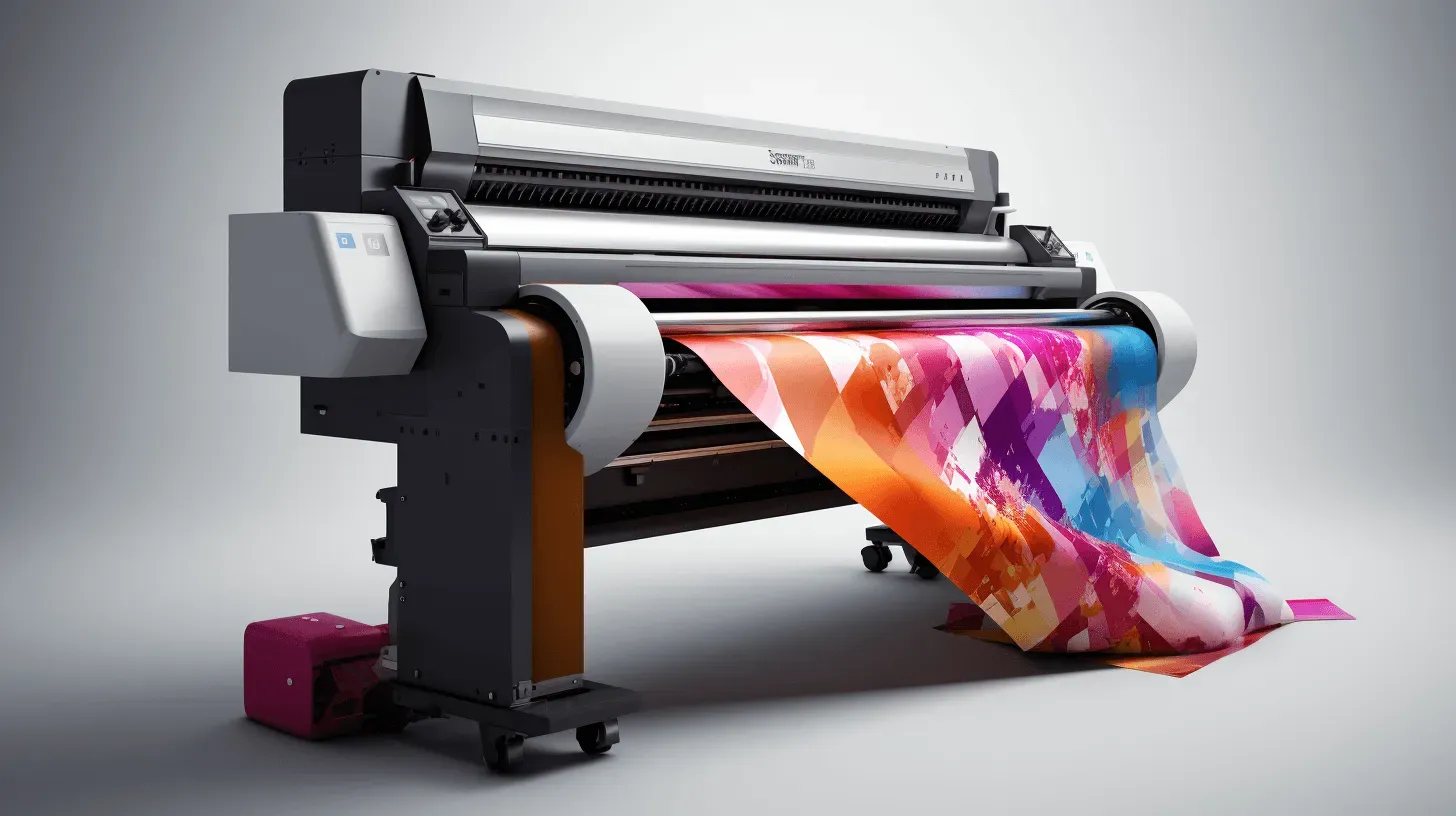
In the dynamic world of custom apparel, DTF printing, or Direct-to-Film printing, has emerged as a groundbreaking technology that empowers designers to transform their creative visions into eye-catching garments. This innovative method combines vibrant colors and intricate designs, making it a popular choice for those looking to produce high-quality textile artwork. With its ability to print on a wide variety of fabrics—including cotton, polyester, and blends—DTF printing is revolutionizing the way brands approach sustainable printing practices. As businesses seek to differentiate themselves in a saturated market, they increasingly turn to the captivating possibilities offered by DTF printing technology. In this article, we will delve deeper into how DTF printing shapes the future of creative design applications and what it means for the apparel industry.
Exploring the advancements in Direct-to-Film technology unveils a myriad of opportunities for creative artists and clothing brands alike. Known for its vibrant visual outputs, DTF printing represents a next-generation approach to fabric decoration that streamlines the design-to-garment process. As more professionals adopt this technique, they not only embrace the flexibility it offers for custom creations but also align with evolving sustainable practices that are becoming crucial in today’s eco-conscious market. By integrating DTF printing into their workflow, designers can produce a diverse range of products, from apparel to unique promotional items, ensuring they stay ahead of trends while minimizing environmental impact. This enhanced method reflects a broader shift towards innovative and sustainable solutions in the textile industry.
What Is DTF Printing?
Direct-to-Film (DTF) printing is a cutting-edge technology that has reshaped the landscape of textile printing. In essence, this method involves printing designs onto a special film that is subsequently heat-transferred onto fabric. This innovative technique offers a plethora of benefits over traditional methods such as dye sublimation or screen printing. Firstly, DTF printing allows for the replication of detailed images and color gradients with remarkable accuracy, ensuring that even the most intricate designs are impeccably rendered on the final product.
Furthermore, DTF printing is particularly versatile, as it can be applied to various materials including cotton, polyester, blends, and even unconventional fabrics. This ability to adhere to a wide range of textiles makes DTF a sought-after solution for designers aiming to produce custom apparel that caters to different consumer preferences and styles. By utilizing this technology, brands can elevate their designs and offer unique apparel that captivates customers.
The Benefits of Sustainable Printing Practices in DTF
Sustainability has become a key consideration in the fashion and textile industry, and DTF printing has emerged as a champion of eco-friendly practices. By adopting water-based inks and recyclable films, designers can significantly reduce the environmental impact associated with textile production. This shift towards sustainable printing not only resonates with environmentally-conscious consumers but also positions brands as responsible participants in a global movement toward greener practices. As consumers increasingly prioritize sustainability, brands committed to eco-friendly printing are likely to cultivate loyalty and trust.
Moreover, integrating sustainable practices into DTF printing workflows can lead to reduced waste and a lower carbon footprint. By utilizing raw materials that are less harmful to the environment and implementing efficient production processes, designers can contribute to a healthier planet while providing consumers with high-quality sustainable products. This alignment with sustainability not only meets market demand but also enhances the overall brand image, opening up new avenues for growth and collaboration in the eco-conscious market.
Exploring Creative Design Applications with DTF
One of the most exciting aspects of DTF printing is its versatility across various design applications. Beyond just custom apparel, DTF technology can be utilized in creating striking designs for home decor, accessories, and even promotional items. This adaptability allows designers to expand their offerings and tap into multiple markets, thereby maximizing their creative potential. For example, artists can print unique patterns on canvas bags, throw pillows, or even wall art, showcasing their designs in ways that resonate with consumers beyond clothing.
Furthermore, as DTF printing continues to evolve, its applications are only limited by creativity. Designers can experiment with innovative color combinations, textures, and layering techniques to produce captivating items that stand out in the marketplace. From vibrant banners to personalized gifts, the possibilities are endless. This flexibility positions DTF printing as a crucial tool for artists and brands aiming to diversify their product lines and stay competitive in an increasingly crowded market.
Enhancing Quality Through Modern DTF Printing Equipment
The advancements in DTF printing technology have led to superior quality prints that withstand the test of time, an essential factor for both consumers and retailers. Modern DTF printers incorporate sophisticated techniques that ensure vibrant colors and sharp details are preserved even after repeated washes. This quality enhancement has made DTF printing a preferred choice for businesses looking to deliver durable and appealing custom apparel to their customers.
In addition to better print quality, today's DTF printing equipment offers faster production times, enabling designers to meet tight deadlines without sacrificing quality. The improved adhesion properties of contemporary DTF inks ensure that prints are not only vivid but also reliable, allowing designs to maintain their integrity under daily wear. As a result, businesses that utilize modern DTF technology can foster customer satisfaction and loyalty, knowing that they are delivering exceptional products.
The Rise of E-Commerce and DTF Printing
In the digital age, the integration of DTF printing and e-commerce represents a powerful opportunity for designers and brands. The print-on-demand model, facilitated by DTF technology, allows creatives to showcase their designs online while minimizing financial risks associated with inventory. This accessibility paves the way for artists to reach expansive global markets without the hefty initial investment. As consumers increasingly shift towards online shopping, utilizing DTF printing in partnership with e-commerce platforms becomes a strategic advantage.
Moreover, businesses can utilize powerful online marketing tools to promote their unique DTF printed products effectively. By leveraging social media and digital advertising, designers can engage potential customers and drive traffic to their online stores. The seamless combination of DTF printing and e-commerce not only enhances efficiency but also empowers designers to harness the potential of a digital marketplace, ultimately leading to increased sales and brand visibility.
Future Trends in DTF Printing Technology
As DTF printing technology continues to advance, numerous trends are emerging that are set to shape the future of the industry. Innovations in software and hardware are expected to enhance the quality and efficiency of printing processes, allowing designers to push the boundaries of creativity even further. Exciting developments in ink formulations are likely to result in more sustainable options that maintain high-quality outputs, thereby attracting eco-conscious consumers and businesses alike.
Additionally, the continued rise of customization will play a significant role in the evolution of DTF printing. As consumers seek personalized products that reflect their individual tastes, DTF technology will become increasingly integral in delivering bespoke experiences. The future may also see enhanced integration with augmented and virtual reality, allowing consumers to visualize designs on products in real-time before making a purchase. This interactive experience could revolutionize the way custom apparel is marketed, propelling the DTF printing sector into new realms of innovation.
Frequently Asked Questions
What is DTF printing and how does it work?
DTF printing, or Direct-to-Film printing, is a revolutionary printing technique where images are printed onto a special transfer film before being applied to fabric. This method utilizes heat and pressure, allowing for vibrant and detailed designs on a variety of materials, including cotton and polyester.
What makes DTF printing different from other printing methods?
Unlike traditional methods like screen printing or Direct-to-Garment (DTG) printing, DTF printing allows for a wider range of fabric compatibility and more intricate designs. Its versatility makes it an ideal choice for custom apparel and various creative design applications.
How are sustainable printing practices integrated into DTF printing?
DTF printing supports sustainable printing practices by using water-based inks and recyclable films. This eco-friendly approach not only reduces environmental impact but also appeals to consumers who prioritize sustainability in their purchasing decisions.
What recent developments have improved DTF printing technology?
Recent developments in DTF printing technology include cost reductions for printers and supplies, improved print quality, and enhanced durability of designs. These advancements ensure that DTF printed garments resist fading, making them more suitable for everyday wear.
How does DTF printing facilitate e-commerce opportunities?
DTF printing is ideally suited for e-commerce as it allows businesses to utilize print-on-demand services. This model eliminates the need for substantial upfront inventory costs, enabling designers to showcase their work globally while minimizing financial risks.
What creative design applications are possible with DTF printing?
DTF printing is not limited to custom apparel; it can also be used for home decor, accessories, and promotional items. Its versatile capabilities open up numerous avenues for designers to innovate and diversify their product offerings.
| Key Point | Details |
|---|---|
| What is DTF Printing? | A printing technique that transfers images onto fabric using heat and pressure, allowing vibrant colors on various materials. |
| Accessibility | Affordable DTF printers and supplies enabled small businesses and independent designers to enter the market easily. |
| Sustainability Trends | Use of water-based inks and recyclable films aligns with eco-friendly practices in printing, reducing carbon footprints. |
| Quality Enhancements | Modern DTF inks provide more durable prints that resist fading, ensuring longevity of designs after many washes. |
| Integration with E-Commerce | Many businesses leverage print-on-demand services, allowing online showcasing of designs without upfront inventory costs. |
| Creative Applications | DTF printing is used for diverse products beyond clothing, including home decor and promotional items, broadening market opportunities. |
Summary
DTF printing has transformed the landscape of custom apparel and textile design by merging innovative technology with artistic creativity. This printing process, characterized by its ability to produce breathtaking designs with vibrant colors and intricate patterns on various materials, allows designers to explore new frontiers. As sustainable practices gain traction and the quality of prints improves, DTF printing not only meets the demands of contemporary consumers but also opens doors for small businesses and independent artists to thrive in a competitive marketplace. Embracing this technology, designers can now craft unique products that resonate with customer expectations while also contributing to eco-friendly initiatives in the fashion industry.