
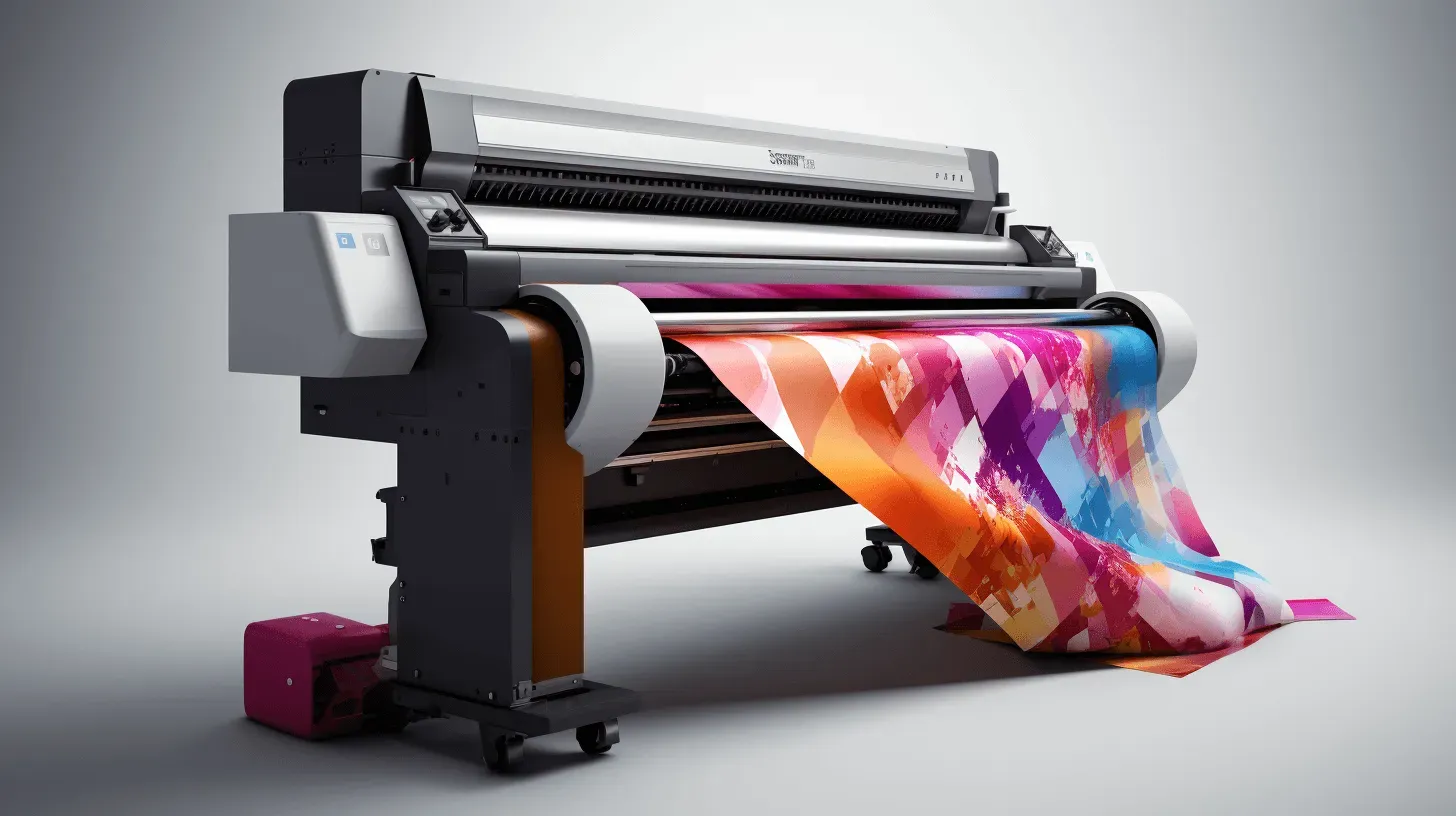
DTF printing, or Direct to Film printing, has revolutionized the landscape of custom apparel printing by offering an innovative and efficient way to transfer designs onto various fabrics. This state-of-the-art print technology utilizes a specialized film that allows for stunning visuals, including vibrant colors and intricate details, making it a preferred choice among fashion designers and small business owners alike. As the textile printing innovations continue to unfold, DTF printing stands out not only for its high-quality output but also for its cost-effectiveness and sustainability. With environmental concerns becoming increasingly paramount, DTF printing offers sustainable printing solutions that cater to eco-conscious consumers while delivering exceptional results. In this article, we will delve into the myths and realities of DTF printing, providing you with essential insights into this transformative technology.
Often referred to as Direct to Film or film-based printing, the process is gaining traction among small to medium-sized businesses eager to tap into the custom apparel market. This advanced textile printing method employs heat transfer techniques that allow for intricate designs to be effortlessly applied to a wide range of fabrics. With innovations in printing technology, the versatility and efficiency of these systems are elevating the standards of apparel customization. As more brands seek sustainable printing solutions, DTF offers an eco-friendly alternative that ensures durability and aesthetic quality in each print. In exploring the dynamics of this innovative printing method, we will address ongoing misconceptions and highlight the advantages of adopting DTF techniques.
Understanding the Process Behind DTF Printing
Direct to Film (DTF) printing is a revolutionary method of producing high-quality prints by transferring designs from a film onto fabric. The technique involves printing the desired design onto a specially coated film using a specialized printer and then applying a heat transfer process to bond the ink with the fabric. This method allows for colors to be vibrant and saturates brilliantly on a variety of textile materials. One of the key benefits of DTF printing is its ability to incorporate white ink, enabling users to achieve stark contrast and brightness on dark fabrics, making it a versatile tool for custom apparel printing.
The preparation process for DTF printing is also crucial for achieving the best results. The printed film must be cured appropriately to ensure the design adheres effectively during the heat transfer process. Innovations in ink technology have resulted in stronger adhesion and better durability of prints, challenging the old notion that digital prints fade easily. Therefore, understanding the intricate steps involved in DTF printing ensures that designers and printers can maximize the quality and longevity of their finished products, making it an appealing option for businesses seeking quality and efficiency.
Frequently Asked Questions
What is DTF printing and how does it work?
DTF printing, or Direct to Film printing, involves printing designs onto a special film that is then heat pressed onto fabrics. This innovative technology enables high-quality custom apparel printing, allowing for vibrant prints even on darker materials.
Are DTF prints durable and wash-resistant?
Yes, DTF prints are now highly durable thanks to advancements in DTF print technology. Enhanced inks and proper curing methods ensure that prints maintain their quality and vibrancy even after multiple washes, making them ideal for long-lasting custom apparel.
Is DTF printing affordable for small businesses?
Many believe DTF printing is too expensive, but it can be cost-effective for small businesses. The print-on-demand capabilities reduce inventory waste, and lower ink costs help entrepreneurs compete effectively without incurring steep initial setup costs.
What types of fabrics can be used with DTF printing?
DTF printing technology has advanced significantly, allowing it to be used on various fabrics including cotton, polyester, and blends. This versatility makes it a powerful option for custom printing solutions across different textile types.
How does DTF printing compare to traditional printing methods?
DTF printing outperforms traditional methods like screen printing in many aspects, including color vibrancy, detail reproduction, and fabric compatibility. Additionally, it poses lower risks of color fading, making it a preferred choice for intricate designs and custom apparel.
What are the benefits of DTF printing as a sustainable printing solution?
DTF printing is emerging as a sustainable printing solution due to advancements in environmentally friendly inks and reduced waste through print-on-demand capabilities. These innovations reduce the environmental impact compared to traditional textile printing methods, aligning with the industry's push for sustainability.
| Key Points | Details |
|---|---|
| What is DTF Printing? | A method for printing designs on special film, which is heat pressed onto various fabrics. It allows for vibrant designs, especially on darker materials. |
| Durability Myths | Recent advancements have improved wash durability significantly, contrary to the belief that DTF prints are not durable. |
| Cost Myths | The initial setup may seem high, but DTF printing can offset costs through print-on-demand capabilities and reduced excess inventory. |
| Fabric Compatibility | DTF printing is compatible with various fabrics, including cotton and polyester, debunking the myth of limited compatibility. |
| Market Trends | Growing demand for custom apparel and increased adoption by small businesses mark a positive trend for DTF printing. |
| Technical Advancements | Advancements in technology are enhancing color vibrancy, adhesion, and sustainability of DTF printing. |
| User Feedback | Most users report positive experiences with DTF due to lower risks of color fading and flexibility in design. |
Summary
DTF printing is revolutionizing the textile industry by allowing for detailed and vibrant designs that stand the test of time. This innovative printing method not only offers durability and cost-effectiveness but also showcases flexibility in fabric compatibility. As myths about DTF printing are dismantled, it’s becoming increasingly clear that this technology is vital for businesses aiming to adapt to changing consumer demands for custom apparel. With continual improvements in technology and growing market acceptance, DTF printing is set to be at the forefront of the next wave in textile printing, empowering businesses to harness its capabilities for unique and high-quality fabric designs.