
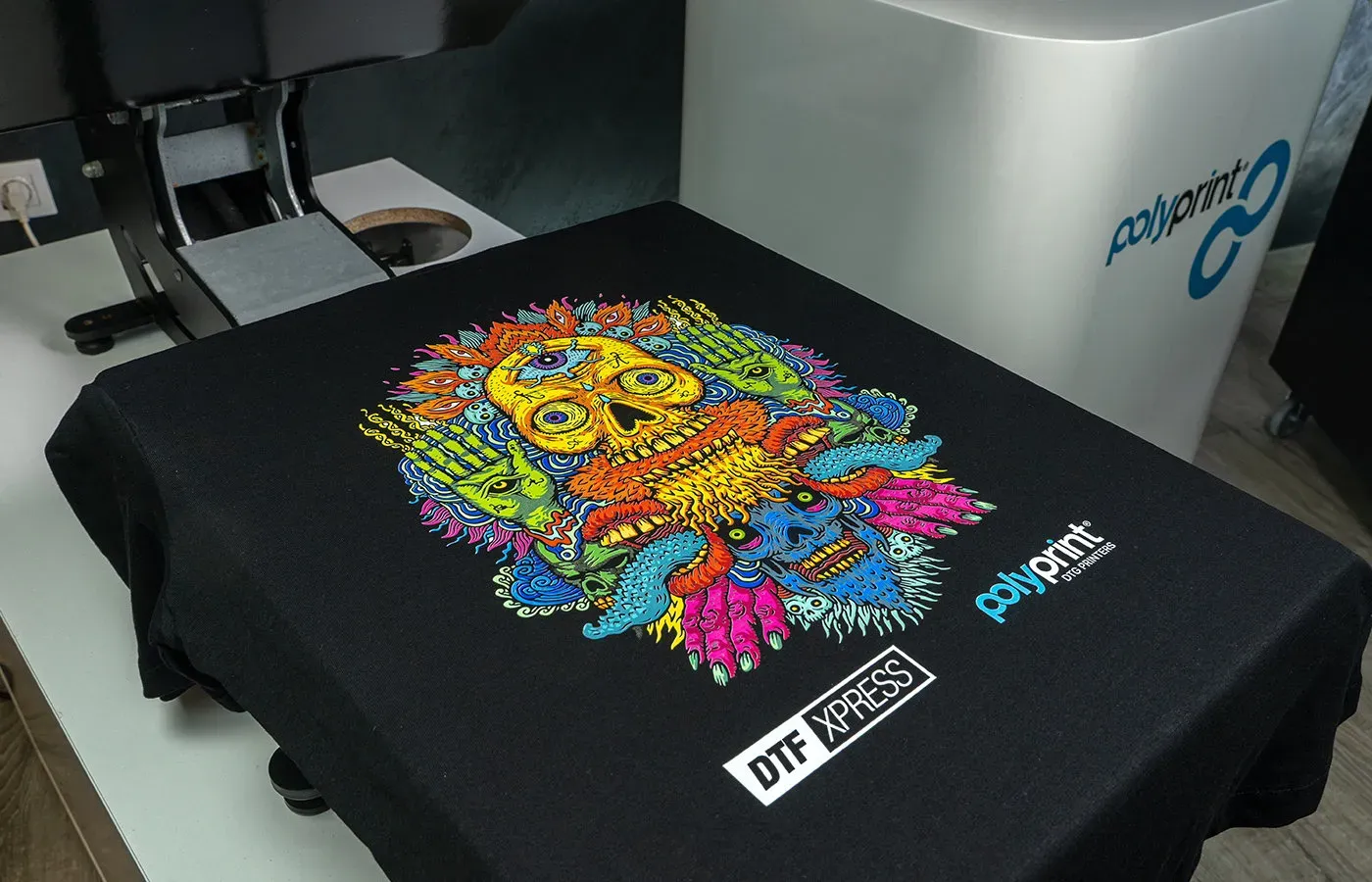
DTF printing, or Direct-to-Film printing, is reshaping the landscape of garment printing with its innovative technique that allows vibrant and detailed designs to be transferred onto fabric. Unlike traditional printing methods such as screen printing that often require extensive setup and materials, DTF printing offers a versatile and efficient solution for creating custom apparel. This modern printing technique stands out for its ability to handle diverse fabric types, making it an ideal choice for various garment printing needs. Whether you're looking to create unique designs for a small business or personal projects, DTF printing streamlines the process and provides high-quality results. With its growing popularity, understanding the benefits and uses of DTF printing versus traditional methods like screen printing is essential for anyone in the custom apparel industry.
Direct-to-Film (DTF) printing is often referred to as a cutting-edge textile printing solution that directly applies images onto garments using heat-transferred films. This advanced method contrasts sharply with classic techniques, including screen printing, which has dominated the industry for decades. By employing a straightforward application process and accommodating a range of fabrics, DTF printing simplifies the creation of custom garments. Furthermore, its capability to deliver vibrant colors and intricate details opens new avenues for personalized apparel design. As businesses and individuals seek effective and innovative printing techniques, the shift toward DTF printing highlights an evolution in garment printing possibilities.
Understanding DTF Printing: A Modern Approach
Direct-to-Film (DTF) printing represents a significant evolution in the garment printing landscape, distinguishing itself from traditional methods through its innovative use of a film substrate. This process involves intricate layers of ink being printed on a heat transfer film, which is then applied to fabric with heat and pressure. The result? Stunningly vibrant designs that can be simply produced with minimal setup time. Unlike screen printing which demands extensive logistical planning and equipment setup, DTF printing offers a straightforward and time-efficient process, making it highly appealing to small businesses and startups in the custom apparel industry.
The versatility of DTF printing extends beyond just ease of use; it caters to an impressive range of materials, including cotton, polyester, and blends. This expands the horizon for garment printing, allowing creators to explore diverse applications, from casual wear to high-performance fabrics. Moreover, the DTF method facilitates the reproduction of intricate designs and vivid colors that maintain their quality over time. As technology advances, DTF continues to shine as an ideal alternative for those looking to produce high-quality prints without the constraints of more traditional printing techniques.
Why Choose DTF Printing Over Traditional Methods?
One of the fundamental reasons to choose DTF printing over traditional methods like screen printing is its cost-effectiveness for small batches. Traditional screen printing often imposes hefty initial investments in setup and materials, tailored for high-volume runs. Conversely, DTF allows for lower costs associated with smaller orders, making it accessible for entrepreneurs or artists who desire flexibility and customization without the overhead costs. This democratization of the printing process empowers more individuals to explore their creative visions without fear of excessive waste or financial constraints.
Furthermore, DTF printing provides an exceptional quality of prints, particularly for designs requiring intricate details or vibrant colors. While screen printing excels in durability under certain conditions, DTF's ability to print directly onto the fabric without needing pre-treatment means that it can achieve excellent finishes on darker fabrics—something traditional methods may struggle with. For businesses looking to make a statement with their designs, the appeal of DTF printing is clear: a modern, efficient, and high-fidelity option that embraces the diverse needs of today's garment printing market.
Durability Considerations in DTF vs. Screen Printing
When evaluating printing methods, durability should be a key consideration, particularly for wearables like custom apparel. DTF printing produces vibrant, high-quality designs, but its longevity may vary under frequent washing and daily use. As garments face the rigors of repeated wear, it's crucial to assess how well the print withstands this stress. In contrast, traditional screen printing is renowned for its resilience; when properly executed, these prints can retain their color and quality over time. This makes screen printing an enticing choice for brands selling items meant for long-term use.
However, advancements in DTF technology continue to improve its durability, bridging the gap with traditional screen printing. Some DTF prints now last comparable lengths to screen prints, given the proper treatment and care. An understanding of material choices and print care will be imperative for businesses deciding on the most suitable method. This highlights the necessity for consumers to balance their needs against the specific application of the wearables they create, striking a balance between appealing visuals and practical durability.
Exploring Color Options: DTF vs. Screen Printing
Color richness and vibrancy are essential attributes in garment printing that can considerably influence consumer preference. DTF printing offers the flexibility to utilize multiple colors within a single print run, paving the way for elaborate designs that can pop against a variety of fabric types. Since DTF doesn't rely on a rigid setup of screens for each color, it significantly lowers the barriers for applying complex images or gradients, thus enhancing creative possibilities. This method truly highlights the nuances of color theory, delivering stunning results that meet the demands of today's design-centric market.
On the other hand, screen printing’s strength lies in its ability to produce dense, vibrant colors using specialized inks that can be layered and combined to achieve eye-catching designs. This method excels with spot colors, ensuring the consistency and vibrancy of hues in larger production runs. Businesses opting for screen printing can benefit from strong visual impact, particularly for bulk orders where color fidelity and brightness are paramount. Ultimately, the choice between DTF and traditional screen printing may hinge on the desired complexity of the design coupled with the target audience's expectations.
Choosing the Right Printing Technique for Your Needs
Deciding between DTF printing and traditional methods such as screen printing necessitates an understanding of your specific project requirements. Evaluating the scale of production is critical; larger orders may favor screen printing due to its efficiencies in bulk handling, whereas smaller or unique designs benefit from the lower setup costs associated with DTF. Each method comes with its own set of technical needs and outcomes, thus it's important to align your printing choice with your business capabilities and creative vision.
In addition to scale, fabric compatibility plays a crucial role in the decision-making process. DTF's adaptability to various materials gives it a significant edge, especially for businesses looking to diversify their product lines. Assessing the durability requirements of printed items based on wear frequency and target consumer behavior is also paramount. In conclusion, both DTF and traditional printing methods offer valuable benefits, and selecting the right one is crucial in ensuring customer satisfaction and long-term success in the competitive custom apparel market.
The Future of Garment Printing: Innovations and Trends
As technology evolves, the landscape of garment printing continues to transform, particularly with the burgeoning popularity of DTF printing. Innovations in this method promise to enhance its appeal by improving print longevity, expanding color options, and reducing waste. The transition towards environmentally friendly inks and processes only enriches its prospects, aligning with growing consumer demand for sustainable practices in custom apparel production. With continued advancements, DTF printing is positioned to become a dominant force in the printing domain, catering to modern design needs.
Conversely, traditional printing methods like screen printing are not stagnating either. There's an ongoing refinement of techniques and materials which can lead to improved efficiency and reduced environmental impact. As the demand for bespoke designs and rapid turnover grows, both DTF and screen printing methods must adapt. The future of garment printing lies in the fusion of these techniques, leveraging the strengths of each to meet diverse consumer needs while maintaining quality and sustainability.
Frequently Asked Questions
What is DTF printing and how does it differ from traditional printing methods?
DTF printing, or Direct-to-Film printing, uses a specially coated film to transfer designs onto fabrics with heat and pressure. Unlike traditional printing methods such as screen printing, DTF is versatile and allows for detailed designs on various fabric types without extensive setup.
What are the benefits of using DTF printing for custom apparel?
The benefits of DTF printing for custom apparel include versatility across fabric types, vibrant colors, intricate details, cost-effectiveness for small runs, and ease of use compared to traditional techniques like screen printing.
Can DTF printing handle complex designs better than traditional methods?
Yes, DTF printing can manage complex designs more effectively than many traditional methods, including screen printing, since it does not require separate screens for different colors, allowing for seamless and intricate print quality.
What are the durability concerns associated with DTF printing?
While DTF printing produces visually appealing designs, the prints may not be as durable as traditional screen prints, especially with frequent washing and wear. This should be considered for garments intended for heavy use.
Is DTF printing more cost-effective than screen printing for small batch orders?
Yes, DTF printing tends to be more cost-effective for small batch orders, as it avoids the high setup costs associated with traditional screen printing, making it an appealing option for custom apparel needs.
What factors should I consider when choosing between DTF printing and screen printing?
When choosing between DTF printing and screen printing, consider factors such as production scale, fabric compatibility, durability requirements, and your initial investment budget to determine which printing method best suits your needs.
| Key Points | DTF Printing | Traditional Printing Methods (Screen Printing) |
|---|---|---|
| Versatility | Compatible with various fabrics including cotton, polyester, and blends. | Best suited for large production runs, effective for limited fabric types. |
| Quality of Prints | Produces vibrant colors and detailed prints, especially on dark materials without pre-treatment. | Known for color vibrancy but limited for intricate multi-color designs. |
| Cost-Effectiveness for Small Runs | Economic for small batch orders with low initial investment in equipment. | Economical for large orders, but high setup costs for smaller runs. |
| Ease of Use | Relatively simple process, leading to quicker turnaround times. | Labor-intensive setup process, requiring more training and time. |
| Durability Concerns | Less durable, may wear and wash out faster than screen prints. | Highly durable, can withstand multiple washes with proper care. |
Summary
DTF printing is revolutionizing the way custom designs are applied to fabrics, offering a versatile and efficient alternative to traditional methods like screen printing. This modern technique excels in delivering vibrant colors and detail across various fabric types, making it ideal for a diverse range of applications. As advancements in DTF technology continue to emerge, it stands out as a cost-effective and user-friendly option, especially for businesses looking to fulfill small to medium-sized orders. Balancing factors like production scale, fabric compatibility, and durability will guide you in selecting the most appropriate printing method for your needs.