
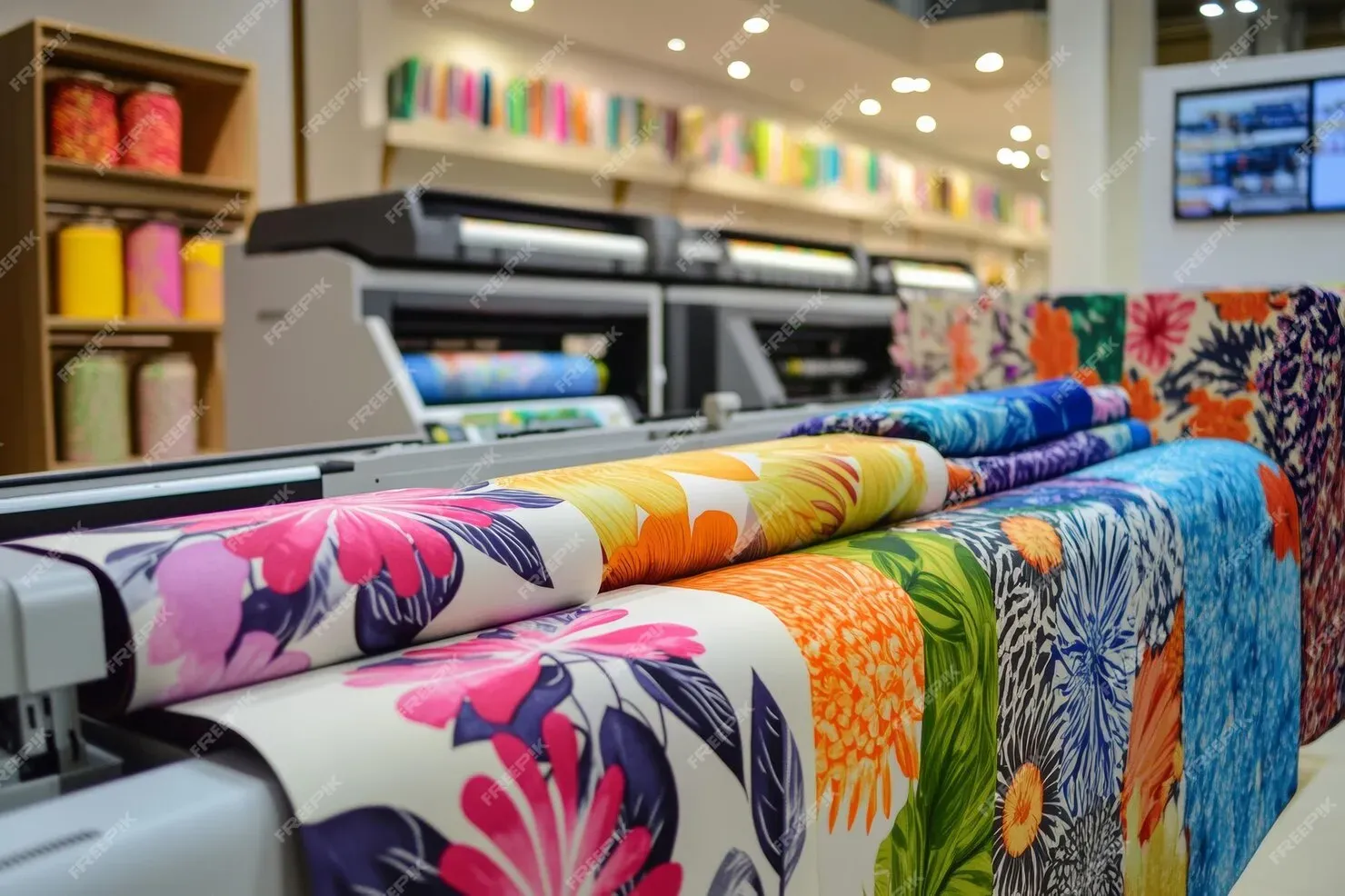
DTF textile printing is at the forefront of a revolution in the textile industry, blending innovation with functionality. This cutting-edge technique, short for Direct-to-Film printing, enables the transfer of vivid, high-quality images onto garments with remarkable efficiency. As businesses increasingly turn towards sustainable printing methods, DTF stands out for its minimal waste and versatility, making it a preferred choice for custom apparel printing. With the rise of digital textile printing, DTF technology is also poised to transform how brands approach merchandise and promotional products. In this article, we will delve deeper into the textile printing innovations that are reshaping the market today.
Exploring the realm of contemporary textile printing reveals a vibrant landscape of Direct-to-Film technology, often referred to by industry insiders as a game-changing approach to fabric decoration. This innovative method leverages advanced digital printing techniques, allowing for seamless customization in apparel production while emphasizing eco-friendly practices. Enthusiasts and businesses alike are captivated by the flexibility and speed DTF technology offers, enabling them to respond quickly to market demands. The surge in interest in sustainable printing not only enhances the production pipeline but also fuels creativity across various product lines. As we unpack these developments, it becomes clear that this new wave of printing solutions is carving a distinct space within the larger textile printing narrative.
The Rise of DTF Textile Printing
Direct-to-Film (DTF) textile printing is quickly becoming a game changer in the industry. This innovative technology allows for vibrant, high-definition designs to be printed directly onto various fabric types. Unlike traditional methods, which often require extensive setup and meticulous preparation, DTF simplifies the process, enabling businesses to produce stunning custom apparel with ease. This shift not only benefits large-scale manufacturers but also empowers small businesses and individual creators to compete in a crowded market.
Moreover, the rise of DTF printing is reflective of a broader trend in the textile industry towards efficiency and sustainability. By significantly reducing waste and allowing for more thoughtful, limited runs, DTF aligns itself with the needs of eco-conscious consumers. This makes it a perfect fit for businesses that want to showcase their commitment to sustainability while also meeting the demand for high-quality, personalized products.
Benefits of Digital Textile Printing
The benefits of digital textile printing extend beyond just aesthetics; they encapsulate efficiency and sustainability. Digital methods, particularly DTF technology, enable businesses to create intricate designs with minimal waste compared to traditional techniques like screen printing. This means that companies can undertake smaller production runs without excessive inventory costs, adapting quickly to consumer demands and fashion trends.
Furthermore, digital textile printing supports the customization craze in the market. With consumers increasingly seeking one-of-a-kind items, DTF printing allows for detailed, vibrant images that cater to individual preferences. The flexibility to adjust designs quickly and produce short runs caters perfectly to today's increasingly personalized fashion landscape. This level of customization not only enhances customer satisfaction but also fosters brand loyalty, crucial elements in a competitive industry.
Sustainable Practices in Textile Printing
Sustainability has emerged as a critical focus in the textile printing industry, and DTF printing technology is at the forefront of this shift. Unlike traditional printing methods that often rely on harmful chemicals and significant water usage, DTF printing adheres to more sustainable practices. By minimizing chemical runoff and using eco-friendly inks, DTF can significantly reduce the environmental impact of textile production.
Additionally, as consumers become more environmentally conscious, businesses that adopt sustainable printing practices often enjoy a competitive advantage. The appeal of DTF lies in its ability to deliver high-quality products while catering to eco-friendly standards, making it easier for brands to appeal to a growing demographic of conscious consumers. As the demand for sustainability in fashion continues to grow, incorporating DTF technology offers a forward-thinking solution for textile manufacturers.
Innovative Textile Printing Solutions
Innovation in textile printing is not just about new technologies; it encompasses the entire ecosystem of production and design. Companies are leveraging DTF printing to develop unique offerings that meet the increasing demands of customization. For instance, advancements in DTF systems now allow for seamless transitions between various types of fabric, which opens up endless possibilities for creative applications in the market.
Furthermore, the availability of advanced software and DTF stations has streamlined the entire workflow for businesses, enabling quick turnarounds and enhanced productivity. As a result, print service providers can cater to diverse sectors—from fashion and home textiles to promotional items—all while maintaining superior quality. This level of versatility and efficiency is setting new benchmarks in the industry, demonstrating a shift towards innovation-led solutions.
The Future Outlook of DTF Technology
Looking ahead, the future of DTF technology appears exceptionally bright as its applications continue to expand. Market analysts predict continued growth in the digital textile printing sector, driven by the agility and versatility that DTF provides. The technology is not limited to fabric; innovative DTF solutions are paving the way for printing on various substrates, including plastics and ceramics, which broadens the scope of market opportunities.
Additionally, as the demand for bespoke products grows, so too does the need for efficient production technologies. DTF printing's ability to meet these demands in real time is likely to lead to further advancements in the technology. The ongoing integration of improved printing mechanisms and eco-friendly practices can place DTF at the forefront of the sustainable textile revolution, fostering a more adaptive and forward-thinking industry.
Comparative Advantages of DTF vs. Other Printing Methods
When examining the comparative advantages of DTF technology alongside other printing methods—such as dye sublimation and screen printing—several key distinctions emerge. DTF stands out primarily due to its ability to produce high-quality prints with detailed full-color graphics without the extensive setup time required by traditional methods. This ease of use makes DTF particularly appealing for small businesses and individual artisans who may lack the resources for complex printing setups.
Moreover, DTF printing allows for greater flexibility in production. Businesses can quickly adjust designs and run limited edition prints without incurring high costs, which is not as feasible with other printing methods. This adaptability caters perfectly to the rapidly evolving fashion landscape and consumer demand for unique, personalized apparel, providing DTF with a competitive edge.
Frequently Asked Questions
What is DTF textile printing and how does it work?
DTF textile printing, or Direct-to-Film printing, is an advanced printing method that transfers high-quality images onto fabrics. It involves printing an image onto a special film coated with adhesive, which is then heat-pressed onto the garment. This technology allows for vibrant designs and is favored for its simplicity and lower setup costs compared to traditional textile printing methods.
How does DTF printing compare to other digital textile printing methods?
Compared to other digital textile printing methods, such as dye sublimation and direct-to-garment (DTG) printing, DTF printing offers unique advantages. It is more versatile, allowing printing on a wider range of fabrics, and is generally easier to set up and use. Additionally, DTF is more cost-effective for short runs, making it a popular choice for custom apparel printing.
Is DTF textile printing a sustainable printing option?
Yes, DTF textile printing is considered a sustainable printing option. It minimizes waste and allows for on-demand printing, which helps reduce overproduction. DTF technology also requires fewer resources and materials than traditional printing methods, aligning with the industry trend toward environmentally friendly practices.
What are the benefits of using DTF technology for custom apparel printing?
DTF technology offers numerous benefits for custom apparel printing, including quick turnaround times, vibrant colors, and a variety of fabric compatibility. This makes it ideal for businesses that require flexibility and speed in fulfilling customer orders, enhancing overall customer experiences in the competitive apparel market.
What types of products can be printed using DTF textile printing?
DTF textile printing is versatile and not limited to clothing; it can be used on a range of products including bags, hats, and promotional merchandise. This versatility expands the market for DTF technology, allowing businesses to cater to various customer needs with customized designs across multiple materials.
How is the DTF textile printing market evolving globally?
The global DTF textile printing market is experiencing significant growth, driven by increasing demand for high-quality and customizable textile options. Innovations in DTF technology and the introduction of user-friendly printers are making this method accessible to small businesses and hobbyists, enhancing its adoption and encouraging expansion across various regions worldwide.
| Key Point | Description |
|---|---|
| Emergence of DTF Printing | DTF printing revolutionizes textile printing with faster, flexible, and sustainable solutions. |
| High-Quality Image Transfer | This technology allows vibrant multi-colored designs to be directly heat-pressed onto fabric. |
| Market Growth | The digital textile printing market is rapidly growing due to the demand for high-quality, on-demand printing technologies. |
| Innovative Services | Companies like Sam's DTF Transfers offer quick turnaround times, enhancing customer experience. |
| Technological Versatility | DTF supports various printing modes, broadening its applications to textiles and merchandise. |
| Global Expansion | DTF technology adoption is growing worldwide, promoting custom apparel production. |
| Comparison to Sublimation | DTF is more user-friendly, especially for smaller businesses, with lower investment and higher returns. |
Summary
DTF textile printing is revolutionizing the textile industry by introducing a modern and efficient method of printing designs directly onto fabric. This innovative technology offers significant advantages over traditional methods, such as screen printing and dye sublimation, including faster processing times and lower setup costs. The growing demand for high-quality, sustainable printing practices has seen DTF capture a significant market share, bolstered by its ability to deliver vibrant, multi-colored images quickly and effectively. As the global textile printing market evolves, the versatility and user-friendly nature of DTF technology make it an attractive option for businesses aiming to meet the increasing consumer demand for customized products. With these attributes, DTF textile printing is not just a trend but a fundamental shift towards a more sustainable and innovative future in the textile printing sector.