
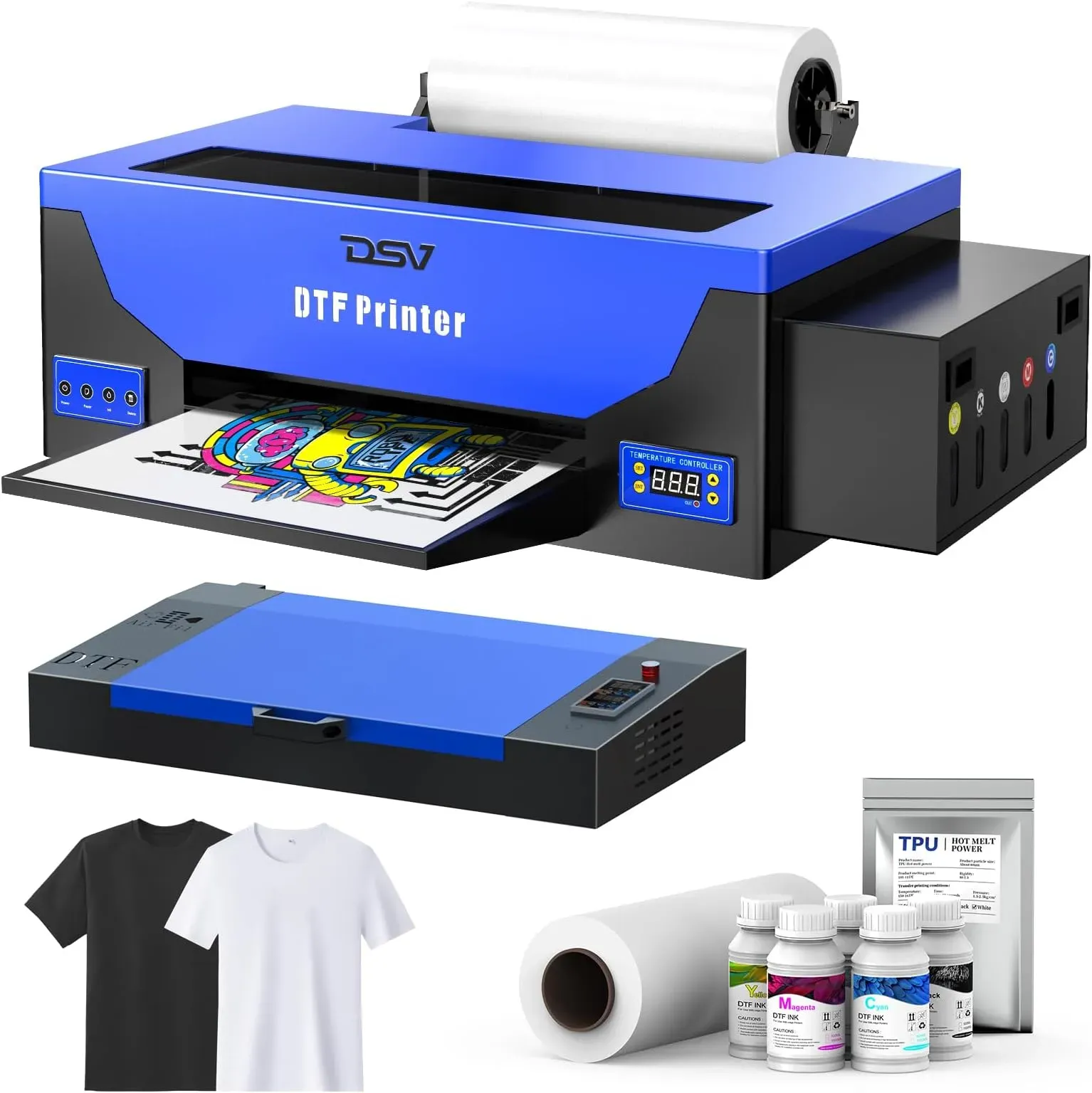
In the realm of modern textile printing, DTF transfer printers have emerged as a revolutionary technology, reshaping how businesses approach garment decoration. This innovative Direct-to-Film printing method allows for the transfer of stunning, intricate designs onto various fabrics, making it a favorite among apparel companies. With a growing demand for versatile and high-quality printing solutions, the best DTF printers on the market promise durability and vibrant color reproduction that traditional methods often fail to achieve. In this review, we will examine top DTF printer reviews to help you identify the ideal machine for your DTF printing business requirements. Whether you're starting a new venture or upgrading your existing capabilities, understanding DTF printing technology will empower you to make informed choices in a competitive landscape.
When considering advancements in fabric printing, Direct-to-Film technology stands out due to its capability to deliver intricate designs on textiles with unparalleled precision. DTF printers utilize a unique process that involves printing designs onto special transfer film, which can then be heat pressed onto garments. This method is rapidly gaining traction in the fabric printing industry, offering business owners an efficient way to create stunning merchandise. By exploring the top-rated models available today, you can access invaluable insights that will guide your purchasing decisions. Understanding the various features and benefits of these advanced printers can significantly enhance your printing operations and overall business success.
The Rise of DTF Printing Technology
DTF printing technology has emerged as a revolutionary method in the textile printing industry. By utilizing a unique transfer film process, this method allows printers to produce high-resolution, vibrant graphics that adhere seamlessly to a variety of fabric types. Unlike traditional methods such as screen printing or direct-to-garment (DTG), DTF printing simplifies the transfer process, making it more accessible and cost-effective for both businesses and individual creators. As a result, many enterprises are pivoting towards DTF printers to enhance their product offerings and satisfy consumer demands for intricate, durable designs.
The versatility of DTF printing further contributes to its rise in popularity. This technology supports printing on diverse surfaces, including cotton, polyester, and blends, providing businesses the flexibility to cater to different customer preferences. As consumers increasingly seek personalization in their apparel, DTF printers can accommodate small orders with high-quality results, making them an ideal choice for custom print shops and promotional businesses. Therefore, understanding and leveraging DTF printing technology is crucial for anyone looking to thrive in today's competitive textile landscape.
Key Features to Look for in the Best DTF Printers
When searching for the best DTF printers, several critical features should be top of mind. Print quality is paramount; professional printers must produce sharp, detailed images, ensuring designs retain their integrity when transferred to fabric. Additionally, a wide color gamut is essential for achieving vibrant prints that stand out, which becomes increasingly important when targeting discerning customers in fashion and custom apparel markets. The printers' ability to handle various media types is also a significant consideration, as businesses often require flexibility in material choices.
Another vital feature is printing speed, which directly affects productivity. Businesses that rely on timely deliveries should prioritize printers that can maintain high-throughput levels without sacrificing quality. Ongoing maintenance costs also play a crucial role—users must be aware of the expenses related to consumables such as inks and films. High-quality, cost-effective supplies can help businesses maintain profitability in a competitive environment. Overall, understanding these key features can guide users toward selecting the best DTF printer for their specific needs and operational requirements.
Comparing Leading DTF Printer Models
In a crowded market, choosing the right DTF printer can be overwhelming. Among the best DTF printers, the Epson SureColor F-Series stands out, featuring high-resolution capabilities and advanced ink technologies that produce exceptional colors. This model has gained acclaim for its reliability, making it a favorite among established printing businesses that demand quality without compromise. Similarly, the Roland VersaUV LEF Series provides versatility by accommodating various substrates while maintaining high-quality output, appealing to businesses that offer diverse printing services.
On the other hand, entry-level options like the P600 and P800 DTF printers cater to newcomers looking to explore DTF printing without significant investment. These budget-friendly models offer decent print quality, allowing small businesses and startups to experiment with custom prints. Meanwhile, high-volume options like the Workhorse Products DTF printer are addressed towards operations emphasizing efficiency. Understanding the unique strengths and target markets of each model can assist potential buyers in making informed decisions that align with their business goals.
Cost Analysis of DTF Printers for Businesses
Cost is one of the primary considerations for businesses when investing in DTF printers. The initial purchase price can vary significantly, with entry-level printers available at lower costs while high-end models come with a higher price tag due to their advanced features and capabilities. Additionally, it is crucial to assess ongoing operational costs associated with inks, film supplies, and maintenance. These recurring expenses can accumulate, impacting overall profitability, especially for businesses with tight budgets.
Moreover, evaluating potential return on investment (ROI) is essential for businesses considering DTF printing. As this technology enables lower setup costs for custom prints compared to traditional methods, businesses can be more agile in responding to market trends and customer demands. DTF printing not only allows for producing small batches economically but also opens avenues for profit through personalized and unique designs that resonate with customers. Therefore, conducting a comprehensive cost analysis will help businesses determine the most suitable DTF printer for achieving sustainable success.
User Experiences and Feedback on DTF Printers
User feedback plays a significant role in understanding the real-world performance of DTF printers. Many printing businesses report positive experiences with DTF technology, highlighting the ease of use and high-quality output as key advantages. Users appreciate the reduced need for pre-treatment as compared to DTG printing methods, streamlining the production process and allowing for quicker turnarounds. However, some challenges, such as required maintenance and material costs, often emerge in user reviews, underscoring the need for businesses to maintain a well-managed inventory of supplies.
In addition, as businesses explore customer preferences, they note the growing trend of using environmentally friendly inks and sustainable practices in DTF printing. Many users are advocating for products that minimize environmental impact, thus encouraging manufacturers to adapt their offerings to meet this consumer demand. Overall, user feedback not only helps prospective buyers evaluate DTF printers but also influences manufacturers to improve their products and customer support based on market demands.
Future Trends in DTF Printing Technology
The future of DTF printing technology appears promising, with ongoing advancements anticipated to further enrich the user experience. Innovations in printing speed, color accuracy, and eco-friendly inks are expected to become more prevalent as manufacturers strive to meet the evolving needs of businesses in the textile industry. Additionally, the growth of the e-commerce sector will likely push DTF printing technology to adapt, as businesses aim to meet the demand for customized products seamlessly.
Furthermore, as more businesses recognize the competitive advantages of DTF printing, the market for DTF printers is expected to see an influx of new models offering enhanced capabilities and user-friendly interfaces. Collaborative efforts between manufacturers and end-users will likely shape the development of future DTF printers, focusing on features that streamline production processes and ensure superior print quality. Keeping an eye on these trends will equip businesses to remain competitive and responsive to the dynamic fabric printing landscape.
Frequently Asked Questions
What are the best DTF transfer printers available for businesses?
When searching for the best DTF transfer printers, consider options like the Epson SureColor F-Series and Roland VersaUV LEF Series, which are highly rated for their print quality and versatility in Direct-to-Film printing.
How does DTF printing technology work?
DTF printing technology involves printing a design onto a special film that is then transferred onto fabric using heat. This process allows for vibrant colors and detailed graphics, making it popular for various textile applications.
What should I look for in DTF printer reviews?
When reading DTF printer reviews, pay attention to factors such as print quality, speed, versatility, and user experiences. This information can help you identify which Direct-to-Film printing devices best suit your business needs.
Can small businesses benefit from DTF printing technology?
Yes, small businesses can greatly benefit from DTF printing technology through affordable options like the P600 and P800 DTF printers. These models offer an entry point for newcomers, allowing them to produce quality designs without a massive investment.
What are some common challenges faced with DTF printing businesses?
Common challenges for DTF printing businesses include maintenance costs associated with inks and films, ensuring consistent print quality, and managing production speed. Being aware of these issues helps in making informed choices about DTF transfer printers.
Are there environmentally friendly options in DTF printers?
Yes, many manufacturers now offer eco-friendly inks and sustainable printing technologies in their latest DTF printers, catering to the growing demand for environmentally responsible printing solutions.
| Printer Model | Key Features | Market Position |
|---|---|---|
| Epson SureColor F-Series | High-resolution prints, wide color gamut, advanced ink technologies. | Highly regarded for reliability and exceptional print quality. |
| Roland VersaUV LEF Series | UV printing capabilities for various applications. | Favored for custom solutions and multi-purpose functionality. |
| Mimaki Tx300P-1800 | Print-and-cut capabilities with exceptional ink quality. | Recommended for textile and apparel markets. |
| P600 and P800 DTF Printers | Affordable, user-friendly entry-level options. | Gaining traction among small businesses and startups. |
| Workhorse Products DTF Printer | Designed for high-volume production, speed, and efficiency. | Highly recommended for larger operations seeking high output. |
Summary
DTF Transfer Printers have emerged as pivotal tools in the textile printing landscape, offering businesses exceptional flexibility and print quality. With notable advancements in technology, each model provides unique features tailored to different needs, whether it’s high-resolution output or efficient multi-purpose printing. As you explore your options, consider the specific requirements of your business—such as fabric types and production volume—to ensure you choose a DTF printer that aligns with your operational goals. Investing in this modern printing technology not only enhances production capabilities but also positions your business for growth in an ever-evolving marketplace.