
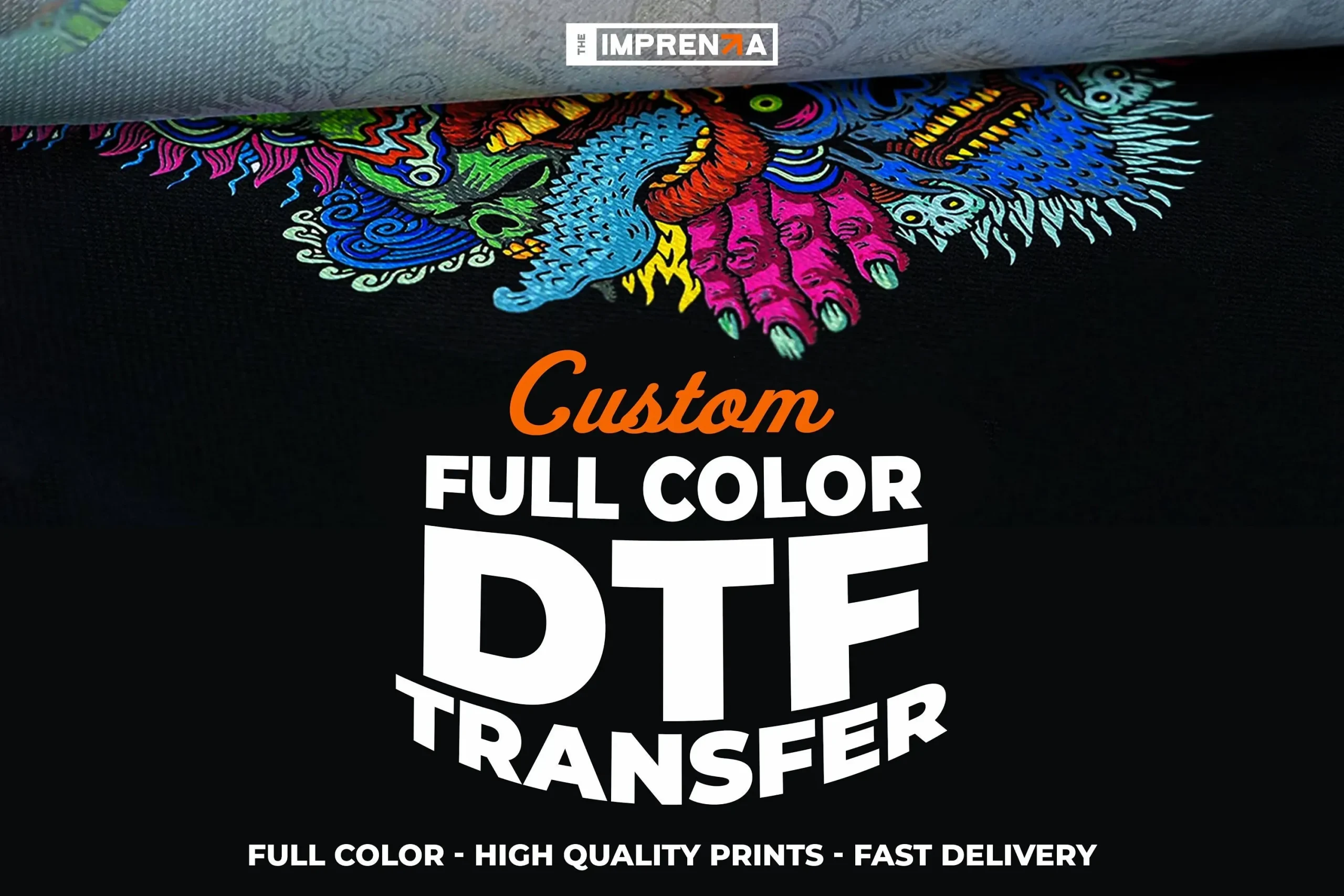
In the vibrant realm of garment printing, **DTF transfers** have emerged as a revolutionary technique that is redefining how custom apparel is created. Standing for Direct-to-Film transfers, this method is proving to be a game changer, offering high-quality, durable prints that appeal to both large manufacturers and independent clothing creators. By utilizing advanced DTF technology, artists and entrepreneurs can achieve vivid color output and intricate designs across a myriad of fabric types. Not only does DTF printing enhance the creative process, but it also aligns perfectly with the growing demand for personalized clothing solutions. This introductory overview sets the stage for a deeper dive into the myriad of advantages and market trends surrounding DTF transfers.
Often referred to as Direct-to-Film technology, this innovative garment printing process represents a significant leap in the customization capabilities for apparel. DTF printing employs a unique method that allows designs to be applied efficiently onto various textiles, making it accessible for a wide range of applications such as T-shirts, hoodies, and more. This technique thrives on transferring high-resolution images with exceptional color quality onto fabric, revolutionizing how businesses approach custom designs. With an emphasis on versatility and durability, DTF transfers open new doors for fashion enthusiasts looking to establish their brand identity or individuals eager to express their personal style. As we explore further, the advantages of DTF technology and its growing presence in the market will become evident.
Understanding the Basics of DTF Transfers
DTF transfers, or Direct-to-Film transfers, are revolutionizing the garment printing industry by offering a unique combination of flexibility and quality. This method involves printing a design onto a specially coated film, which can then be easily transferred to a variety of textiles using heat and pressure. Unlike traditional methods like Direct-to-Garment (DTG) printing, DTF technology allows for a more diverse application across multiple materials, including cotton, polyester, and blends. This versatility makes it an attractive option for businesses and individuals seeking to create custom apparel that meets diverse consumer needs.
The process begins with high-resolution images printed onto the DTF film using specialized pigment inks. Once the design is complete, an adhesive powder is applied, ensuring that vibrant colors are accurately transferred to the fabric. This efficient technique maintains intricate details, making it ideal for complex designs. As DTF transfers gain popularity, a range of options for printers and films have emerged, allowing creators to easily tap into the growing market for custom garments.
Key Advantages of DTF Printing
One of the most compelling advantages of DTF printing is its remarkable adaptability. The ability to print on various materials means that creators are not limited to simple T-shirts; they can extend their custom designs to hoodies, bags, and even home textiles. This flexibility caters to the growing demand for personalized apparel across various sectors, from fashion and sports to promotional items.
Additionally, DTF technology showcases exceptional color fidelity and durability in prints. It allows designers to achieve a broad spectrum of colors and sharp details, which is essential for producing eye-catching apparel. The soft finish of the prints does not compromise their longevity, as DTF transfers are designed to withstand multiple washes without fading or cracking, enhancing product quality and customer satisfaction.
Navigating the DTF Transfer Process
The DTF transfer process is streamlined yet intricate, designed to produce high-quality prints effectively. Initially, designers begin by selecting their desired graphics, which are printed on the specialized DTF film using advanced printers that utilize pigment inks. Following the printing, a heat-sensitive adhesive powder is sprinkled on the film, which plays a pivotal role in securing the printed design onto fabric.
After applying the adhesive, the film is heat-pressed onto the garment, activating the adhesive and ensuring a strong bond between the design and the fabric. This crucial step not only ensures that the graphic adheres well but also contributes to the vibrant colors and fine details that DTF transfers are renowned for. Understanding each aspect of this process allows businesses to optimize their operations and deliver superior products.
Exploring Market Trends in DTF Printing
The surge in demand for DTF transfers is indicative of a broader shift towards bespoke apparel solutions, with many consumers seeking unique, personalized designs. As we move further into the digital age, the accessibility of DTF printing equipment has paved the way for small businesses and creatives to capitalize on this trend, resulting in a vibrant marketplace. These shifts have been accelerated by the rise of social media and e-commerce platforms that champion custom apparel.
Moreover, the increasing variety in DTF printing supplies—from inks to films—accommodates different skill levels and business models, making it easier than ever for newcomers to dive into the custom printing industry. As more retailers begin to stock DTF materials, an educated consumer base emerges, leading to innovative designs and enhanced product offerings tailored to specific audience segments.
Challenges of Implementing DTF Technology
Despite its growing popularity, entering the DTF printing space presents some challenges, notably regarding the consistency of print quality. New users often find it daunting to achieve the desired results, as the intricacies of the process require a level of expertise and technological know-how. Potential print quality fluctuations may arise from varying equipment capabilities or improper calibration, emphasizing the importance of thorough training and practice.
Additionally, the initial investment for high-quality DTF printing equipment may deter some aspiring printers. However, for those committed to building a brand or hobby around custom apparel, this upfront cost often proves invaluable. Investing in reliable technology ensures that they can consistently produce high-quality garments that meet consumer expectations, fostering brand loyalty in a competitive market.
Innovations in DTF Printing Technology
The DTF printing industry is rapidly evolving, with ongoing innovations aimed at enhancing efficiency and print quality. Recent developments in ink formulation have significantly improved adhesion and durability, catering to the increasing demand for long-lasting prints. These advancements not only enhance user experience but also expand the creative possibilities for designers who wish to push the boundaries of style and textile combinations.
Additionally, the introduction of all-in-one DTF solutions has simplified the setup process for new users. These comprehensive systems integrate all necessary components, from printers to heat presses, streamlining the workflow from design creation to final product. As manufacturers continue to refine these technologies, the barrier to entry lowers, allowing an even wider range of individuals and businesses to leverage DTF printing in their operations.
Frequently Asked Questions
What are DTF transfers and how do they work?
DTF transfers, or Direct-to-Film transfers, involve printing a design onto a special film which is then heat-pressed onto fabric. This process combines vibrant color quality with durability, making it popular for custom apparel and garment printing.
What are the advantages of using DTF printing technology?
DTF printing offers numerous advantages, including versatility across various fabrics, high color vibrancy, and durable prints that maintain quality through multiple washes. These features make DTF transfers an excellent choice for custom apparel.
How does the DTF transfer process differ from Direct-to-Garment (DTG) printing?
While both DTF and DTG printing are methods for applying designs to textiles, DTF transfers involve printing on a film that can be applied onto a wide range of materials, offering broader versatility and often superior durability compared to DTG.
Are there any challenges associated with DTF transfers?
Yes, challenges in DTF printing include print quality variability, which may require particular printer technologies and calibration, and the initial investment cost for necessary DTF printing equipment. However, these are manageable with proper training and resources.
Why is there a growing market trend for DTF transfers in the custom apparel industry?
The increasing demand for unique, personalized clothing has propelled the popularity of DTF transfers, making both this technology accessible for small businesses and artists, and driving innovations in DTF print supplies and equipment.
What should beginners consider before starting with DTF transfers?
Beginners should consider investing in starter kits that include printers, DTF films, and adhesive powders. It's important to choose reliable suppliers for high-quality materials to ensure successful results in custom garment printing.
| Key Point | Description |
|---|---|
| What are DTF Transfers? | DTF transfers involve printing designs on a special film for transfer to fabric using heat and pressure, offering advantages over traditional methods. |
| The DTF Transfer Process | 1. Printing on DTF film, 2. Applying adhesive coating, 3. Heat pressing onto fabric to activate adhesive and transfer ink. |
| Advantages | Includes versatility across fabric types, vibrant color reproduction, and durability for long-lasting prints. |
| Market Trends | Growing demand since 2025, increasing availability of DTF equipment, and a rise in small business implementations. |
| Challenges | Print quality variability requiring specific equipment and initial investment for purchasing essential supplies. |
| Recent Innovations | Advancements in ink formulations and all-in-one solutions enhancing efficiency in the DTF printing process. |
| Getting Started | Starter kits now available with all necessary items for beginners to enter the DTF market. |
Summary
DTF transfers represent a revolutionary advancement in custom garment printing technology, providing an array of benefits ranging from versatility to superior print quality. As this innovative printing method gains traction, both businesses and creators are leveraging its capabilities to produce stunning, vibrant apparel. By understanding the process, advantages, and current trends surrounding DTF transfers, individuals can effectively harness this technology, ensuring they meet the growing demands of contemporary consumers. Whether you are an established brand or a solo artist, embarking on a journey with DTF transfers promises opportunities for creativity and success in the ever-evolving apparel industry.