
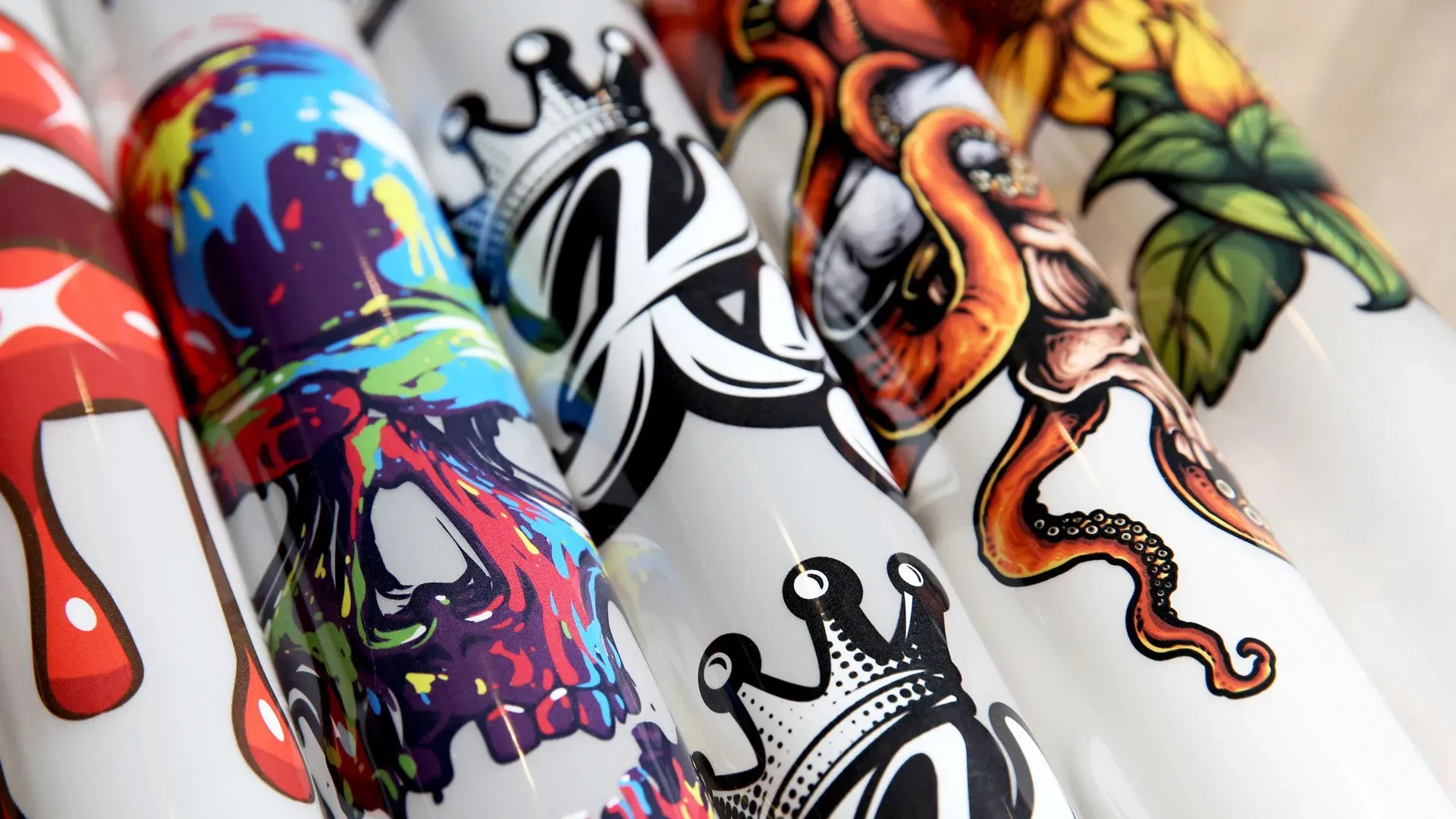
If you're exploring the vibrant world of garment printing, you'll quickly encounter the innovative method known as **DTF transfers**. Direct to Film (DTF) printing is revolutionizing the industry by allowing creators to produce high-quality, detailed designs on a variety of fabrics with ease. Whether you are a seasoned professional or a beginner interested in how to start DTF printing, this technique provides endless creative possibilities. In this guide, we'll delve into the advantages of DTF printing, what equipment you'll need to get going, and essential tips for ensuring your prints turn out perfectly. Get ready to unlock the potential of DTF transfers and elevate your fabric printing game!
When discussing **DTF printing**, also referred to as direct-to-film printing, we are talking about a cutting-edge process that enhances garment decoration through detailed designs transferred from a film onto fabric. This modern approach is not only user-friendly for individuals looking to explore DTF printing for beginners, but it also boasts numerous advantages, such as vibrant colors and durability, making it a highly sought-after method among crafters and businesses alike. As you learn about DTF printing equipment and the steps involved, you'll gain valuable insights into this innovative printing technique. By understanding different terminologies and processes related to direct-to-film applications, you can fully appreciate the transformative impact DTF printing can have on your projects.
Understanding DTF Transfers
DTF transfers, or Direct to Film transfers, have become a revolutionary technology in the garment printing industry. Unlike traditional techniques such as screen printing or heat transfer vinyl, DTF printing allows for advanced designs that exhibit exceptional detail and vibrancy. The process involves printing your artwork onto a specially coated film that is then adhered to the fabric using heat and pressure. This innovative method has quickly gained popularity among both hobbyists and professionals, with its ability to print on various fabric types, from cotton to polyester.
One of the most attractive features of DTF transfers lies in their versatility. The technology provides a wide range of creative possibilities, allowing users to print complex images and patterns that can’t be easily achieved with traditional methods. With the right setup, including specialized DTF printing equipment, you can produce high-quality prints that last. Additionally, this method reduces waste, making it an environmentally appealing choice for eco-conscious creators.
Essential Equipment for DTF Printing
To embark on your DTF printing adventure, acquiring the proper equipment is crucial. Central to the process is a modified inkjet printer. Unlike standard printers, DTF-compatible models are designed to handle specific DTF inks and films, ensuring optimal results for your designs. Additionally, obtaining high-quality DTF transfer film is necessary, as it allows the inks to bond effectively during the transfer process.
Apart from a reliable printer and film, you'll also require DTF adhesive powder. This element is essential as it helps bind the design to the fabric once heat is applied. Finally, a quality heat press machine is a must. This equipment facilitates the necessary temperature and pressure to ensure a successful transfer. Investing in the right DTF printing equipment can immensely enhance the quality and durability of your prints.
Getting Started with DTF Printing
The first steps in starting your DTF printing journey can set the tone for your success. A wise initial step is to practice with scrap material before tackling your major projects. This hands-on experience is invaluable as it helps you understand the right pressure and temperature settings needed on your heat press. Each fabric type may react differently during the transfer process, and experimentation with these settings will lead to better end results.
Investing in quality materials is also a critical factor in achieving excellent prints. Choose high-quality DTF films, inks, and adhesive powders, as these can significantly influence the finished product's aesthetic and longevity. While it may be tempting to opt for budget-friendly options, compromising on quality can lead to disappointing results and affect your learning curve adversely.
Advantages of DTF Printing
DTF printing offers numerous advantages that make it an appealing choice for newcomers and seasoned printers alike. One notable benefit is the vibrancy of the prints produced; DTF transfers are known for their striking color output and intricate detail, surpassing many traditional printing methods. This characteristic makes DTF particularly popular in fashion and custom merchandise, where vivid visuals are crucial.
Another significant advantage is the durability of the prints. DTF transfers exhibit strong resistance to fading, cracking, and peeling, which are common issues in many printing processes. This durability makes DTF printing not only a reliable option for personal projects but also an excellent solution for businesses aiming to produce high-quality wearables that stand the test of time.
Resources for Learning DTF Printing
For those looking to enhance their skills in DTF printing, a wealth of resources exists online. Video platforms like YouTube host countless tutorials that offer step-by-step instructions on creating stunning DTF transfers. These visual guides can be particularly helpful for beginners needing to grasp the intricacies of the printing process, equipment setup, and design strategies.
In addition to video tutorials, engaging with community forums and social media groups can vastly enrich your learning experience. Connecting with fellow enthusiasts and experts fosters an invaluable exchange of tips and techniques that may not be covered in conventional tutorials. These communities often share insights on troubleshooting common issues in DTF printing, which can accelerate your learning curve.
Market Trends in DTF Printing
The DTF printing market is showing promising trends as the demand for customized and unique clothing continues to rise. As more consumers seek personalized products, the versatility of DTF transfers makes them a go-to solution for many small business owners. Crafters and entrepreneurs are discovering the potential of DTF printing for creating bespoke wearables that align with individual customer preferences.
Emerging technology is continuously changing the landscape of DTF printing. Innovations, such as eco-friendly inks and faster production methods, are enhancing the appeal of DTF transfers. These advancements make DTF printing not only accessible to hobbyists but also a competitive option for professionals looking to expand their product offerings. As industry studies indicate, this upward trend in customization indicates a sustained interest in DTF technology for the foreseeable future.
Frequently Asked Questions
What are DTF transfers and how do they work?
DTF transfers, or Direct to Film transfers, involve printing designs onto a special film which is then transferred to fabric using heat and pressure. This method allows for detailed and vibrant prints on a variety of materials, making it a popular choice for garment printing.
What DTF printing equipment do I need to start?
To start DTF printing, you'll need a modified inkjet printer designed for DTF use, DTF transfer film, adhesive powder, and a heat press. Each piece of equipment plays a crucial role in achieving high-quality prints.
What are the advantages of using DTF printing compared to other methods?
DTF printing offers several advantages including versatility across different fabrics, vibrant color output, and enhanced durability. Unlike traditional methods, DTF prints are less likely to fade or crack over time, making them suitable for both personal and commercial projects.
How can beginners get started with DTF printing?
Beginners can start DTF printing by practicing on scrap fabric to understand pressure and temperature settings, investing in high-quality materials, and utilizing online resources such as video tutorials and community forums for learning and support.
Are there any specific DTF printing tips for beginners?
Yes, beginners should focus on practicing with different materials to learn their reactions during the transfer process, select quality DTF films and powders, and actively engage in online communities for tips and troubleshooting.
What is the future outlook for DTF transfers in the printing industry?
The future of DTF transfers looks promising as customization continues to grow in demand. Advancements in DTF printing technology, such as eco-friendly inks and faster production times, are making these methods more accessible for both hobbyists and businesses.
| Aspect | Details |
|---|---|
| What is DTF Printing? | Direct to Film (DTF) printing is a method where designs are printed on a special film, then transferred to fabric using heat and pressure. |
| Equipment Needed | 1. Printer (inkjet designed for DTF) 2. Special DTF transfer film 3. Adhesive powder 4. Heat press |
| Advantages of DTF Transfers | - Versatile across multiple fabrics - Vibrant colors and intricate details - Durable against fading and peeling |
| Getting Started Steps | 1. Practice on scrap pieces 2. Invest in quality materials 3. Utilize online resources (tutorials, forums) |
| Market Trends | Growing demand as customization rises, making DTF printing increasingly popular for small business and hobbyists alike. |
Summary
DTF transfers are revolutionizing the world of fabric printing, providing a comprehensive solution for creating high-quality designs. By utilizing the latest technology and adhering to best practices, beginners can easily embark on their DTF printing journey with the right tools and materials. The versatility, vibrancy, and durability of DTF transfers make them an exceptional choice for both personal projects and commercial ventures. As the market evolves, the potential for DTF printing continues to grow, promising exciting opportunities for those looking to express their creativity in the textile industry.