
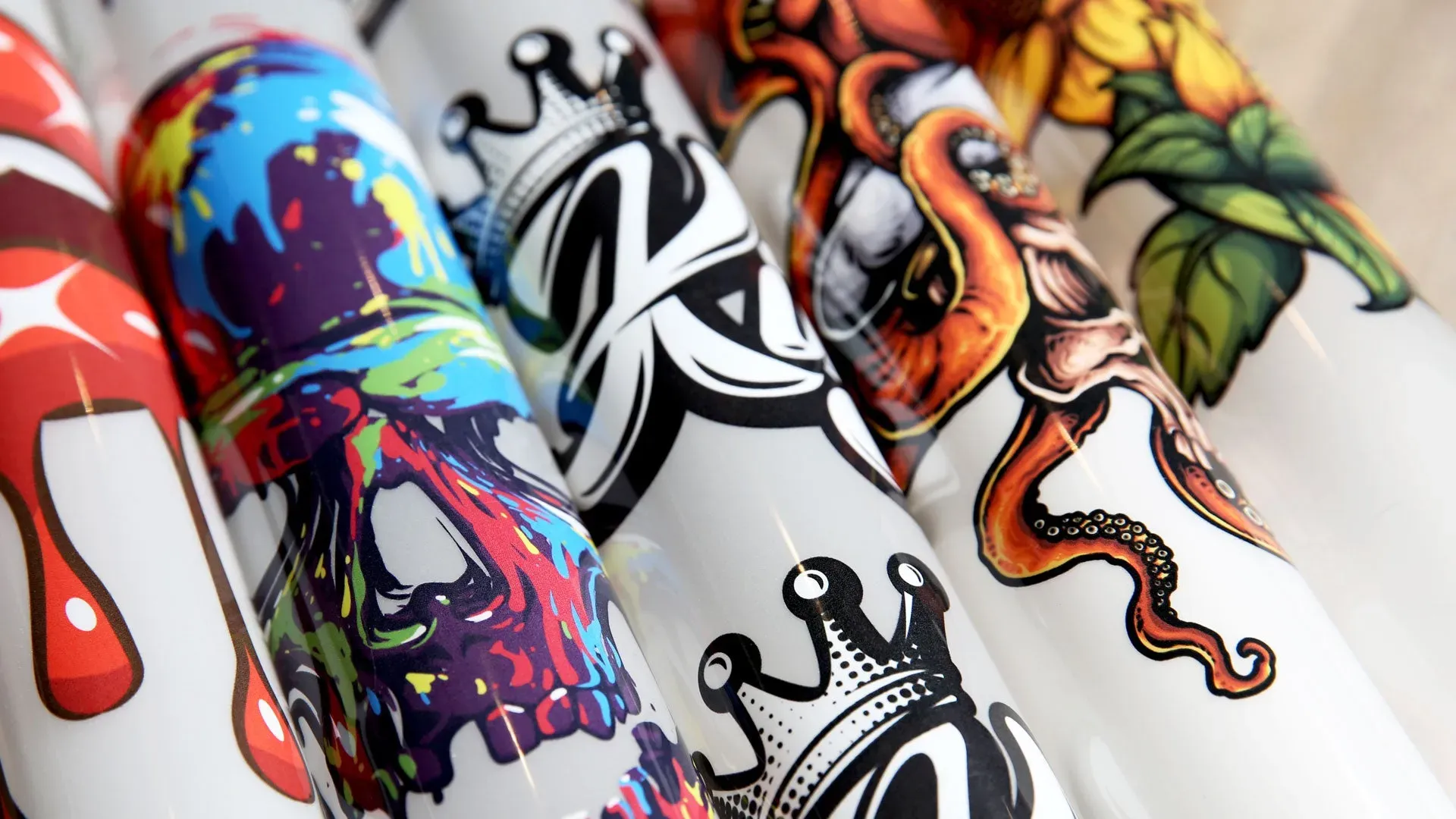
In the rapidly evolving landscape of custom apparel printing, **DTF transfers** have carved out a significant niche, standing toe-to-toe with traditional methods such as Direct-to-Garment (DTG), screen printing, and heat transfer vinyl (HTV). This innovative technique, which involves transferring vibrant designs onto fabric through a heat-and-pressure application, promises high-quality results suitable for a plethora of materials. As demand for personalized clothing surges, so too does the appeal of DTF printing, thanks to its flexibility and efficiency compared to older print methods. Transitioning away from more conventional approaches like DTG and screen printing, many businesses are discovering that DTF can deliver remarkable detail and durability without the high setup costs associated with mass production. For those seeking to elevate their custom apparel offerings, exploring the potential of DTF transfers is a step toward achieving superior results that resonate with today's fashion-savvy consumers.
The realm of textile decoration has been enriched by the introduction of Direct-to-Film (DTF) printing, which offers an alternative to established practices such as screen printing and digital garment printing. Known for its ability to produce detailed, vibrant images, DTF serves as an efficient method for transferring designs onto various types of textiles. This modern printing solution is gaining traction for its versatility, making it ideal for small businesses and startups looking to create custom apparel with ease. Unlike traditional heat transfer vinyl or screen printing, DTF empowers users with the ability to print complex graphics while maintaining cost-effectiveness. As the industry leans towards innovative technologies, understanding the merits of DTF transfers becomes essential for anyone involved in the custom printing market.
Understanding the Mechanism of DTF Transfers
Direct-to-Film (DTF) transfers employ a unique process where special inks are printed onto a film, which is then heat-pressed onto the fabric. This technique stands out for its ability to produce vibrant graphics with intricate details, making it an ideal choice for those who prioritize high-quality imagery in custom apparel. Unlike Direct-to-Garment (DTG) printing, which directly applies ink onto the garment, DTF transfers allow for longer shelf life of printed designs and the flexibility to work on various fabric types, expanding its usability across different market segments.
Moreover, the DTF method presents an efficient solution for both small and large production runs. As the popularity of custom apparel increases, businesses are embracing DTF due to its quick turnaround time and relatively low setup costs compared to screen printing. This fosters a more accessible entry point for new brands and small enterprises looking to make their mark without substantial financial risk.
DTF Transfers vs. Screen Printing: A Comparative Analysis
Screen printing has long been the go-to method for creating high-volume prints due to its economical pricing in bulk. However, it has limitations in terms of design complexity and color-variety; adjustments to designs can lead to increased costs and longer lead times. In contrast, DTF transfers not only allow a wide spectrum of colors but also enable the use of complex multicolor designs without the need for endless screens. This versatility makes DTF a superior option for businesses seeking detailed, high-resolution graphics.
Furthermore, durability assessments reveal that DTF transfers often withstand wear and laundering better than screen printed designs. This performance enhances customer satisfaction and loyalty, as apparel maintains its vibrant appearance even after multiple washes. Thus, for retailers focusing on both quality and client retention, DTF stands as a compelling alternative to traditional screen printing methods.
The Cost-Effectiveness of DTF Transfers
When evaluating printing methods, cost is a critical factor. DTF transfers generally incur lower initial costs than many screen printing setups that require costly screens and heavy machinery. For smaller or on-demand orders, the DTF method proves to be economical, allowing brands to keep their financial overhead low while still providing high-quality prints. This affordability presents an attractive business model for startups and small brands looking to capitalize in the competitive custom apparel market.
Additionally, the adaptability of DTF printing means that businesses can easily pivot between different designs without significant losses in efficiency or costs. As consumers increasingly demand personalized products, the financially savvy approach provided by DTF transfers allows businesses to meet consumer needs without overextending their budgets, which is often the case with traditional methods.
Quality and Durability: DTF Transfers Outperform Other Methods
Quality and durability are paramount in the custom apparel industry, and studies indicate that DTF transfers have a significant edge over traditional methods like DTG and heat transfer vinyl. DTF’s application through heat and pressure ensures that colors remain vibrant, while the ink adheres firmly to the fabric, enhancing resilience against fading and cracking. As a result, the longevity of DTF prints is a major selling point for brands focused on providing top-tier products.
In harsh testing conditions, DTF transfers have demonstrated superior performance in maintaining integrity after numerous washes, unlike other printing processes. This newfound durability caters to consumers who are not only looking for aesthetic appeal but also for reliability. Brand owners looking to highlight their commitment to quality can greatly benefit by opting for DTF transfers in their production processes.
Environmental Impact: The Sustainability of DTF Printing
As sustainability becomes increasingly vital in consumer choices, the environmental footprint of printing methods cannot be overlooked. DTF transfers utilize eco-friendlier inks and fewer harmful chemicals compared to traditional screen printing practices known for their wastefulness. This shift towards green technologies is attractive for brands keen on appealing to a growing demographic that prioritizes sustainability alongside quality in their purchasing decisions.
Moreover, by adopting DTF transfer techniques, businesses can partially alleviate the environmental impact of textile production. As manufacturers strive to reduce their ecological footprint, the introduction of sustainable practices in the printing phase reinforces corporate responsibility and transparency, critical factors in building customer trust and loyalty in the modern market.
Future Trends: The Evolution of DTF Printing
The custom apparel landscape is swiftly evolving, with DTF printing at the forefront of innovation. Recent developments in DTF technology, including improved printers and ink formulations, promise even greater quality and efficiency. As the demand for unique and customized apparel continues to rise, DTF printing is positioned to expand its footprint in the industry, attracting both new businesses and established brands alike.
Looking ahead, advancements in DTF techniques are expected to streamline operations further, making it easier for businesses to scale while maintaining exceptional print quality. The ability to produce personalized items swiftly without sacrificing quality makes DTF printing a vital player in the future of custom apparel, solidifying its importance in an ever-evolving marketplace.
Frequently Asked Questions
What are DTF transfers and how do they compare to DTG printing?
DTF transfers, or Direct-to-Film transfers, involve printing designs onto a film layer, which is then heat-pressed onto fabric, delivering vibrant, high-quality results. Unlike DTG (Direct-to-Garment) printing that uses inkjet technology for direct application onto fabric, DTF can be applied to various materials and is often more efficient for small to medium runs, making it a versatile option for custom apparel.
How does DTF printing fare against screen printing in terms of cost and quality?
DTF printing offers competitive cost efficiency, especially for smaller production runs where the setup costs of screen printing can be prohibitive. In terms of quality, DTF transfers are known for their durability and vibrant color reproduction, often surpassing screen printing for intricate designs and smaller orders, making DTF an attractive alternative.
Can DTF transfers be used on different fabric types compared to heat transfer vinyl (HTV)?
Yes, DTF transfers can be used on a variety of fabric types, including cotton, polyester, and blends, which offers greater versatility compared to heat transfer vinyl (HTV) that is often limited in its application range. This flexibility makes DTF a preferable choice for custom apparel printing across different textiles.
What are the advantages of using DTF transfers over traditional heat transfer vinyl?
DTF transfers provide several advantages over heat transfer vinyl, including the ability to create more intricate designs with rich color blends. While HTV is great for simple, bold graphics, DTF excels in its user-friendliness, detail capabilities, and overall durability, making it a superior option for high-quality custom apparel.
Is DTF printing environmentally friendly compared to other methods like screen printing?
DTF printing can be considered more environmentally friendly as it often utilizes sustainable materials and inks, aiming to reduce waste and chemical use in production. In contrast, traditional screen printing practices have drawn criticism for their environmental impact, making DTF an appealing choice for eco-conscious brands in custom apparel.
What market trends are influencing the popularity of DTF transfers in custom apparel?
The rise in demand for personalized clothing and custom designs is significantly driving the popularity of DTF transfers in the custom apparel market. As printing technology advances, more businesses are adopting DTF methods to meet customer expectations for high-quality and efficient outputs, solidifying DTF's role as a key player in apparel printing.
| Printing Method | Quality | Durability | Cost Efficiency | Ease of Use | Environmental Impact |
|---|---|---|---|---|---|
| DTF Transfers | High-quality vibrant images | Durable and resistant to washing | Cost-effective for small/medium runs | User-friendly, accessible for beginners | Sustainable materials and inks |
| DTG Printing | Great for intricate designs | Works best with cotton; may fade | Limited to small runs; costly for bulk | Requires technical expertise | May use harmful chemicals |
| Screen Printing | Good quality for bulk production | Long-lasting prints | Economical for high volumes | Complex process with setup costs | Environmental concerns due to waste |
| Heat Transfer Vinyl (HTV) | Decent for simple designs | May peel or crack over time | Costly for detailed designs | Simple process for DIYers | Limited recycling options |
Summary
DTF Transfers have emerged as a versatile and efficient option in the apparel printing landscape, providing high-quality and durable results across various fabric types. With a focus on user-friendliness, cost efficiency for smaller runs, and environmental sustainability, DTF presents a compelling alternative to traditional methods such as DTG, screen printing, and HTV. As the demand for personalized designs continues to grow, understanding the distinct advantages of DTF Transfers will empower businesses to make informed choices that align with their creative goals and operational needs.