
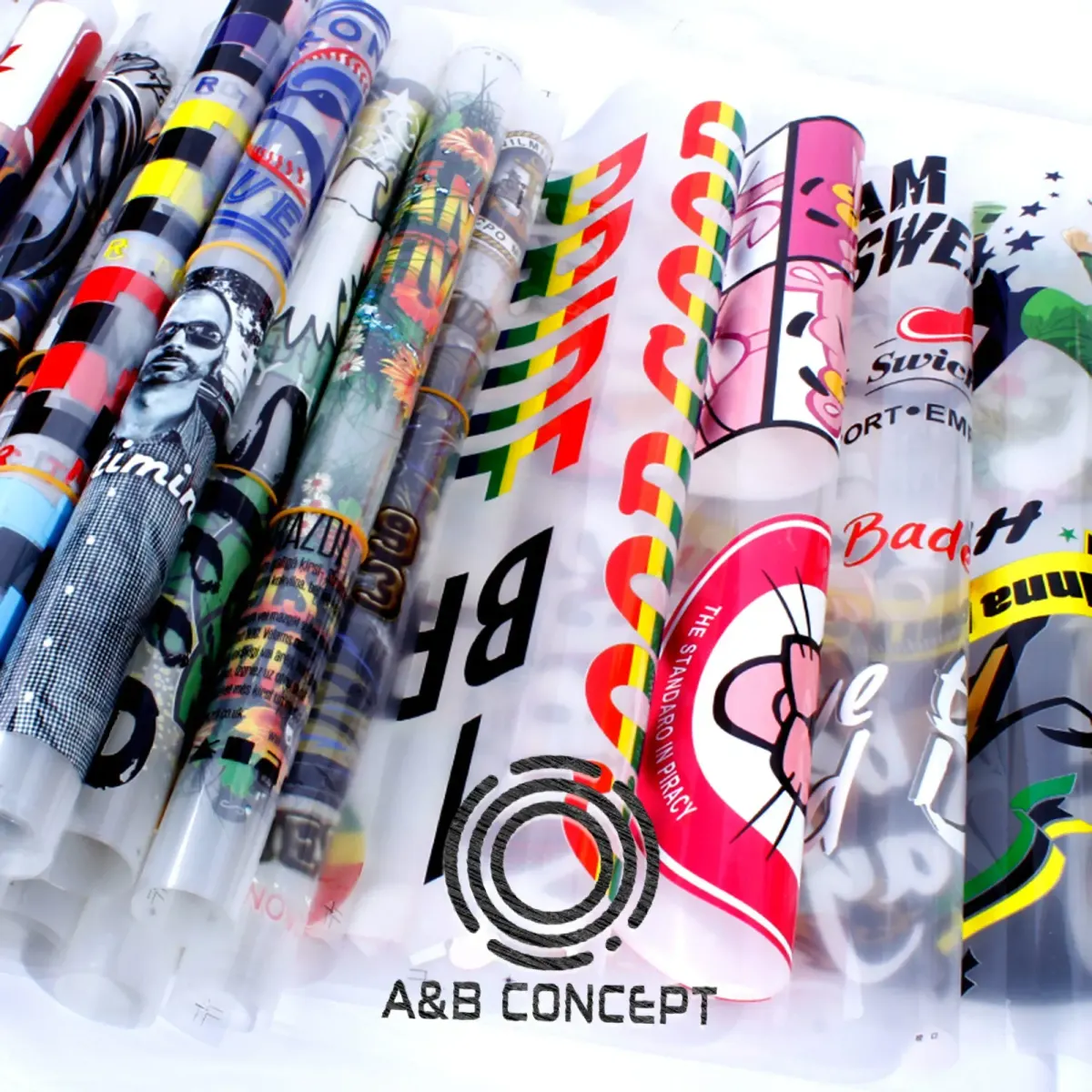
DTF transfers, also known as Direct to Film transfers, are transforming the landscape of customizable apparel by enabling vivid, long-lasting designs on various fabrics. This cutting-edge DTF printing technology allows users to print their artwork onto specialized films, which can then be heat-pressed onto clothing, resulting in stunning, detailed graphics that pop. For beginners asking how to do DTF transfers, this introduction serves as a guide through the essential techniques and processes involved in DTF transfer creation. With beginner tips for DTF printing included, you’ll be equipped to tackle any project with confidence from the get-go. Dive into our ultimate guide and discover the fascinating world of DTF transfer printing, where creativity knows no bounds.
Direct to Film printing is an innovative method for transferring designs onto textiles, ideal for creating vibrant, custom apparel. This technology stands apart from traditional methods, allowing prints to maintain their quality even after numerous washes, making it a preferred choice for many garment decorators. If you’re curious about the DTF transfer process or looking for effective DTF transfer techniques, you’re in the right place. This guide not only highlights the essentials for beginners but also offers a wealth of knowledge on how to achieve the best results with your printed designs. Get ready to unleash your creativity and make your mark in the world of textile printing.
Understanding the Basics of DTF Printing
DTF (Direct to Film) printing has rapidly gained popularity among enthusiasts and professionals alike due to its simplicity and effectiveness. Unlike traditional transfer methods that may involve a more complex setup, DTF printing allows for the application of intricate designs straight onto films, which are then easily transferred to fabrics. As a beginner, grasping the fundamental aspects of how DTF printing works is essential. This technique not only provides durable prints but also ensures vivid colors that pop against varying fabric backgrounds.
Getting started with DTF printing necessitates a basic understanding of the various elements involved in the process. This includes recognizing the significance of the transfer films and adhesive powders, which play pivotal roles in achieving high-quality outputs. Familiarizing yourself with these components lays the groundwork for a successful DTF printing venture. Additionally, embracing the capabilities of DTF technology opens up a world of possibilities for custom apparel that can cater to diverse demands, making it a favored choice among budding designers.
Essential Equipment for DTF Transfers
To embark on your DTF transfer journey effectively, having the right equipment at your fingertips is crucial. Key items include a suitable printer capable of handling DTF inks, specialized transfer films, adhesive powders, and a heat press machine. Investing in a printer specifically designed for DTF can yield the best results, but with proper adjustments, standard inkjet printers can also suffice. Understanding the intricacies involved in selecting your tools will significantly enhance your printing experience and outcomes.
Additionally, your choice of heat press machine can make or break your DTF transfers. A quality heat press with adjustable settings for temperature and pressure will give you greater control during the transfer process. This is particularly important when dealing with various fabric types, as each may require slight adjustments to achieve the best results. As a beginner, ensuring you are well-equipped will promote confidence in your DTF printing endeavors.
The Step-by-Step DTF Transfer Process
The DTF transfer process consists of several critical steps that beginners should meticulously follow to ensure success. Starting with high-quality prints, it's essential to print your design on the DTF transfer film using a printer capable of applying a white base layer. This preventive measure enhances color vibrancy and is especially important when printing on darker fabrics. Understanding and mastering this step paves the way for producing striking visuals.
Once you've printed your design, the next phase involves applying adhesive powder to the wet ink. This step must be executed promptly for the adhesive to properly bind to the ink. Heat curing the adhesive is another crucial process, as it solidifies the bond between the film and the ink, setting the stage for a perfect transfer. With each step being vital to the overall success, beginners should focus on perfecting these elements in their DTF transfer process.
Beginner Tips for Successful DTF Printing
As with any new endeavor, starting with DTF printing can come with its challenges. However, there are several beginner tips that can streamline the learning process and enhance the quality of your outputs. For instance, testing your setup on scrap fabrics allows you to fine-tune your temperature and pressure settings without wasting materials. Experimenting with various adhesive powders and inhale types can also lead to discovering the perfect combination that yields the best results.
Moreover, engaging with the DTF printing community can provide invaluable insights and support. Online forums, social media groups, and workshops are excellent avenues to connect with fellow DTF enthusiasts who can share their experiences and solutions to common problems. Staying informed about the latest trends and advancements in DTF technology is crucial, and leveraging the collective knowledge of these communities will help you stay ahead in your printing journey.
Common Challenges in DTF Transfers and Solutions
While DTF transfers are an exciting and rewarding venture, beginners may encounter a few challenges along the way. One common issue is poor adhesion, which can stem from inadequate curing of the adhesive or incorrect application of the powder. To combat this, ensure that you are thoroughly following the curing process and evenly distributing the adhesive powder on the wet ink. Regular practice will help in mastering these areas, leading to better overall results.
Another challenge beginners face is the color vibrancy of the final print. If colors appear dull or washed out, it’s advisable to revisit the printing settings on the printer, including resolution and ink saturation. Investigating the compatibility of your transfer film with the inks being used can also offer solutions, as certain films are better suited for specific inks. By addressing these challenges with targeted strategies, you’ll enhance the quality of your DTF transfers significantly.
Exploring Advanced DTF Transfer Techniques
Once you feel comfortable with the basics of DTF transfers, you may wish to delve into more advanced techniques that can elevate your printing game. Techniques such as layering designs, experimenting with multiple colors, and introducing textures to your prints can open up numerous creative avenues. Mastering advanced DTF printing can lead to unique results that set your products apart in the competitive custom apparel market.
Moreover, exploring different fabric types and their compatibility with DTF transfers can lead to discovering new markets and customer bases. By understanding the nuances that different materials present, you can craft designs that resonate with diverse audiences. Continuously enhancing your skills through research and practice will not only refine your technique but also contribute to your growth as a DTF printing expert.
Frequently Asked Questions
What are DTF transfers and how do they work?
DTF transfers, or Direct to Film transfers, involve printing designs on special films and then transferring them to fabrics using heat and pressure. This innovative process allows for vibrant, durable images that adapt well to various textiles, making it a preferred method for customized clothing.
What equipment is needed for DTF printing?
To start with DTF printing, you will need a compatible printer (preferably one that can print white ink), DTF transfer films, adhesive powder, and a quality heat press machine. Each of these components plays a critical role in ensuring successful DTF transfers.
Can I use a standard inkjet printer for DTF transfers?
Yes, you can utilize a standard inkjet printer for DTF transfers after making the necessary modifications, such as ensuring it can print with white ink. This adaptation is vital for achieving high-quality results, especially on darker fabrics.
What are some beginner tips for DTF printing?
For beginners, it’s crucial to experiment with your printer settings based on different fabrics to achieve optimal results. Always conduct test prints on scrap fabric and engage with the DTF printing community for shared tips and advice.
What is the importance of the adhesive powder in the DTF transfer process?
Adhesive powder is essential in the DTF transfer process as it binds the printed design to the fabric. After printing the design on the film, this powder is sprinkled over the wet ink and cured, ensuring strong adhesion and longevity of the transfer.
How do I achieve the best results when using DTF transfer techniques?
To achieve the best results with DTF transfer techniques, ensure you are using high-quality materials, experiment with heat press settings (temperature, pressure, and timing) tailored to fabric type, and regularly engage in quality control through test prints.
| Section | Key Points |
|---|---|
| Introduction to DTF Transfers | DTF printing is a revolutionary method that creates high-quality, durable prints on various fabrics. |
| Equipment Needed | Key components include a printer that can print white ink, DTF transfer films, adhesive powder, and a heat press machine. |
| Design Preparation | Use graphic design software to prepare designs at a resolution of at least 300 DPI. |
| DTF Printing Process | The process involves printing with white ink, applying adhesive powder, curing, heat transferring, and peeling. |
| Tips for Success | Experiment with settings, conduct quality control tests, engage with the DTF community, and stay updated with trends. |
Summary
DTF Transfers represent a remarkable innovation in garment printing, providing an accessible and effective way for beginners to customize their apparel. By understanding the fundamentals—such as the necessary equipment, preparation techniques, and meticulous printing processes—individuals can achieve stunning results that last. As best practices are implemented and community resources are tapped into, aspiring DTF printing enthusiasts will find their artistic capabilities flourishing. Embracing DTF Transfers not only opens the door to creative expression but also establishes a solid foundation for mastery in the expanding world of fabric printing.