
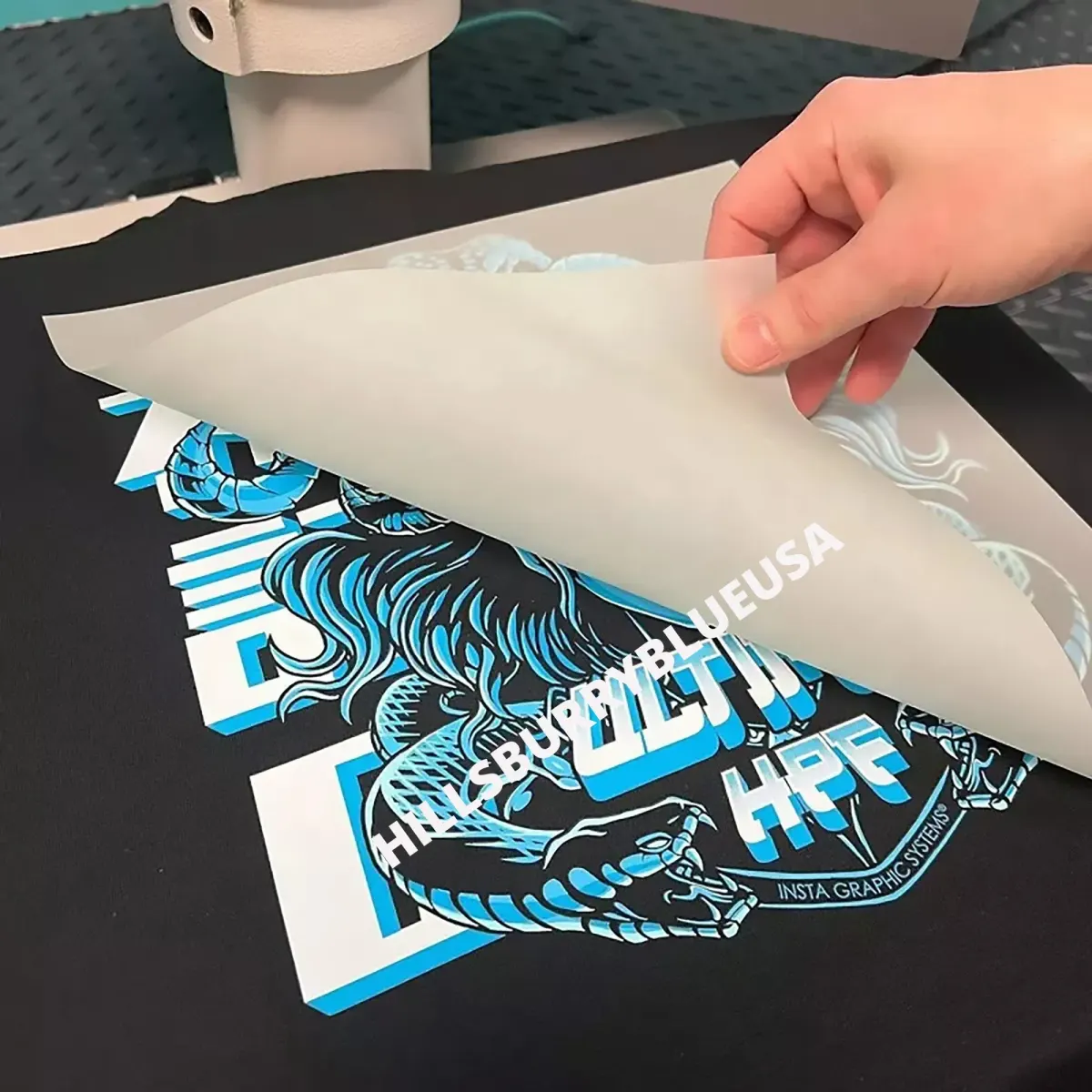
DTF transfers, or direct-to-film transfers, are revolutionizing the way crafters and textile artists create custom apparel and designs. This innovative printing technique allows for vibrant, high-quality visuals that can be applied to a variety of fabric types, making it a favorite among hobbyists and professionals alike. For those diving into DTF printing for beginners, understanding the essential steps and techniques is crucial for achieving perfect DTF designs. With the right tools and DTF printing tips, even novices can produce stunning results that stand out in any wardrobe. In this guide, we will explore beginner DTF techniques and unveil the secrets to mastering DTF transfers with ease.
Direct-to-film transfers represent a fresh approach to creating custom graphics for textiles and apparel, combining the latest printing technology with user-friendly methods. Often referred to as DTF, this process is increasingly popular among hobbyists and entrepreneurs looking to produce high-quality, durable designs that can be easily applied to various surfaces. As interest grows in this printing method, many are seeking effective ways to learn how to print DTF, often starting with essential educational resources aimed at beginners. From selecting the best materials to perfecting application techniques, mastering the art of direct-to-film printing can lead to impressive results. Whether you're an artist or a small business owner, exploring the versatility and potential of this innovative method can unlock creative possibilities.
Understanding DTF Printing Essentials
DTF printing, or Direct to Film printing, is a revolutionary method that allows designers to transfer high-quality images onto fabrics. The process involves printing designs on a specialized film using DTF-compatible inks, which are then transferred to textiles using heat and pressure. This method not only results in vibrant and detailed prints but also offers superior durability compared to traditional printing methods. For beginners, understanding the components and how they work together is crucial for achieving the best results.
An essential part of DTF printing is choosing the right printer and materials. It's recommended that beginners invest in a quality DTF printer that supports the specific inks and films needed for this process. Additionally, selecting high-quality DTF films and adhesive powders plays a significant role in the outcome of your prints. The better the materials you use, the more professional and long-lasting your designs will be.
Frequently Asked Questions
What is DTF printing for beginners and how does it work?
DTF printing, or Direct to Film printing, is a method where designs are printed on a special film using DTF inks. This film is then applied to fabric using heat and pressure, resulting in vivid and durable prints. Ideal for beginners, this technique allows for versatility across different materials, making it a popular choice for custom apparel and textiles.
How do beginners start with DTF printing?
Beginners can start with DTF printing by selecting a reliable DTF printer and high-quality DTF films. Begin by preparing your design in graphic software, printing it onto the film, and applying adhesive powder. Finally, use a heat press to transfer the design onto your chosen fabric, following the recommended temperatures and timings.
What are some essential DTF printing tips for beginners?
For beginners, essential DTF printing tips include investing in quality materials, experimenting with various fabric types, and optimizing printer settings for the best output. Joining online DTF communities can provide valuable insights and support as you enhance your skills in DTF transfers.
What are perfect DTF designs and how can I create them?
Perfect DTF designs should be vibrant and have the correct dimensions for your fabric. To create them, ensure your artwork is high-resolution, properly sized, and flipped horizontally before printing. Testing designs on different materials will help you find the best results.
How can I improve my DTF printing techniques as a beginner?
Beginner DTF techniques can be improved by practicing consistently, learning from online resources, and engaging with fellow DTF enthusiasts. Experimenting with different printer settings and fabric types will allow you to understand the nuances of DTF printing better.
What materials do I need for successful DTF transfers?
Successful DTF transfers require a quality DTF printer, DTF films, transfer adhesive powder, and a reliable heat press. Using high-quality inks and films is crucial for achieving vibrant colors and durable designs in your final product.
| Key Points | Details |
|---|---|
| What is DTF Printing? | A process where designs are printed on film and transferred to fabric with heat and pressure. |
| Key Components | DTF Printer, DTF Films, Transfer Adhesive Powder, Heat Press. |
| Step 1: Preparing Your Design | Use graphic design software to create and size your design appropriately. |
| Step 2: Printing the DTF Film | Load film into printer and optimize settings for quality output. |
| Step 3: Applying the Adhesive Powder | Sprinkle adhesive powder over the warm printed film evenly. |
| Step 4: Heat Setting the Design | Cure the adhesive powder with a heat press for 15-30 seconds. |
| Step 5: Positioning Your Design | Heat the fabric and position the DTF film ink-side down. |
| Step 6: Transferring the Design | Press with firm pressure for 10-20 seconds and remove the film while warm. |
| Step 7: Post-Transfer Finishing Touches | Cool the design and optionally press again for durability. |
| Tips for Beginners | Experiment with fabrics, engage in communities, and don't rush the learning process. |
Summary
DTF transfers are a revolutionary method for producing high-quality custom designs on fabrics and textiles. This printing style has gained immense popularity, particularly among beginners who wish to create vibrant, durable prints for apparel. By understanding the basics of DTF printing—including the necessary components and each step in the process—beginners can confidently navigate their printing journey. Investing in quality materials, practicing regularly, and staying engaged with the DTF community are essential strategies for achieving success in this artistic endeavor. Through experimentation and dedication, anyone can harness the potential of DTF transfers to unlock their creative expression.