
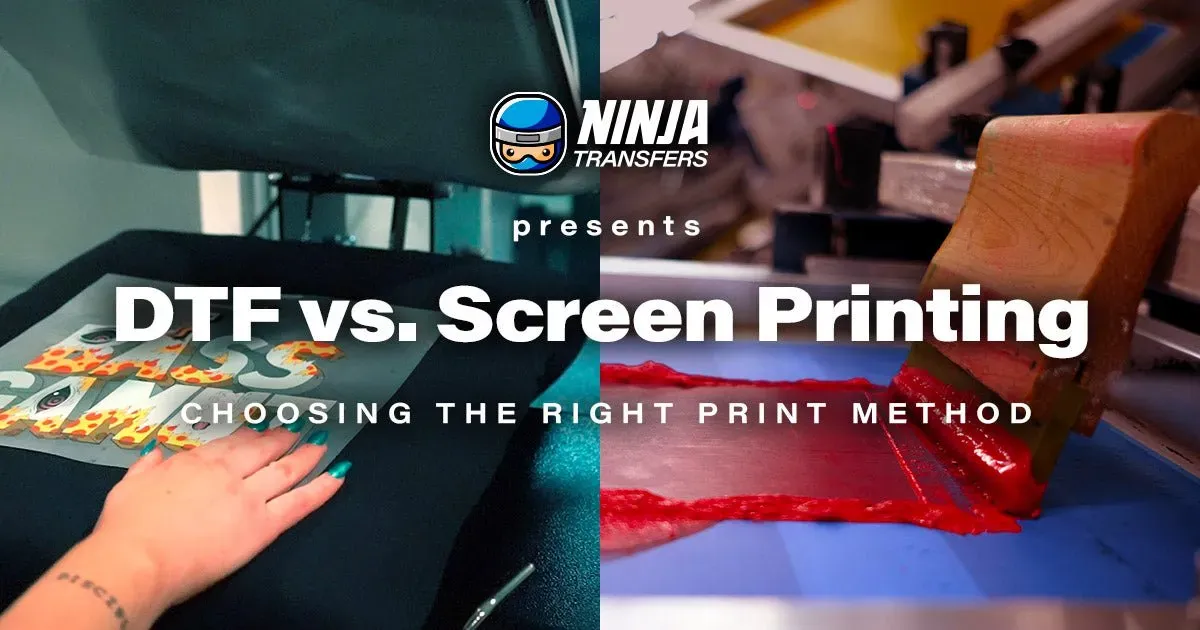
In the dynamic realm of custom apparel printing, understanding the differences between DTF transfers and screen printing is essential for businesses aiming to stand out. DTF Transfers vs Screen Printing presents two distinct approaches, each with its own set of unique benefits and applications. While screen printing is renowned for its durability and vibrant colors, DTF printing offers unparalleled versatility and speed, making it an attractive option for modern custom designs. This detailed comparison will guide you through the DTF transfer benefits and screen printing advantages, helping you identify the best solution for your specific needs. Whether you prioritize cost-effectiveness or exceptional quality, knowing these techniques can significantly enhance your business's printing capabilities.
When it comes to decorating fabrics, two popular methods—digital transfer printing and traditional stencil printing—are often on the minds of entrepreneurs in the apparel industry. Digital transfer printing, specifically DTF transfers, has emerged as a preferred choice for those seeking fast and flexible printing options that cater to intricate designs. Conversely, traditional stencil printing, commonly known as screen printing, remains a reliable method for producing bold and lasting prints, particularly for larger quantity orders. Understanding these two methods not only aids in selecting the most suitable option for your projects but also keeps you informed about the latest trends in custom apparel production. As the demand grows for high-quality, unique designs, knowing the nuances of these printing techniques becomes increasingly important for any business in the market.
Understanding the Basics of DTF Transfers
DTF transfers, or Direct to Film transfers, represent a revolutionary method in custom apparel printing, allowing businesses to print high-quality designs with intricate details. The process begins with printing the desired design onto a specialized film that is preferred for its durability and versatility. After printing, the design is coated with a special adhesive powder that helps in the transfer. This method has become increasingly popular among garment decorators due to its excellent color vibrancy and ability to adhere to a wide range of fabrics, including dark materials, which was traditionally challenging for many printing techniques.
One of the key advantages of DTF transfers is the speed of production. Since no extensive setup is required, businesses can quickly switch designs without the lengthy processes associated with screen printing. This agility makes DTF a favored choice for orders requiring customization or small batches, where other printing methods may be less economical. The adaptability of DTF technology enables brands to offer personalized apparel that caters to the ever-evolving demands of consumers.
In-Depth Look at Screen Printing Advantages
Screen printing is renowned for its durability and vivid color output, making it an ideal choice for producing bold and striking designs on fabric. The process involves creating a stencil for each color in the design, allowing for heavy ink laydown that can withstand repeated washing and extended wear. Companies favor screen printing for large production runs due to its cost efficiency; the more you print, the lower the unit cost, which is particularly advantageous for large orders and classic designs that remain in demand.
While screen printing excels in producing designs with a limited color palette, it can struggle with intricate prints that require fine details and gradients. However, its ability to create textured designs that stand out from the fabric is unrivaled. Many businesses leverage screen printing for promotional items and merchandise where durability and long-term visibility are paramount, ensuring that artwork remains vibrant throughout the garment's life.
Cost Comparison: DTF Transfers vs Screen Printing
When assessing cost for custom apparel printing, DTF transfers often present a more budget-friendly option for smaller runs. The minimal setup required for DTF allows businesses to produce fewer garments without incurring high per-unit costs. Moreover, DTF printing eliminates some of the expenses associated with screen printing, such as screen preparation, which can be costly and time-consuming, especially for varying designs. This flexibility enables businesses to cater to niche markets and meet customer demands swiftly.
In contrast, screen printing, while potentially more expensive for smaller orders, reveals its strength in larger runs. The initial workload may be high, but as quantities increase, the per-item cost decreases dramatically. For businesses looking to stock inventory with fewer design changes, screen printing provides a reliable and economically sound approach. Understanding the total cost implications of each method ensures companies can make informed decisions that align with their specific production needs.
Quality Assessment of DTF Transfers and Screen Printing
Quality in apparel printing can greatly influence customer satisfaction, and both DTF transfers and screen printing have their unique strengths. DTF printing produces highly detailed and vibrant images that are soft to the touch, offering comfort alongside visual appeal. The ability to print directly onto films allows for stunning graphics that remain sharp and colorful on various fabrics, including polyester blends and dark materials. As consumer preferences lean towards high-quality personalized apparel, DTF technology stands out as a solution that meets these modern demands.
Screen printing, on the other hand, delivers exceptional durability, particularly for designs that require a limited color palette. The thick inks used in screen printing create a texture and depth in designs that many garment decorators and customers find appealing. This method is best suited for cotton-based fabrics, where the durability can withstand multiple washes without compromising the artwork's integrity. For businesses focused on creating lasting impressions, screen printing continues to be a trusted technique for producing iconic and impactful designs.
Environmental Considerations in Printing Methods
As environmental awareness grows, more businesses are evaluating the ecological impact of their production methods, including DTF printing and screen printing. DTF employs water-based inks, which are generally less harmful compared to the solvent-based inks that have traditionally been used in screen printing. This aspect positions DTF as a more sustainable alternative, especially for brands prioritizing eco-friendliness in their operations. However, it's essential for businesses to investigate the specific materials used, as not all inks or production practices are created equal.
Screen printing is transitioning towards greener practices as well, with many companies adopting eco-friendly inks and sustainable production methods. These advancements are noteworthy; however, the inconsistency in eco-conscious practices across different screen printing facilities means buyers should perform due diligence when selecting a provider. By focusing on the environmental implications of their chosen printing method, businesses can align with consumer values and contribute positively towards sustainability in the apparel industry.
Current Market Trends in Custom Apparel Printing
The custom apparel market is rapidly evolving, and both DTF transfers and screen printing play critical roles in shaping trends. DTF printing has surged in popularity amid consumers’ increasing appetite for personalized and customized garments. As technology advances, businesses leveraging DTF capabilities can quickly respond to market demands for unique, one-of-a-kind items that cater to specific audiences, allowing for greater engagement and brand loyalty.
Meanwhile, screen printing continues to maintain a significant part of the market due to its reliability and suitability for bulk orders. As brands focus on creating timeless, iconic apparel, screen printing remains a staple for promotional items and classic designs. Although digital technologies are gaining traction, classic printing methods adapt to changing consumer preferences and trends, emphasizing quality and craftsmanship that resonates with customers.
Frequently Asked Questions
What is the difference between DTF Transfers and Screen Printing?
DTF Transfers and Screen Printing differ primarily in their application processes. Screen printing involves creating a stencil and pushing ink through it onto fabric, making it ideal for bold designs. In contrast, DTF Transfers print designs onto a special film that is then heat-transferred to the garment, offering more flexibility for intricate designs and color vibrancy.
What are the benefits of DTF Transfers compared to Screen Printing?
DTF Transfers provide several benefits over Screen Printing, including the ability to print complex, multi-colored designs with precision. They also have a softer finish, making them more comfortable to wear. Additionally, DTF is often more cost-effective for smaller runs, allowing businesses to meet urgent customer demands without the high setup costs associated with screen printing.
When should I choose Screen Printing over DTF Transfers?
Choose Screen Printing when dealing with large batch productions, as it offers lower costs per unit at higher volumes. This method is also suitable for designs with fewer colors, where durability and vibrancy are essential, making it ideal for iconic logos and classic apparel designs.
How do DTF Transfers and Screen Printing compare in terms of environmental impact?
While traditional Screen Printing can involve harmful chemicals in the inks, many companies are moving to eco-friendly options. DTF Transfers typically use water-based inks that are considered less harmful, although sustainability varies based on the manufacturer. It's essential to assess the environmental practices of your chosen printing service.
Are DTF Transfers suitable for all fabric types compared to Screen Printing?
Yes, DTF Transfers are suitable for a wide range of fabrics, including polyester and blends, and excel in printing on dark garments. While Screen Printing works well on natural fibers like cotton, it may struggle with complex designs on synthetic materials, making DTF a versatile option for various applications.
What type of businesses benefit most from DTF Transfers vs Screen Printing?
Businesses that prioritize customization, quick turnaround times, and small production runs benefit most from DTF Transfers. Conversely, Screen Printing is better suited for companies that focus on high-volume orders with simpler designs, such as promotional events and bulk merchandise with a classic appeal.
| Aspect | Screen Printing | DTF Transfers |
|---|---|---|
| Overview | Traditional method with a long history, ideal for bold colors. | Modern technique that allows for complex designs and fast production. |
| Cost | Higher initial costs but economical for large runs due to lower per-unit cost. | Lower setup costs make it economical for smaller runs, but higher per unit for large batches. |
| Quality | Durable and vibrant for simple designs but can struggle with detailed artwork. | Excellent for intricate designs, softer feel, and compatible with a variety of fabrics. |
| Environmental Impact | Traditionally uses inks that may contain harmful chemicals, but eco-friendly options are growing. | Typically uses water-based inks considered less harmful, though sustainability can vary. |
| Market Trends | Preferred for bulk orders and iconic designs; strong market presence. | Increasingly favored for customization and smaller production runs; popularity rising. |
Summary
DTF Transfers vs Screen Printing is a crucial topic for businesses in the custom apparel industry. Each method presents its unique strengths tailored to different needs. Screen printing is renowned for producing vibrant, durable prints, making it ideal for large batches and iconic designs. In contrast, DTF transfers are favored for their ability to handle intricate designs quickly, offering flexibility for smaller runs. As environmental concerns grow, choosing a printing method that aligns with your business values becomes essential. Ultimately, your choice between DTF Transfers and Screen Printing should align with your operational goals and the specific demands of your customer base.