
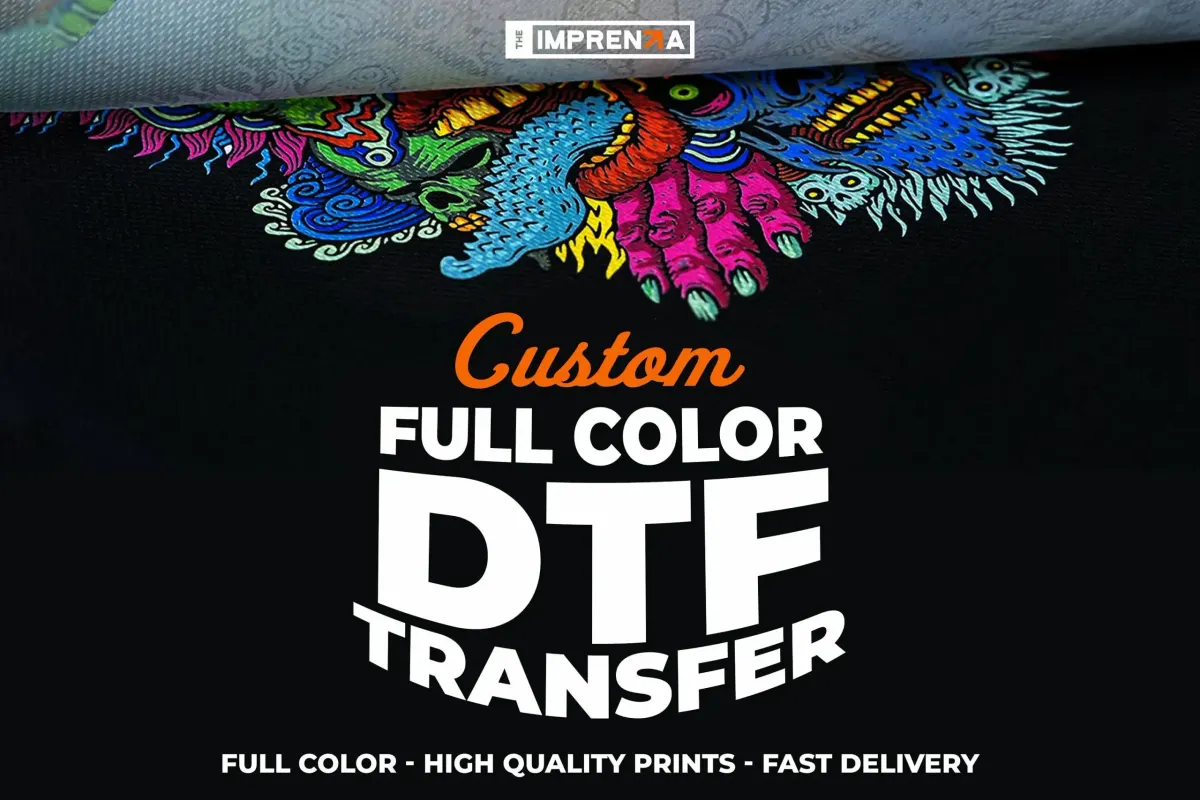
DTF transfers, or Direct to Film transfers, have emerged as a game-changer in the realm of custom apparel production, offering a sophisticated alternative to traditional printing methods like screen printing and DTG printing. This innovative technique involves printing designs onto a specialized film that can then be easily applied to a variety of fabrics, making it an attractive option for businesses and hobbyists alike. With DTF, users benefit from vibrant colors and intricate detail, enhancing the overall quality of their custom apparel projects. Additionally, as the printing industry evolves, DTF transfers stand out for their versatility and low setup costs, making high-quality fabric printing accessible to more creators than ever before. In this guide, we will delve into the advantages of DTF printing and compare it to other popular printing methods, helping you choose the best approach for your project needs.
When discussing modern fabric printing techniques, the term Direct to Film (DTF) printing is at the forefront, often regarded for its efficiency and adaptability. This process, which involves applying designs from a printed film onto textiles, is gaining traction against established methods such as Direct to Garment (DTG) and traditional screen printing. Known for delivering striking color fidelity and the ability to print complex designs, DTF is becoming the preferred choice among custom apparel manufacturers. As you evaluate different printing solutions, considering alternatives like film-based transfers can provide you with a more streamlined production experience, especially in scenarios demanding quick turnaround times and high-quality results.
The Benefits of Using DTF Transfers in Custom Apparel
DTF transfers are revolutionizing the custom apparel industry by offering a unique combination of quality and efficiency. This printing method allows for vibrant and detailed designs, making it particularly appealing for businesses looking to create personalized products. The flexibility of DTF transfers means that they can be applied to a variety of materials, whether you're working with cotton, polyester, or a blend. This adaptability opens up the door for a wide range of applications, from T-shirts and sweatshirts to bags and more, meeting diverse customer needs.
In addition to their versatility, DTF transfers also boast lower setup costs compared to traditional methods like screen printing. This makes them an excellent choice for smaller businesses or indie designers who want to produce high-quality gear without a massive upfront investment. Furthermore, the quick turnaround time enables businesses to respond rapidly to market demands or custom orders, giving them a competitive edge. Overall, DTF printing stands out as an innovative solution for those looking to thrive in the custom apparel sector.
Comparing DTF Transfers with DTG Printing
When selecting a printing method, it’s crucial to understand the differences between DTF transfers and Direct to Garment (DTG) printing. While DTG is renowned for producing high-quality, full-color prints directly onto fabric, it often requires a higher initial investment due to specialized equipment. DTG is optimized for cotton fabrics and excels with intricate designs but can struggle with production speed, especially for large batches—limitations that DTF printing can effectively address.
Unlike DTG, DTF transfers offer a faster production process without compromising quality. DTF can efficiently produce designs that feature gradients and multiple colors, making it a versatile alternative for custom apparel. Moreover, DTF transfers maintain excellent durability and washability, ensuring that the printed designs remain vibrant over time. For businesses contemplating multiple printing options, this comparative efficiency makes DTF a compelling choice.
Exploring the Cost Effectiveness of DTF and Screen Printing
Screen printing has long been the go-to for large-scale production runs due to its cost-effectiveness. However, the high setup costs and lengthy preparation for each color can make it less appealing for smaller orders. In contrast, DTF transfers provide a more economical route for businesses that may not require mass quantities of items. Because the setup is simpler and less labor-intensive, DTF can cater to lower volume jobs and shorter run designs effectively.
Moreover, the ability of DTF printing to deliver high-quality results without extensive preparation times means that businesses can cater to custom orders and experiments with design more readily. This makes it an ideal choice in a market that increasingly leans towards individuality and personalization in apparel. Ultimately, DTF presents a cost-efficient and flexible option that allows for greater creativity without the burden of excessive costs.
Durability and Longevity of DTF Printed Fabrics
Durability is a vital consideration when comparing printing methods for custom apparel, and DTF transfers stand out in this regard. The advancements in ink technology have allowed DTF prints to achieve exceptional adhesion to fabrics, significantly increasing their lifespan. DTF transfers can withstand multiple washes without fading, cracking, or peeling, making them just as resilient as conventional screen-printed garments.
This durability is crucial for consumers looking for lasting quality in their apparel. As fashion trends shift and the demand for high-quality custom items rise, the need for reliable printing methods becomes clearer. DTF transfers not only meet these durability standards but also ensure that designs retain their aesthetic appeal over time, establishing them as a preferred choice for brands focused on longevity.
Production Speed: DTF Transfers Versus Other Methods
Production speed is an essential factor in the textile printing industry, and DTF transfers provide significant advantages in this area. Unlike screen printing, which requires extensive setup and time-consuming processes for every job, DTF printing allows for quick transitions between different designs and sizes. This adaptability is invaluable for businesses operating on tight deadlines or for those that specialize in custom orders.
In addition, DTF technology minimizes downtime, ensuring that production can proceed smoothly and efficiently. This increased speed not only enables faster delivery times for customers but also allows businesses to handle a higher volume of orders. By choosing DTF transfers, companies can stay competitive in an ever-evolving market and meet the needs of a fast-paced consumer base.
Current Market Trends Favoring DTF Printing Technology
As the custom apparel market experiences rapid growth, DTF printing is positioned to ride the wave of changing consumer preferences. The increasing demand for personalized and unique clothing options has led to greater exploration of innovative printing technologies. Businesses are noticing that DTF transfers can fulfill this need by providing versatility and high-quality outputs, thereby attracting more clients to their offerings.
Furthermore, feedback from industry experts highlights that DTF printing is becoming a favored choice within the fabric printing sector. Its capacity to handle smaller production runs without sacrificing quality positions it well in niche markets where customization and individual expression are paramount. As technology continues to advance, DTF printing is likely to cement its place at the forefront of modern fabric printing.
Frequently Asked Questions
What are DTF Transfers in custom apparel printing?
DTF Transfers, or Direct to Film transfers, are a modern printing method where designs are printed onto a specialized film and then applied to fabric using heat and pressure. This technique offers high-quality color reproduction, making it ideal for custom apparel across various materials.
How do DTF Transfers compare with DTG printing?
DTF Transfers differ from DTG (Direct to Garment) printing as DTF prints utilize a transfer film, allowing for versatility across various fabrics. While DTG is great for full-color prints on cotton, DTF offers better production speed and lower setup costs, making it more economical for small batches.
What are the advantages of using DTF Transfers over screen printing?
DTF Transfers have several advantages over screen printing, including lower setup costs and the ability to easily reproduce intricate designs with multiple colors. Furthermore, DTF prints maintain vibrant colors and details on various materials, making them suitable for custom apparel.
Are DTF Transfers durable and washable?
Yes, DTF Transfers are known for their durability and washability. They can withstand multiple washes without fading or cracking, thanks to advancements in ink technology. Proper care can help maintain the print's quality on custom apparel for a long time.
What types of fabrics can DTF Transfers be applied to?
DTF Transfers are versatile and can be applied to a wide variety of fabrics, including cotton, polyester, and blends. This flexibility makes DTF an excellent choice for custom apparel projects that require diverse material options.
Why is DTF Printing gaining popularity in the fabric printing industry?
DTF Printing is gaining popularity due to its efficiency, lower setup costs, and ability to create high-quality, vibrant prints on a range of materials. As the demand for custom apparel grows, DTF provides a quick turnaround solution without compromising on detail or durability.
| Key Points | |
|---|---|
| DTF Printing Overview | A modern technique using transfer film for high-quality designs on fabrics. |
| Advantages of DTF Transfers | 1. Versatility across materials. 2. Low setup costs. 3. High color vibrancy and detail. |
| Comparison with DTG | DTG is slower, more expensive, but works well for full-color prints. |
| Comparison with Screen Printing | Screen printing is better for bulk but has higher setup costs and limitations for complex designs. |
| Quality and Durability | DTF prints are durable and maintain color vibrancy through multiple washes. |
| Production Speed | DTF allows for quick transitions and efficient production, ideal for small batches. |
| Market Trends | The demand for DTF is increasing, especially in custom apparel due to flexibility and quick turnaround. |
Summary
DTF Transfers are revolutionizing the printing landscape, offering a robust solution for those looking to produce high-quality custom apparel efficiently. This innovative method outperforms traditional printing techniques in versatility, setup costs, and production speed, making it an ideal choice for both small and large projects. By understanding the nuances and advantages of DTF Transfers, businesses and enthusiasts can make informed decisions that enhance the quality of their printed garments, meet market demands, and ultimately enjoy successful outcomes.