
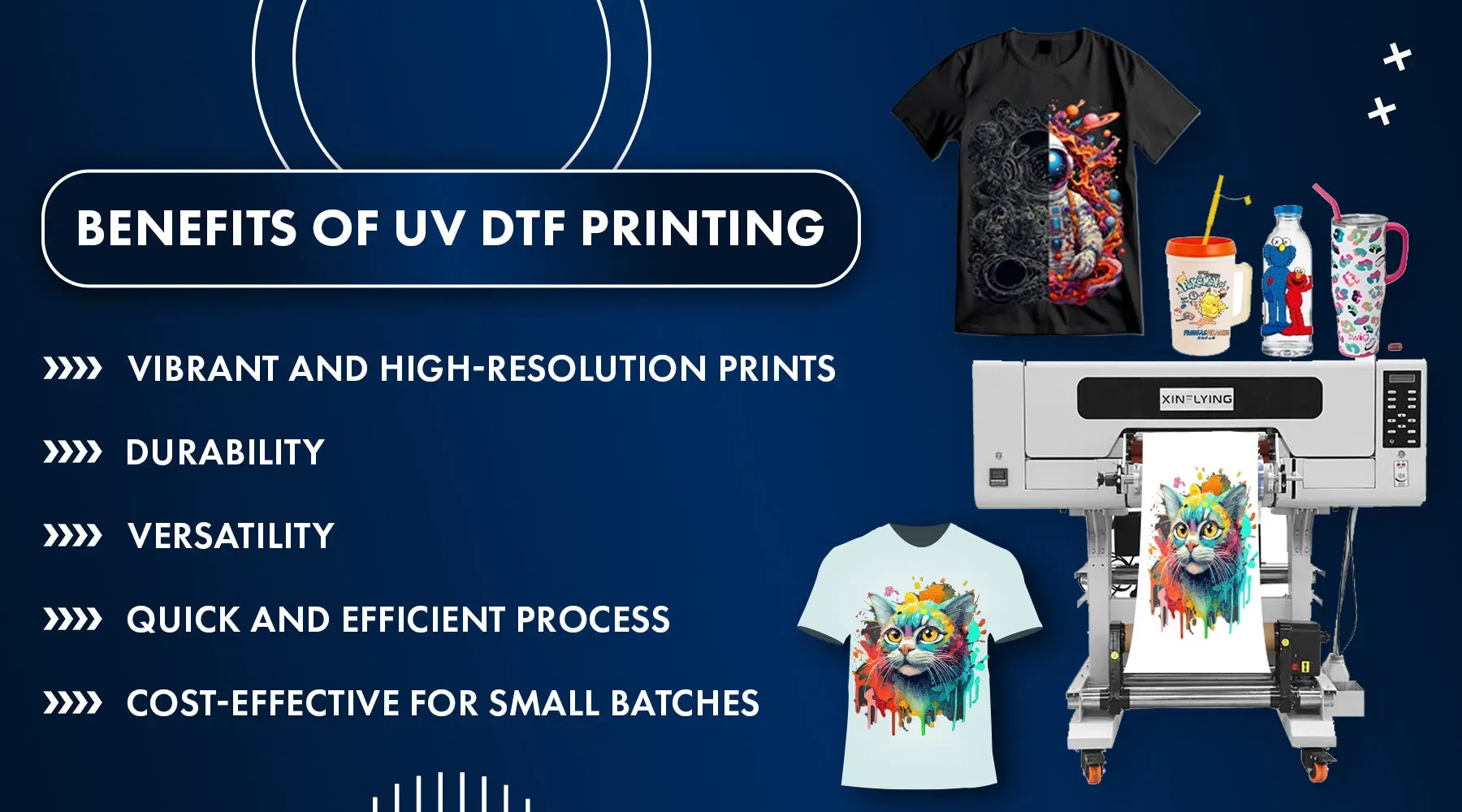
The environmental benefits of UV DTF printing are becoming increasingly recognized as industries strive for sustainability. This innovative technology not only enhances the quality of printed materials but also integrates eco-friendly principles by reducing chemical usage and energy consumption. UV DTF printing employs UV-curable inks that release fewer volatile organic compounds (VOCs) compared to traditional inks, promoting cleaner air quality. Furthermore, the energy-efficient printing process minimizes waste, making it a preferred choice for businesses committed to sustainable printing technology. By adopting UV DTF, companies are stepping forward in the fight against climate change, paving the way toward eco-conscious practices in the printing sector.
In the realm of modern printing solutions, eco-friendly alternatives have gained significant traction, and UV Direct to Film (DTF) printing stands out for its remarkable ecological advantages. This sustainable printing technology utilizes advanced ink formulations that mitigate harmful emissions and lower energy requirements, aligning with the production goals of environmentally conscious enterprises. By leveraging printing innovations that favor energy efficiency and reduced waste, businesses can significantly reduce their carbon footprint. Additionally, UV DTF printing allows for the use of recyclable and biodegradable materials, which resonates well with the growing consumer demand for sustainable products. As such, the application of UV DTF printing represents a transformative shift towards greener practices within the printing industry.
Understanding UV DTF Printing as a Sustainable Printing Technology
UV Direct to Film (DTF) printing revolutionizes the printing industry by offering a sustainable alternative to traditional methods. As businesses worldwide prioritize environmental responsibility, UV DTF emerges as a reliable printing technology that utilizes UV-curable inks. These inks not only reduce the emission of volatile organic compounds (VOCs) but also decrease overall material waste, making it a favored choice among eco-conscious companies. Adopting sustainable printing technologies like UV DTF not only helps fulfill corporate social responsibility goals but also appeals to a growing demographic of consumers who prioritize eco-friendly options.
The innovative approach inherent in UV DTF printing allows companies to transition away from solvent-based inks, which often have harmful environmental effects. By embracing this sustainable printing technology, businesses can significantly lower their impact on air quality and contribute to a cleaner environment. Consequently, UV DTF printing doesn’t merely reduce the ecological footprint; it positions brands as leaders in sustainability, drawing in consumers who make choices based on environmental stewardship.
The Eco-Friendly Aspects of UV DTF Printing
UV DTF printing is not just a printing method; it represents a movement towards more eco-friendly practices in the industry. By utilizing UV-curable inks, which emit fewer VOCs, this technology significantly minimizes air pollution. Traditional printing methods, laden with chemical compounds, release harmful substances that compromise both environmental health and human well-being. In contrast, the use of advanced materials in UV DTF printing ensures that less waste is generated, affirming its status as an eco-friendly alternative.
Moreover, UV DTF printing supports the development and use of sustainable materials, further underlining its eco-friendly nature. Companies can adapt their production processes to utilize organic textiles and recycled substrates, aligning with global sustainability goals. This combination of reduced chemical usage and a commitment to eco-friendly substrates positions UV DTF printing as a solution that not only addresses immediate environmental concerns but also shows promise for a greener future in manufacturing.
Energy Efficiency in UV DTF Printing
One of the standout benefits of UV DTF printing is its exceptional energy efficiency. Unlike traditional drying processes that require extensive energy and time to cure inks, UV DTF printing employs a quick-curing technology that drastically reduces energy consumption. This dramatic decrease in energy requirements translates into financial savings for businesses while simultaneously lessening their carbon footprint. By choosing UV DTF printing, companies can significantly lower their operational costs while contributing to a more sustainable industrial practice.
The energy-efficient nature of UV DTF printing aligns well with modern demands for environmentally-conscious manufacturing. As industries face increasing pressure to adopt greener technologies, the instant curing capabilities of UV DTF provide a perfect solution. By integrating energy-efficient printing technologies, businesses not only alleviate strain on energy resources but also enhance their reputation as forward-thinking entities dedicated to sustainability.
Minimizing Waste Through UV DTF Printing
Waste reduction is a critical component of any sustainable manufacturing process, and UV DTF printing excels in this area. This printing technology minimizes waste through its precision printing capabilities, reducing the necessity for excess materials and resources that are often wasted in traditional printing methods. As UV DTF can print directly onto various substrates without elaborate pre-treatment processes, it minimizes the raw materials required, embodying the essence of efficient production.
Additionally, the recyclable nature of many substrates used in UV DTF printing reinforces the commitment to waste reduction. By adopting materials designed for reusability, businesses can further enhance the sustainability profile of their operations. This not only helps reduce landfill waste but also promotes a circular economy where materials are repurposed rather than discarded, establishing UV DTF printing as a progressive choice for environmentally-conscious manufacturers.
Durability and Longevity of UV DTF Printed Products
UV DTF printing provides remarkable durability to printed products, which can significantly influence their environmental impact. The UV-cured inks used in this technology exhibit exceptional resistance to external factors, including UV light, scratches, and chemical damage. This robustness means that products printed with UV DTF maintain their appearance and functionality longer compared to those printed with less durable inks. As a result, companies can reduce the frequency of reprints, leading to lower resource consumption over time.
The longevity of UV DTF printed products also aligns with the goals of sustainability by directly minimizing waste. Fewer replacements mean less material consumption, which ultimately contributes to a smaller ecological footprint. This aspect of UV DTF printing not only fulfills operational efficiencies but also demonstrates a commitment to longevity, underscoring that quality and sustainability can go hand in hand in modern manufacturing.
Conclusion: Embracing UV DTF Printing for a Sustainable Future
As industries increasingly recognize the need for sustainable practices, UV DTF printing stands out as a beacon of hope. With its numerous environmental advantages—including reduced chemical usage, energy efficiency, minimized waste, and the option of using sustainable substrates—this printing technology represents a future-oriented solution for businesses. Embracing UV DTF printing is not just about addressing current demands; it’s about paving the way for responsible production that meets both ethical responsibilities and consumer expectations.
By adopting UV DTF printing, businesses can demonstrate their commitment to sustainability and environmental stewardship. As eco-friendly solutions become more critical in shaping consumer choices, those who invest in such innovations will not only benefit from lower operational costs but also enhance their market position. The focus on environmentally-friendly practices within UV DTF printing signifies a transformative step towards creating a more sustainable future for the printing industry and the planet alike.
Frequently Asked Questions
What are the environmental benefits of UV DTF printing?
UV DTF printing offers numerous environmental benefits, including reduced chemical usage due to UV-curable inks with lower VOC emissions, less waste generation through precise printing on diverse substrates, and energy efficiency from its quick curing process, which minimizes energy consumption during production.
How does UV DTF printing reduce chemical usage compared to traditional methods?
Unlike traditional printing methods that use solvent-based inks releasing high levels of VOCs into the atmosphere, UV DTF printing employs UV-curable inks which emit significantly fewer harmful chemicals, providing a safer and more eco-friendly printing solution.
In what ways does UV DTF printing minimize waste?
UV DTF printing minimizes waste by directly printing onto various substrates without excessive pre-treatment or coatings, leading to lower raw material consumption and less production waste. Additionally, many substrates applicable in UV DTF can be recyclable, enhancing overall sustainability.
Is UV DTF printing energy efficient?
Yes, UV DTF printing is highly energy efficient as it utilizes a UV curing process that allows inks to cure almost instantly under UV light, significantly reducing the energy required for drying compared to traditional methods.
What types of sustainable substrates can be used in UV DTF printing?
UV DTF printing supports a range of sustainable substrates, including organic textiles, recycled plastics, and biodegradable materials, making it a versatile choice for businesses aiming to produce environmentally friendly products.
How does the durability of UV DTF printed products contribute to environmental benefits?
The durability of UV-cured inks makes products resistant to fading and damage, reducing the need for frequent reprints or replacements. This longevity leads to decreased material consumption and waste, highlighting a significant ecological advantage of UV DTF printing.
| Key Points | Details |
|---|---|
| Reduced Chemical Usage | UV DTF printing uses UV-curable inks with fewer VOCs, reducing air pollution and improving indoor air quality. |
| Less Waste | This method minimizes waste through precision printing and the use of recyclable substrates, contributing to a more sustainable process. |
| Energy Efficiency | UV curing allows for instant drying of inks, significantly cutting energy consumption compared to traditional methods. |
| Sustainable Substrates | UV DTF supports the use of eco-friendly materials, such as organic and recycled substrates. |
| Longer Durability | UV-cured inks provide exceptional durability, reducing the need for reprints and resource consumption. |
Summary
The environmental benefits of UV DTF printing are profound, showcasing how this innovative printing technology is set to revolutionize the industry. From significantly reducing chemical usage to potentially less waste, UV DTF printing marks a substantial shift toward eco-friendly practices. The utilization of energy-efficient curing processes and sustainable substrates not only lessens the ecological footprint of printed products but also fosters the creation of durable goods that last longer, reducing the need for replacement. This transition to UV DTF printing isn't just about keeping up with market demands; it's about endorsing a healthier planet for future generations. By adopting UV DTF printing, businesses are actively participating in a movement towards more sustainable production methods that support environmental well-being.