
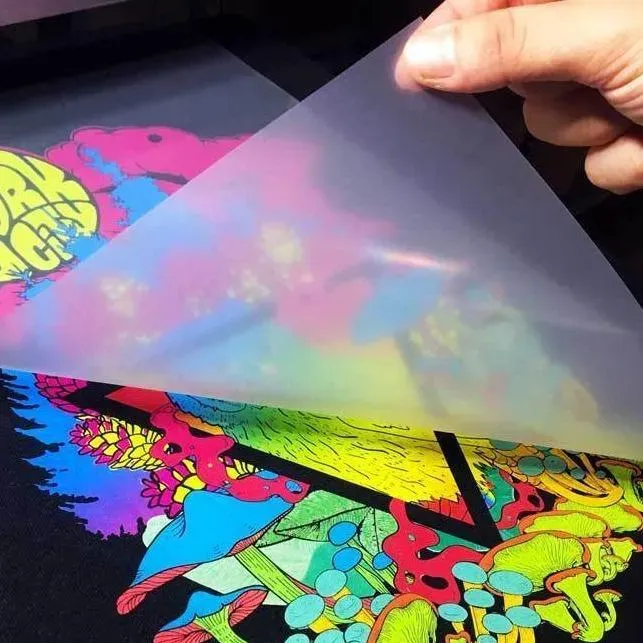
Transfer film is an essential component of the Direct-to-Film (DTF) printing process, vital for creating custom designs on various fabrics. This innovative printing technique has surged in popularity, thanks to its ability to deliver high-quality, vibrant images that stand out on apparel. Selecting the best transfer films is crucial, as they significantly influence the final print’s durability and color vibrancy. With a myriad of options available on the market, knowing what to look for can elevate your DTF projects from ordinary to extraordinary. In this guide, we will delve into the factors that determine the right transfer film choice, ensuring your designs pop and endure wear.
The term "transfer media" refers to the materials used in various printing techniques, including those utilized in Direct-to-Film (DTF) projects. This specialized film serves as a vehicle for transferring intricate graphics onto textiles, contributing to the creation of stunning custom apparel. When discussing alternatives, concepts such as "heat transfer film" also come into play, highlighting the importance of choosing compatible media for successful printing outcomes. Exploring the variety of films available alongside their respective industry uses provides a solid foundation for making informed decisions in your printing endeavors. Understanding the nuances of these films will enable designers and print shops alike to optimize their final products.
Exploring Various Types of Transfer Films
When it comes to DTF printing, understanding the various types of transfer films available is essential for achieving optimal results. The most widely used option is the Polyethylene Terephthalate (PET) film, known for its resilience and heat tolerance. PET films are designed to endure the high temperatures of the printing process, providing sharp and vibrant images that stand out on any fabric. Other options include specialized hot peel and cold peel films, each offering unique advantages depending on the operational requirements. Hot peel films allow for immediate removal of the backing after pressing, which is particularly advantageous for businesses looking to maximize efficiency without sacrificing quality.
On the other hand, cold peel films require the transfer to cool down prior to peeling, which can manifest in a smoother finish that adheres better to fabrics. While they may introduce longer processing times, they offer significant benefits in durability and print integrity. Understanding these distinctions in film types will empower you to make informed decisions tailored specifically to your DTF projects, leading to outcomes that meet both aesthetic and functional standards.
Importance of Ink Compatibility in DTF Printing
One crucial aspect that cannot be overlooked in DTF printing is the compatibility of transfer films with the inks being used. Not all transfer films work equally well with every type of ink, whether it's water-based or solvent-based. Selecting the right film ensures that colors remain vibrant and that the prints adhere properly to the fabric without fading or peeling over time. Ink compatibility is not just a minor detail; it can significantly impact the overall success of your DTF projects, affecting both appearance and longevity.
Different inks require specific formulations in the films to achieve optimal bond strength and durability. For example, using a film designed for water-based inks with solvent inks might lead to subpar adhesion, resulting in a print that cracks or peels early on. Investing time in understanding how different films interact with various inks will not only enhance the quality of your prints but will also bolster your reputation as a reliable source for high-quality custom apparel.
Fabric Selection and Transfer Film Compatibility
The compatibility of transfer films with different fabric types is a significant factor to consider when planning your DTF printing projects. Each fabric—be it cotton, polyester, or synthetic blends—has unique properties that can affect how well the transfer film adheres to it. For instance, while films intended for cotton may provide excellent performance, they may not yield satisfactory results when applied to polyester, which has different chemical compositions and heat resistance levels.
It's essential to assess the fabric characteristics when selecting a transfer film. For example, if your DTF project involves a blend of materials, you should opt for a film that is specifically designed to bond well with those synthetic mixtures to prevent issues such as peeling or fading over time. Understanding the nuances of fabric compatibility not only ensures a better finished product but also enhances the overall durability and wearability of your custom apparel.
Frequently Asked Questions
What is DTF printing and how does transfer film play a role in it?
DTF printing, or Direct-to-Film printing, is a method that prints designs onto a special film which is then heat-pressed onto textiles. The quality of the final product heavily depends on the transfer film used, as it affects color vibrancy, durability, and overall adherence to various fabrics.
How do I choose the best transfer films for my DTF projects?
To select the best transfer films for your DTF projects, consider factors such as the type of fabric you're printing on, ink compatibility, film thickness, and whether you need hot or cold peel options. Each of these elements can significantly influence the quality and durability of the printed designs.
What types of transfer films are available for DTF printing?
There are several types of transfer films for DTF printing, including PET films, hot peel films, and cold peel films. PET films are popular for their durability, while hot peel films offer quick and easy application, and cold peel films provide a smoother finish with enhanced durability.
How does the thickness of transfer film impact DTF printing results?
The thickness of transfer film affects the final texture of the printed product. Thinner films yield a soft feel but may sacrifice some durability, while thicker films are more resilient but can result in a stiffer texture. Selecting the appropriate thickness is crucial for balancing comfort and longevity in your DTF projects.
Why is ink compatibility important when using transfer films for DTF printing?
Ink compatibility is vital because different transfer films may react differently to various ink types (water-based or solvent-based). Choosing a transfer film that is compatible with your specific ink will ensure optimal print quality, vibrant colors, and satisfactory durability in your DTF projects.
Are there eco-friendly options for transfer films used in DTF printing?
Yes, many manufacturers are now offering eco-friendly transfer films suitable for DTF printing. These films are made from sustainable materials, reducing environmental impact while maintaining quality. Using eco-friendly options can also enhance your brand’s appeal to conscientious consumers.
| Key Points | Details |
|---|---|
| Understanding DTF Printing | DTF printing transfers designs onto textiles, offering versatility and quality depending on the transfer film used. |
| Types of Transfer Films | PET films are durable and popular. Hot peel for quick turnaround, cold peel for better adherence. |
| Ink Compatibility | Choose a film compatible with your ink type for optimal print quality and durability. |
| Fabric Considerations | Select films based on fabric types to prevent issues like peeling or fading. |
| Thickness of the Film | Thinner films provide comfort, thicker films offer durability. Balance is necessary. |
| Print Quality and Color Matching | Invest in high-quality films designed for DTF printing; request samples for testing. |
| Reliable Brands | Top brands include Kornit and Epson, known for quality and compatibility in DTF films. |
| Sustainability Considerations | Eco-friendly transfer films help reduce environmental impacts while maintaining quality. |
Summary
Transfer Film is a crucial element in achieving stunning results in Direct-to-Film (DTF) printing projects. The success of your designs hinges on selecting the appropriate transfer film, considering factors such as type, ink compatibility, and fabric characteristics. Furthermore, the thickness of the film can affect both the tactile quality and the durability of the print. Opting for reliable brands and eco-friendly materials not only enhances the quality of your final product but also contributes positively to your brand's image. Ultimately, investing in the right transfer film ensures that your DTF projects are visually striking and long-lasting, satisfying both your creative aspirations and your customers' expectations.