
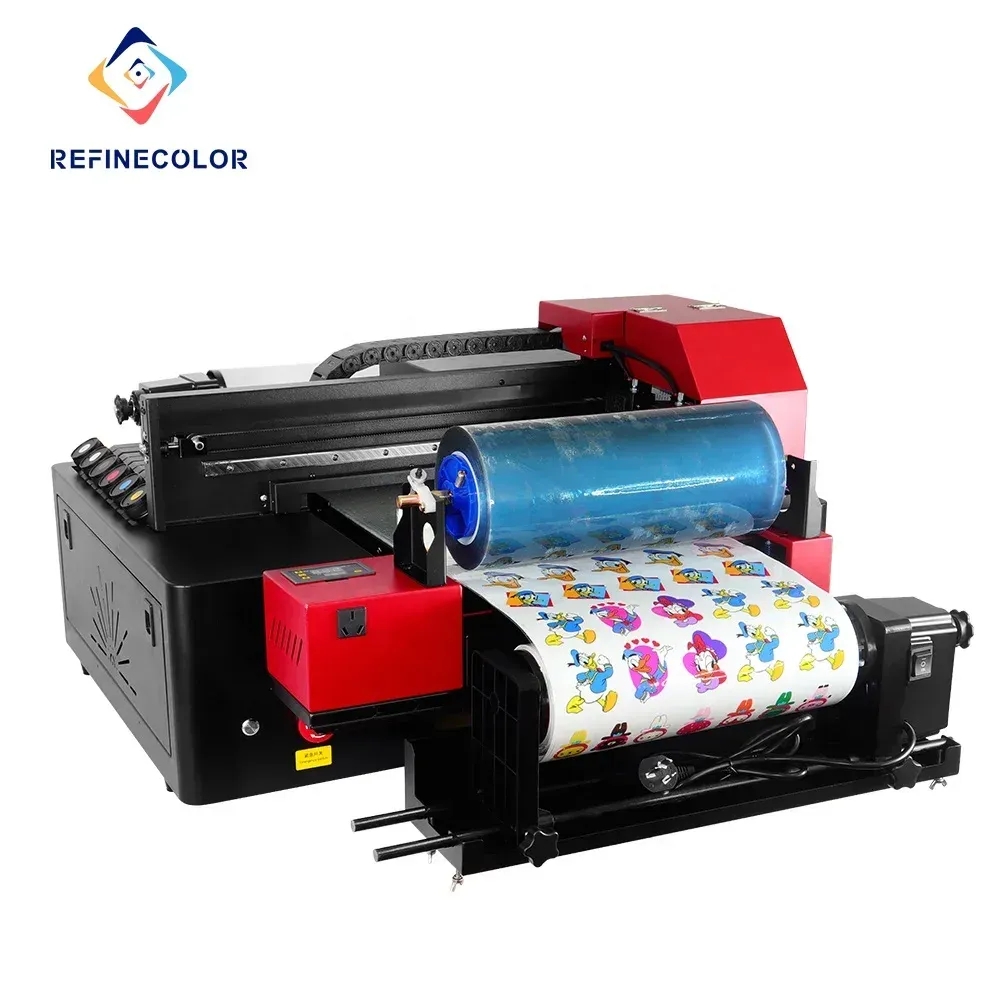
UV DTF, or UV Direct to Film printing, represents a breakthrough in the print technology landscape, offering businesses a modern alternative to traditional printing methods. This innovative technique harnesses ultraviolet light to instantly cure inks, resulting in eye-catching and durable prints across a variety of surfaces. One of the standout benefits of UV DTF is its eco-friendly nature, as it typically utilizes inks that are free from harmful volatile organic compounds (VOCs). By combining the efficiency and versatility of direct-to-film printing with advanced UV technology, UV DTF meets the increasing demand for sustainable and high-quality printing solutions. As more industries recognize the advantages of UV DTF printing, it is becoming clear that this method is poised to dominate the future of print.
Also known as ultraviolet direct-to-film printing, UV DTF is revolutionizing how graphics are produced, offering a contemporary solution that outshines traditional techniques. This state-of-the-art printing method employs UV light technology to effectively cure inks onto a specially designed transfer film, allowing for an expansive range of applications on diverse surfaces. Emphasizing sustainability, UV DTF stands out among other printing processes by minimizing environmental impact through the use of eco-friendly inks. Its rapid production capabilities and exceptional quality make it a compelling choice for businesses aiming to produce vivid and durable prints. By understanding the full spectrum of UV DTF's capabilities, companies can better navigate the evolving demands of the printing industry.
Understanding UV DTF Printing Technology
UV DTF printing stands out in the modern printing landscape owing to its unique blend of technology that combines UV light curing with direct-to-film methods. The process involves printing designs onto a specialized transfer film which is then cured using ultraviolet light. This results in prints that are not only vibrant but also incredibly resilient, allowing for applications across a variety of materials such as textiles, wood, and metal. The precision and efficiency offered by UV DTF technology have made it a preferred choice for businesses looking to achieve high-quality outputs with speed.
Furthermore, the technology is designed to accommodate diverse printing needs, making it a versatile solution for industries ranging from fashion to promotional products. One of the key features of UV DTF is its ability to deliver detailed and intricate patterns, ensuring that even the most complex designs can be faithfully reproduced. This capability is crucial in sectors where visual appeal directly translates into consumer engagement and sales.
Comparing UV DTF with Traditional Printing Methods
When comparing UV DTF to traditional printing methods, several defining characteristics highlight its advantages. Traditional printing techniques, such as screen printing or direct-to-garment printing, often struggle with substrate limitations, leading to increased waste and longer production times. In contrast, UV DTF is adept at printing on a wide range of surfaces without sacrificing quality. This flexibility allows businesses to reduce operational costs by consolidating their printing processes under one highly efficient system.
Moreover, one of the most significant benefits of UV DTF printing is its rapid curing time. Unlike conventional methods that may require lengthy drying phases, UV DTF enables immediate handling of printed materials, expediting the delivery process. This facet is particularly advantageous for businesses in fast-paced environments where time equals profit, affirming UV DTF as a cutting-edge solution that outperforms traditional techniques.
Benefits of UV DTF Printing
The benefits of UV DTF printing extend beyond convenience; they encompass durability, quality, and environmental impact. UV-cured inks provide a level of resilience that ensures prints are not easily scratched, faded, or damaged, making them ideal for products that will experience daily wear and tear. This durability factor is particularly appealing for businesses that produce outdoor signage or garments that must withstand frequent laundering.
Additionally, UV DTF printing leverages eco-friendly inks that are void of volatile organic compounds (VOCs), which are prevalent in many traditional printing methods. By adopting UV DTF technology, companies can align themselves with the growing consumer demand for sustainable practices, further enhancing their market appeal. This commitment not only benefits the environment but can also improve brand image, setting businesses apart in a highly competitive landscape.
The Future of UV DTF Printing
As technology continues to evolve, the future of UV DTF printing looks promising. Recent developments have introduced advanced features in UV DTF printers, such as automated maintenance systems and improved color management software, significantly enhancing usability and output quality. As these innovations become more accessible, small and medium-sized enterprises are increasingly poised to utilize UV DTF technology to elevate their printing capabilities.
Moreover, the market for UV DTF is set to expand as the emphasis on fast, sustainable, and high-quality printing solutions rises. With sustainability becoming more integral to business strategies, UV DTF's eco-friendly profile positions it as an optimal choice for companies eager to reduce their carbon footprint while meeting diverse printing needs. This trend points toward a future where UV DTF is not just an option but potentially the standard in the printing industry.
Exploring Real-World Applications of UV DTF
The versatility of UV DTF printing has led to its adoption across various industries, making it a highly sought-after technology for businesses aiming to diversify their product offerings. For instance, in the fashion industry, brands leverage UV DTF to create intricate and vibrant designs on garments, capturing the attention of consumers eager for unique apparel. This capability to print uniquely on fabrics without compromising quality makes it a game-changer for fashion designers.
In addition to fashion, UV DTF has made significant inroads into the promotional products sector. Companies utilize this technology to produce personalized items such as custom mugs, coasters, and even packaging. The stunning graphics and durable finish provided by UV DTF enhance the desirability of these products, ultimately driving consumer interest and sales. This adaptability is a hallmark of UV DTF printing, allowing firms to target a broader audience and expand their market reach effectively.
Maximizing Efficiency with UV DTF Printing
Maximizing efficiency in the printing process is a top priority for businesses, and UV DTF printing excels in this regard. The swift curing time inherent to UV DTF technology eliminates prolonged drying periods, allowing for immediate handling and packaging of products. This efficiency directly translates into faster turnaround times and reduced production costs, enabling companies to respond rapidly to customer demands without sacrificing quality.
Additionally, UV DTF printing minimizes waste through its precise application of inks and reduced ink usage compared to traditional methods. This not only benefits the bottom line but also fosters a more environmentally responsible approach to printing. Companies that invest in UV DTF technology are not just enhancing operational efficiency; they are also contributing to a more sustainable future, making it a strategic choice in today’s eco-conscious marketplace.
Frequently Asked Questions
What is UV DTF printing and how does it work?
UV DTF printing, or Ultraviolet Direct to Film printing, is a process that utilizes UV light to cure inks on a transfer film, allowing for high-resolution designs to be applied to various substrates. This method ensures vibrant colors and enhanced durability, making it suitable for materials like fabric, metal, and plastic.
What are the benefits of UV DTF compared to traditional printing methods?
The benefits of UV DTF printing over traditional methods include enhanced durability, compatibility with a wider variety of substrates, and a more eco-friendly approach. UV-cured inks are resistant to fading and wear, while traditional inks often release VOCs, making UV DTF a cleaner option.
Is UV DTF printing eco-friendly?
Yes, UV DTF printing is considered eco-friendly as it typically uses inks that are free from volatile organic compounds (VOCs). This significantly reduces environmental impact compared to traditional printing methods, appealing to businesses and consumers who prioritize sustainability.
What materials can UV DTF printing be used on?
UV DTF printing is versatile and can be used on a wide range of substrates, including textiles, plastics, metal, wood, and ceramics. This flexibility allows businesses to expand their product offerings without the need for multiple printing processes.
How does UV DTF printing contribute to cost and time efficiency?
UV DTF printing enhances cost and time efficiency by allowing rapid curing of inks, which eliminates long drying times associated with traditional printing. This leads to quicker production turnaround and lower maintenance costs due to reduced material waste.
What industries benefit the most from UV DTF printing technology?
UV DTF printing is beneficial in several industries, including the fashion sector for unique fabric designs, promotional products for eye-catching merchandise, signage for durable outdoor displays, and branding materials where high-quality graphics are essential.
| Key Points | Details |
|---|---|
| What is UV DTF Printing? | UV DTF printing involves curing inks with UV light on a transfer film for high-quality prints on various surfaces. |
| Enhanced Durability | UV-cured inks resist scratches, fading, and wear, making them ideal for heavy-use products like signage and apparel. |
| Wide Substrate Compatibility | Able to print on textiles, plastics, ceramics, and metals, UV DTF expands material options without needing multiple processes. |
| Environmentally Friendly | UV DTF inks are typically free from VOCs, making them a more sustainable choice compared to traditional ink options. |
| Cost and Time Efficiency | The rapid curing process allows for quicker production cycles and lower maintenance costs due to reduced waste. |
| High-Quality Graphics and Color Range | UV DTF is known for producing high-resolution images with a broad spectrum of colors, ideal for various industries. |
| Recent Developments | Improvements in printer technologies and ink formulations are making UV DTF more accessible for small and medium businesses. |
| Real-World Applications | Used in promotional products, fashion, signage, and branding materials, UV DTF is versatile for many industries. |
Summary
UV DTF printing is a revolutionary technology that combines traditional printing methods with advanced ultraviolet curing processes, offering unparalleled advantages for businesses in various sectors. With its sturdy and vibrant prints, UV DTF stands out as an efficient and eco-friendly alternative to traditional printing, addressing the growing demand for sustainable solutions in today’s market. Its compatibility with diverse materials, quick turnaround times, and high-quality graphic capabilities make it an ideal choice for businesses looking to innovate and streamline their production processes. As the printing landscape continues to evolve, incorporating UV DTF technology may well position companies for success in a competitive environment.