
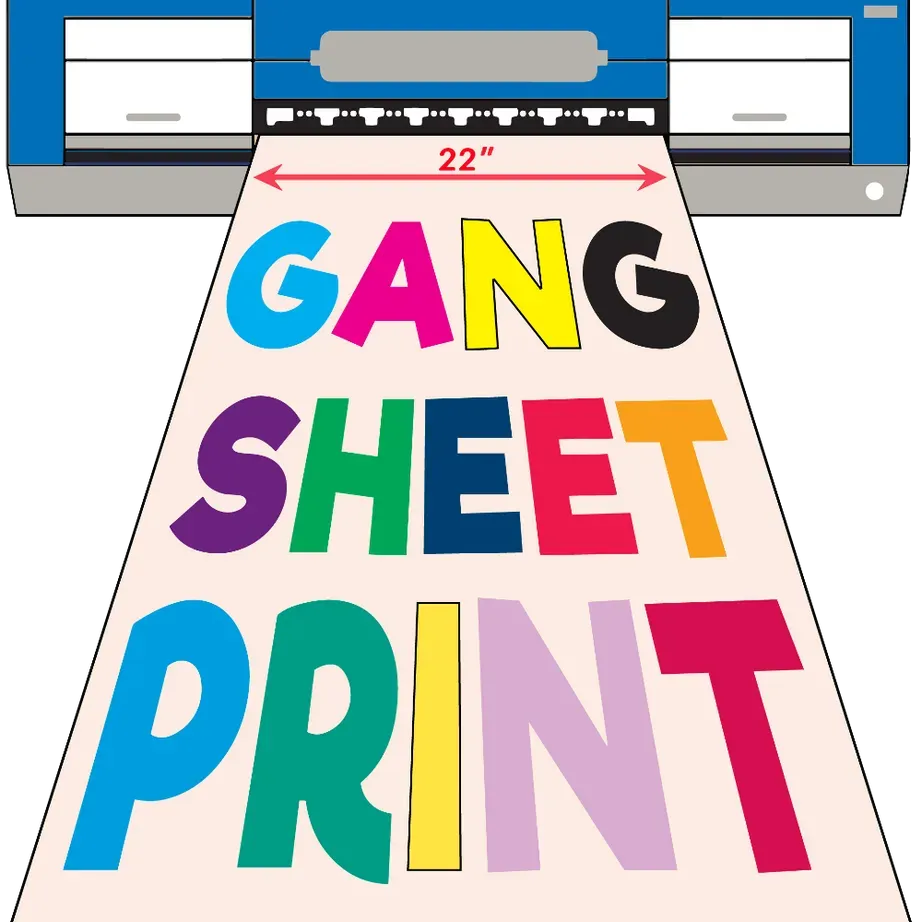
UV DTF Gangheet printing has rapidly gained recognition as a cutting-edge technique in the world of textile printing and UV printing technologies. This innovative process combines the efficiency of direct to film printing with the vibrant color capabilities of UV inks, offering printmakers an exceptional avenue for creativity and quality. By applying designs directly onto specially formulated films, UV DTF Gangheet printing ensures that the final product is not only visually stunning but also highly durable and resistant to wear. As the demand for personalized and unique prints surges, this printing method stands out for its versatility across various substrates, including fabrics, plastics, and metals. In this guide, we will explore the fundamentals of UV DTF Gangheet printing, covering its techniques, advantages, and essential tips for beginners.
Also known as direct to film (DTF) printing, UV DTF Gangheet printing encompasses a revolutionary approach that merges traditional textile printing methods with advanced UV curing technology. This technique allows artists and businesses to create vibrant and personalized designs that can be applied to a wide array of materials, expanding creativity and market potential. With its unique capabilities in producing long-lasting prints, this printing method has become increasingly popular within diverse sectors, from fashion to promotional products. Understanding the nuances of DTF printing methods will empower users to leverage this technology effectively, fostering innovation and quality in their projects. In this comprehensive overview, we will dive into the essential elements of UV DTF Gangheet printing to help newcomers navigate this exciting field.
What is UV DTF Gangheet Printing?
UV DTF Gangheet printing integrally combines UV printing technology with the innovative approach of Direct to Film (DTF) printing. This technique allows for high-quality prints to be produced on various materials, such as textiles, plastics, and metals. The process begins with the application of UV-curable inks onto a specially prepared film, which is then transferred onto the desired substrate, creating vivid imagery and designs. Understanding the mechanics behind this printing technology is crucial for any beginner looking to dive into the world of textile printing.
The biggest advantage of UV DTF printing lies in its ability to render bright colors and intricate designs that are durable. The UV curing process hardens the inks immediately upon exposure to UV light, resulting in prints that are both fade-resistant and water-resistant. This makes UV DTF prints remarkably suitable for items that face everyday wear and tear, such as clothing and custom merchandise. As manufacturers recognize the benefits of this advanced technology, UV DTF is rapidly gaining popularity in the competitive printing industry.
Key Advantages of UV DTF Printing Techniques
One of the notable advantages of UV DTF printing techniques is their versatility. This method allows printing on a wide range of substrates, expanding creative possibilities for businesses and artists alike. Whether it's for promotional items, quality apparel, or customized home decor, the potential applications are endless. Moreover, the vibrancy and depth of color achieved with UV DTF are often superior to those produced by traditional printing methods, making it an appealing choice for those aiming to make a lasting impression.
Additionally, UV DTF printing is recognized for its durability. The unique curing process protects the printed surface, ensuring that the output can endure rigorous conditions without compromising its quality. This feature can benefit commerce where longevity and durability are critical, such as in outdoor advertising or sportswear. Furthermore, the eco-friendly nature of UV inks, which are lower in volatile organic compounds (VOCs), positions UV DTF printing as a forward-thinking choice that aligns with modern sustainability trends.
Best Practices for Successful UV DTF Printing
To achieve remarkable outcomes with UV DTF printing, it’s essential to adopt best practices that enhance overall print quality. One of the first steps involves thorough pre-printing preparation. This means ensuring that the intended substrates are clean, dry, and properly conditioned to facilitate optimum adhesion of the ink. Neglecting this step may lead to poor-quality prints that lack vibrancy and longevity, ultimately affecting customer satisfaction.
Another crucial factor is the selection of high-quality UV inks. The inks specifically formulated for DTF printing contribute significantly to the vibrancy of the colors and ensure that the final output is both eye-catching and resilient. It's advisable to experiment with various ink brands to determine which one yields the best results with your specific printing equipment, as this can greatly affect the quality of the final product.
Current Trends in the UV DTF Printing Market
The current market trends indicate a significant shift toward personalized and custom products, which has been a major driving force behind the increased adoption of UV DTF printing techniques. As consumer demand for unique designs continues to grow, businesses are leveraging UV DTF technology to meet these preferences, leading to innovative applications in fashion and merchandise. Companies that can offer tailored solutions are positioning themselves strategically to capture more of the market share.
Additionally, the availability of advanced UV DTF printing equipment has made this technology more accessible to startups and small businesses. As the costs of these machines continue to decrease, new entrants are entering the market with highly creative and personalized product offerings. This democratization of printing technology fosters entrepreneurship and creativity within the sector as more artists and designers explore diverse printing methods.
Innovations in UV DTF Printing Technology
Innovations in the UV DTF printing sector are continually emerging, enhancing the speed and resolution capabilities of printers. Today’s UV DTF printers often come equipped with state-of-the-art features that allow for faster production times without compromising quality. These advancements mean less waiting time for samples and greater efficiency for businesses, allowing them to cater efficiently to customer demand.
Moreover, a growing emphasis on educational resources highlights innovations in customer support. Many manufacturers of UV DTF printers are now focusing on creating comprehensive guides and training programs tailored to beginners. These resources serve as invaluable tools, helping newcomers to the industry master the intricacies of the printing process and utilize their equipment effectively from the outset.
Essential Resources for UV DTF Printing Beginners
Venturing into UV DTF printing requires access to appropriate resources that can facilitate learning and skill development. Online tutorials, training videos, and webinars are pivotal for beginners to grasp the fundamentals of UV DTF techniques. These resources often provide in-depth insights on specific topics such as pre-printing preparation, ink selection, and post-printing care, ultimately helping novices to become proficient in their craft.
Beyond online material, community forums and dedicated groups can also be magnificent resources for novice printers. These platforms enable individuals to exchange ideas, ask questions, and share troubleshooting tips with fellow enthusiasts. Being part of a community is particularly beneficial in a rapidly evolving field like UV DTF printing, where newcomers can tap into the collective knowledge and experiences of others to enhance their understanding and skills.
Frequently Asked Questions
What is UV DTF Gangheet printing and how does it work?
UV DTF Gangheet printing combines UV printing technology with direct to film (DTF) methods to create high-quality prints. The process involves printing designs onto a special film using UV-curable inks that, once printed, can be heat pressed onto various substrates like fabrics or plastics, ensuring vibrant colors and durability.
What are the key advantages of using UV DTF Gangheet printing in textile production?
The advantages of UV DTF Gangheet printing include exceptional durability, versatility across many materials, and the availability of eco-friendly UV inks that are low in VOCs. This makes it highly suitable for creating long-lasting, vibrant prints on items ranging from clothing to promotional products.
How can I prepare substrates for UV DTF Gangheet printing to ensure print quality?
Preparing substrates for UV DTF Gangheet printing involves cleaning and treating surfaces to enhance ink adhesion. This pre-printing preparation is crucial, as it directly affects the quality and longevity of the final print, making successful outcomes more achievable.
What should I consider when selecting UV inks for DTF printing methods?
When choosing UV inks for DTF printing methods, focus on high-quality inks specifically formulated for UV DTF applications. The selection of ink significantly impacts the vibrancy of colors and the durability of prints, so investing in premium options can lead to better results.
How do curing processes affect the results of UV DTF Gangheet printing?
Curing processes are essential in UV DTF Gangheet printing, as they solidify the UV-curable inks, enhancing print durability and resistance to fading or cracking. Understanding the curing capabilities of your printer ensures that the inks are adequately set, which significantly contributes to the overall quality of the prints.
What current market trends are influencing UV DTF Gangheet printing techniques?
Current market trends in UV DTF Gangheet printing include a rise in demand for personalized and custom products. Businesses are increasingly utilizing these printing techniques to meet consumer preferences for unique designs, thereby expanding opportunities in sectors such as fashion and promotional items.
| Key Points | Details |
|---|---|
| Introduction to UV DTF Gangheet Printing | UV DTF Gangheet printing integrates UV printing and DTF techniques for high-quality prints on various materials. |
| Understanding UV DTF Printing | Uses UV-curable inks on film which are then heat pressed onto substrates, producing vibrant and durable prints. |
| Advantages of UV DTF Printing | Durability, versatility across materials, and eco-friendly options due to low VOC inks. |
| Techniques and Best Practices | Pre-printing preparation, selecting quality inks, proper curing, and experimentation are crucial. |
| Market Trends | Increasing popularity due to personalized products and growing demand for quality prints. |
| Resources for Beginners | Online tutorials, community forums, and educational guides help newcomers learn effectively. |
| Recent Developments | Innovations in printers for better speed and resolution, along with increased educational resources. |
Summary
UV DTF Gangheet printing has revolutionized the textile industry by combining advanced printing techniques to create stunning designs on a wide range of materials. This innovative printing method not only offers exceptional durability but also allows for vibrant color reproduction, making it ideal for a variety of applications, from fashion to promotional products. With the added benefits of eco-friendly inks and a supportive community, anyone venturing into UV DTF Gangheet printing is presented with a wealth of resources to sharpen their skills and maximize their creative potential.