
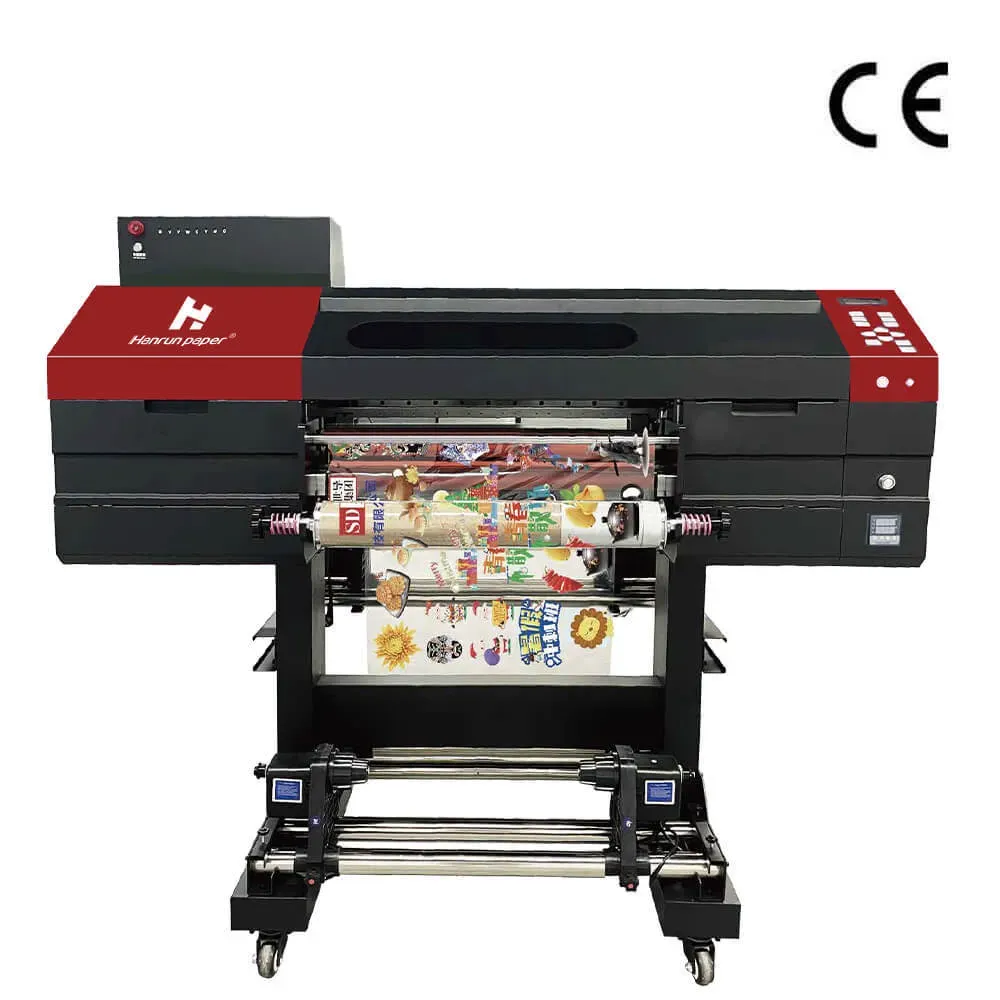
In the vibrant world of printing, UV DTF (Direct to Film) printing stands out as a revolutionary technique that redefines the way we approach graphic creation. This cutting-edge method combines the advantages of UV printing techniques with the flexibility of film transfer, allowing users to produce eye-catching and long-lasting designs. Whether you're a seasoned professional or a novice exploring UV DTF printing for beginners, the potential to create high-quality prints on diverse materials is exciting. Not only does this technology elevate your creative projects, but it also aligns with eco-friendly printing options by minimizing waste and using less harmful inks. Join us as we explore the numerous benefits of UV DTF printing and uncover how it can transform your artistic endeavors into stunning realities.
Exploring new printing technologies can lead to revolutionary possibilities, and one of the most promising methods currently emerging is UV Direct to Film printing. This innovative approach to image reproduction merges the principles of ultraviolet curing with a film overlay, offering artists and businesses alike an unparalleled opportunity to achieve vibrant results. It’s essential for anyone interested in graphic production, especially those considering UV DTF printing for beginners, to understand its myriad applications and advantages. With a focus on sustainability, many are now turning to this method as an eco-friendly alternative that also delivers exceptional durability and color fidelity. Embracing these modern printing solutions not only enhances creativity but also adheres to conscientious environmental practices.
What is UV DTF Printing?
UV DTF printing, or Ultraviolet Direct to Film printing, combines two innovative printing processes to deliver exceptional results. By utilizing ultraviolet light during the curing process, this technique allows for vibrant colors and high durability on a variety of surfaces. Unlike traditional printing methods that often require lengthy drying times and can be limited by the types of materials that can be printed on, UV DTF printing provides a versatile solution. This technology enables the application of designs directly onto films, which can then be transferred to various substrates, including textiles, ceramics, and metals. As a streamlined approach to printing, it simplifies the workflow for creators, ensuring that they can produce detailed graphics with ease.
The integration of UV curing technology not only enhances the quality of prints but also improves their longevity. Prints created with UV inks are resistant to scratches, fading, and environmental damage. This durability makes UV DTF a preferred choice for products that encounter wear and tear, such as outdoor signage and promotional items. Furthermore, the precise nature of UV printing allows for intricate designs and fine details that were previously challenging to achieve. As technology advances, the accessibility of UV DTF printing continues to grow, making it an appealing option for both professional print businesses and hobbyists alike.
Benefits of UV DTF Printing
One of the standout advantages of UV DTF printing is its incredible versatility. This printing technique can be applied to a broad range of materials, allowing businesses to cater to diverse markets. Whether you’re in the fashion industry looking to customize apparel, or in retail aiming to create unique promotional merchandise, UV DTF printing offers endless possibilities. The ability to print on multiple substrates expands your creative boundaries and lets you meet varying customer needs effectively, making it an invaluable tool in today’s competitive market.
In addition to versatility, UV DTF printing provides enhanced color vibrancy that leads to striking visual appeal. The curing process used in UV printing locks in colors more effectively than many traditional methods, resulting in bright, eye-catching graphics that are essential for branding and marketing materials. The superior quality of prints translates to greater customer satisfaction, as products stand out in crowded aisles and online platforms. Consequently, businesses can also benefit from reduced production costs, as the durability of UV prints minimizes the need for replacements or reprints, contributing to overall cost-effectiveness.
Lastly, the eco-friendly aspects of UV DTF printing are becoming increasingly significant. As industries move towards greener practices, UV inks are preferred due to their lower volatile organic compound (VOC) emissions and reduced toxicity. This environmentally conscious approach not only appeals to eco-aware consumers but also helps businesses comply with regulations. By adopting UV DTF printing, companies can align their operations with sustainable values, enhancing their brand reputation and commitment to environmental responsibility.
Getting Started with UV DTF Printing
For beginners eager to explore UV DTF printing, starting on the right foot is crucial. Choosing the right equipment is the first step in this journey. Look for user-friendly options like the Eufymake Personal 3D-Texture UV Printer to make the learning process easier. This compact printer is designed to meet the needs of novice printers, offering them access to UV DTF technology without overwhelming complexities. Understanding your specific printing needs and selecting a printer that suits your projects is essential for a successful start.
Beyond selecting equipment, familiarizing oneself with materials compatible with UV DTF printing enhances the overall experience. Research the variety of films and inks available, as different substrates may produce varying results. Proper material selection not only ensures optimal adhesion but also helps achieve the desired finish for your designs. Continuing with basic online tutorials or workshops can further bolster your understanding, provide you practical insights, and refine your skills. The more you practice, the more proficient you will become at harnessing the full potential of UV DTF printing.
Essential Techniques for UV DTF Printing
Mastering UV DTF printing requires understanding some fundamental techniques that can significantly improve the quality of your prints. Adjusting color profiles correctly is one of the primary steps in achieving vivid colors that will pop on any substrate. Beginners should take the time to familiarize themselves with their printer’s settings, adjusting them to match the specific characteristics of the inks and films being used. This knowledge will help in avoiding common pitfalls, such as uneven color application or blotchy prints.
Another vital technique involves maintaining a clean and organized workspace. Ensuring that your environment is free of dust and debris is critical for achieving high-quality prints. Before starting, check that your printer heads are clean and properly aligned, as this influences print quality. Regular maintenance of your equipment and workspace helps to maximize the longevity of both printed products and your printing hardware, allowing you to focus on creating stunning designs.
Exploring Eco-Friendly UV DTF Inks
As sustainability becomes a focal point in printing technologies, exploring eco-friendly UV DTF inks is essential for businesses aiming to minimize their environmental footprint. These inks are formulated to be less toxic and emit fewer volatile organic compounds (VOCs), aligning with the global push toward greener practices. By choosing eco-friendly UV DTF inks, businesses can not only enhance their brand image but also attract a customer base that values sustainable products.
Furthermore, the durability and quality of eco-friendly UV DTF prints are not compromised. In fact, advances in environmentally responsible inks have led to increased performance in terms of color vibrancy and adherence to various substrates. As companies prioritize green practices, the availability and variety of eco-friendly printing solutions continue to expand, making it easier for newcomers to integrate these options into their UV DTF printing processes. This represents a significant shift towards a more sustainable industry, promising benefits for both businesses and the environment.
Frequently Asked Questions
What is UV DTF printing and how does it work?
UV DTF printing, or UV Direct to Film printing, combines ultraviolet printing with a film transfer technique, allowing high-quality graphics to be transferred onto various materials, including textiles and ceramics. The UV light cures the inks, resulting in vibrant, durable prints that are resistant to scratches and fading.
What are the benefits of UV DTF printing for beginners?
For beginners, UV DTF printing offers several benefits including its user-friendly compact printer options, versatility in printing on diverse substrates, and the availability of numerous online tutorials for skill development. Additionally, UV DTF printing is eco-friendly due to the low VOC emissions from UV inks.
How can I start UV DTF printing as a beginner?
To start UV DTF printing, begin by choosing a compact UV DTF printer, such as the Eufymake Personal 3D-Texture UV Printer. Next, research compatible materials and inks for your projects. Utilize online resources and tutorials to learn basic printing techniques and practice with different designs to refine your skills.
What materials can I use with UV DTF printing?
UV DTF printing is highly versatile and compatible with a wide range of substrates, including textiles, plastics, glass, and ceramics. This adaptability allows users to cater to various markets, from fashion items to promotional signage.
How does UV DTF printing compare to traditional printing methods?
Unlike traditional printing methods, UV DTF printing provides enhanced color vibrancy and durability, thanks to the UV curing process. It minimizes waste due to precision printing and produces long-lasting results, making it more efficient and cost-effective compared to conventional methods.
Are there eco-friendly printing options available with UV DTF printing?
Yes, UV DTF printing utilizes UV inks that emit fewer volatile organic compounds (VOCs), making them a more eco-friendly option compared to traditional inks. This aligns with the growing demand for sustainable practices in the printing industry.
| Key Features | Details |
|---|---|
| Precision | Enables printing of fine details, ideal for intricate designs. |
| Diverse Applications | Applicable to textiles, ceramics, plastics, and more. |
| High Durability | Resistant to scratches, fading, and moisture due to UV curing. |
| Compact UV Printers | User-friendly models like the Eufymake Personal 3D-Texture enhance accessibility. |
| Environmental Benefits | UV inks are eco-friendlier with lower toxic emissions. |
| Versatile Material Choices | Compatible with a variety of substrates for diverse market options. |
| Enhanced Color Vibrancy | Allows for bright, vibrant prints essential for branding. |
| Cost-Effective | Minimizes waste and optimizes operations due to precision. |
Summary
UV DTF printing presents a groundbreaking advancement in the world of printing technology, allowing users to achieve remarkable graphics with durability and flexibility. This innovative method combines ultraviolet printing techniques with a film transfer process, making it suitable for a multitude of surfaces. With advancements such as compact printers and eco-friendly inks, UV DTF is increasingly accessible to beginners and professionals alike. Its ability to produce vibrant colors and withstand environmental stressors enhances its appeal across various industries, making it a valuable asset for anyone looking to elevate their creative projects. Furthermore, the abundance of resources and tutorials available empowers newcomers to master this technology quickly and efficiently. Overall, the prospects of UV DTF printing are endless, making it the perfect choice for businesses aiming to stand out in a competitive market.