
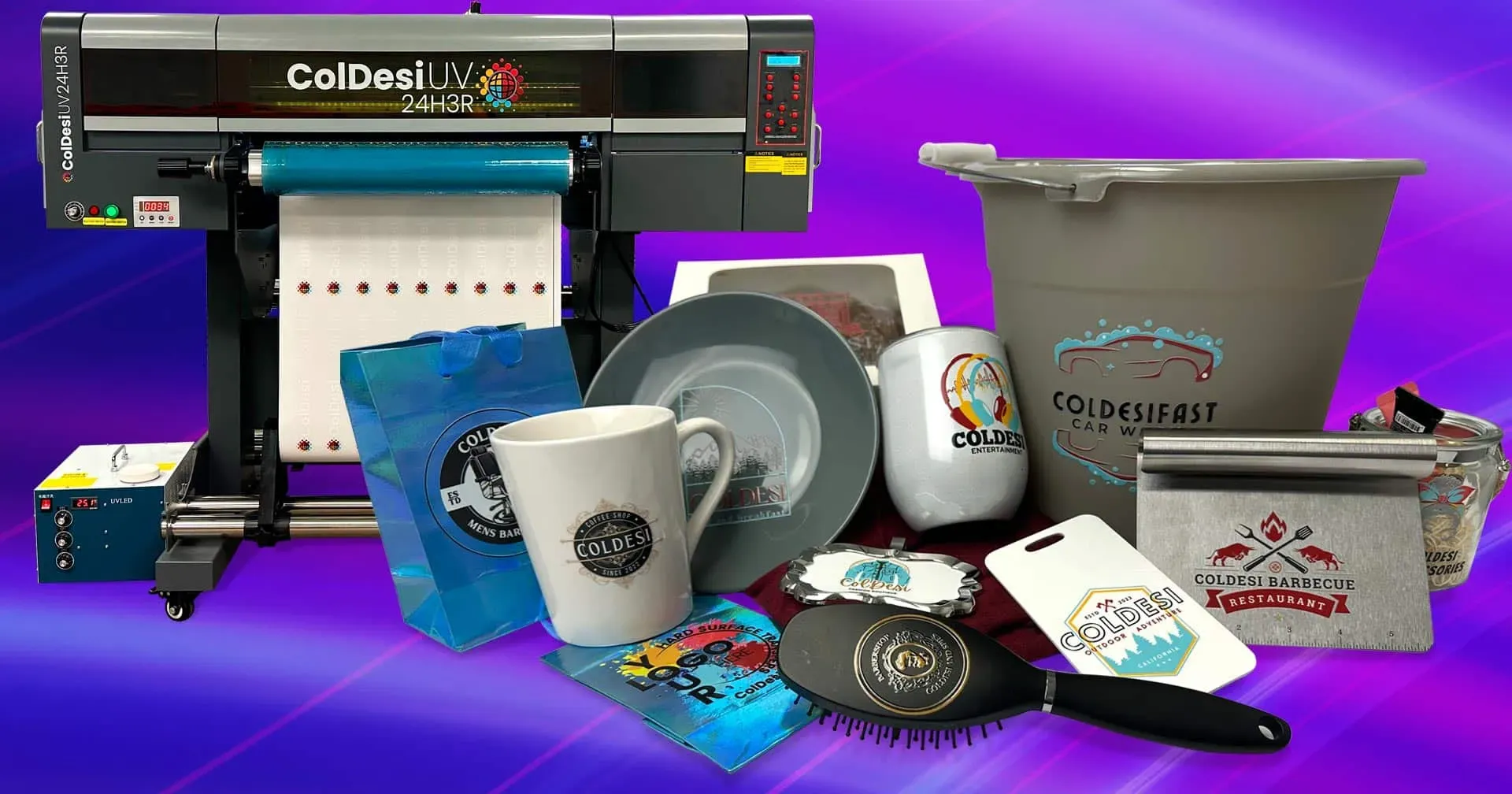
UV DTF printing is revolutionizing the way we approach high-quality printing, offering businesses innovative solutions that harmonize creativity and functionality. This cutting-edge technology blends the advantages of traditional UV printing with Direct-to-Film (DTF) techniques, making it an exciting option for those seeking versatile and eco-friendly printing methods. As companies adapt to the growing demand for personalized products, understanding the benefits of UV DTF becomes crucial for success in the competitive market. With vibrant colors and durable finishes, UV DTF printing not only enhances the visual appeal of prints but also supports sustainability efforts. If you're interested in exploring the latest advancements in printing technology, this guide will provide insights into maximizing the potential of UV DTF for your business.
UV Direct-to-Film printing serves as a remarkable advancement in printing technology, integrating the efficiency of UV printing with the flexibility of DTF methods. This process allows for direct printing onto a variety of substrates, ranging from textiles to rigid materials, enabling companies to offer diverse product ranges. The environmental benefits of this technology cannot be overlooked, as it often utilizes eco-friendly inks with minimal volatile organic compounds. By leveraging UV printing innovations, businesses can achieve high-quality prints that stand out in today's market. This overview will delve into the various aspects of UV DTF printing, highlighting its features, advantages, and how it can elevate your production capabilities.
Understanding UV DTF Printing Technology
UV DTF printing, or Ultra-Violet Direct-to-Film printing, is a cutting-edge technique that employs ultraviolet light to cure or dry the ink immediately after application. This process allows for vibrant color reproduction and detailed imagery on a variety of surfaces. By using a special film, UV DTF printer allows for direct transfer of images onto materials such as fabric, metal, glass, and plastic. The curing process ensures that the prints are not only vivid but also durable, making them perfect for both commercial and artistic applications.
Moreover, the UV DTF printing technology marks a significant evolution from traditional methods, offering advantages such as faster production times and less material waste. The direct transfer means that even intricate designs can be replicated with precision. Additionally, the immediate curing of the ink reduces the risk of smudging and blending, which is often a problem in other printing methods. As businesses strive to produce high-quality prints, mastering these technologies is essential for staying relevant in the competitive printing industry.
Benefits of UV DTF Printing for Businesses
UV DTF printing is rapidly gaining popularity among businesses for several compelling reasons. One of the primary benefits is its versatility; it can print on a wide range of substrates that traditional methods cannot accommodate. This means that enterprises can offer customized products ranging from promotional materials to personal apparel. The ability to print on both rigid and flexible surfaces effectively opens new avenues for creative marketing and promotional opportunities.
Additionally, UV DTF printing is associated with high-quality outputs. The process ensures that colors are vibrant and precise, leading to striking visuals that attract consumer attention. This is particularly beneficial for brands looking to develop distinctive, custom merchandise that stands out in the marketplace. As quality is crucial in branding, leveraging UV DTF technology can significantly enhance a company's product range and perceived value.
Eco-Friendly Advantages of UV DTF Printing
The growing concern for environmental sustainability has led many businesses to seek eco-friendly printing solutions, and UV DTF printing offers just that. Unlike traditional solvent-based inks, many UV inks have low levels or are completely free of volatile organic compounds (VOCs), making them a safer choice for both the environment and the workers handling the materials. These inks not only minimize harmful emissions during the printing process but also contribute to creating safer end products.
Furthermore, the efficiency of UV DTF printing contributes to reduced waste. The precise curing process allows for better ink usage without excess runoff, leading to a more sustainable production cycle. As consumers increasingly prefer eco-friendly products, adopting UV DTF printing can position businesses favorably in the marketplace, aligning them with consumer values and enhancing their reputation as responsible entities.
Challenges to Consider in UV DTF Printing
While the benefits of UV DTF printing are significant, there are also challenges that newcomers must consider. One of the main hurdles is the initial investment in high-quality UV DTF printers and equipment. For small businesses, the upfront costs might deter them from exploring this innovative printing method. Additionally, businesses must be prepared to navigate a learning curve as they familiarize themselves with the technology and materials associated with the process.
Another challenge lies in the compatibility of different substrates. Not all materials work well with UV DTF printing, and improper selection can lead to subpar results. Thus, it is essential for users to invest time in understanding which films, inks, and substrates yield the best outcomes. Nevertheless, these challenges can be mitigated with proper research, training, and patience, ultimately leading to successful adoption and utilization of UV DTF printing.
Market Trends Influencing UV DTF Printing
The landscape of UV DTF printing is experiencing notable shifts as market trends evolve. With the surge in e-commerce, businesses are increasingly seeking custom and personalized printing solutions to meet consumer demands for unique products. The ability to quickly turn around smaller production runs makes UV DTF printing particularly attractive, allowing companies to cater to niche markets and specialty orders without the hefty costs associated with larger production volumes.
Furthermore, advancements in UV printing technology are continuously improving print quality and efficiency, making it easier for businesses to remain competitive. As improvements are made, printers are becoming more accessible and affordable for small operations. Future trends hint at a growing collaboration between print houses and tech firms, which will further innovate UV DTF printing and broaden its scope in the market.
Getting Started with UV DTF Printing: Practical Steps
For those looking to dive into UV DTF printing, understanding the practical steps involved can ease the transition into this advanced printing realm. First, it’s crucial to research the various UV DTF printing machines available, comparing features, specifications, and user reviews. Selecting a printer that best suits your intended applications and budget will set the groundwork for success. Moreover, it is wise to explore training programs offered by manufacturers, which can significantly shorten the learning curve.
Next, familiarity with the materials used in UV DTF printing is essential. Understanding the right inks, films, and substrates will ensure that you are prepared to deliver high-quality products. Starting with smaller projects can provide hands-on experience and help identify the best materials and processes while minimizing risks. By staying informed about updates in the technology and industry, aspiring UV DTF printers can effectively carve out their niche in this vibrant and expanding market.
Frequently Asked Questions
What is UV DTF printing and how does it work?
UV DTF printing combines UV printing technology with the Direct-to-Film (DTF) technique, utilizing ultraviolet light to cure ink on a special film. This allows for high-quality prints on various substrates, including textiles and plastics, ensuring vibrant colors and sharp details.
What are the benefits of UV DTF printing over traditional printing methods?
The benefits of UV DTF printing include increased versatility to print on both flexible and rigid surfaces, high-quality results with vibrant colors, eco-friendly printing options using low-VOC inks, and cost-effectiveness for small production runs.
How does UV DTF printing achieve high-quality prints?
UV DTF printing achieves high-quality prints by curing ink with UV light, which instantly dries the ink and enhances color vibrancy. This process results in durable prints that are resistant to scratches and fading, making them ideal for items exposed to wear and tear.
Is UV DTF printing an eco-friendly option?
Yes, UV DTF printing is considered eco-friendly because it often uses low-VOC inks that minimize harmful emissions. This aligns with the growing demand for sustainable printing practices and can be a key factor for businesses focused on environmental responsibility.
What challenges should I be aware of before starting UV DTF printing?
Challenges in getting started with UV DTF printing include the initial investment in quality equipment, the learning curve for mastering the technology, and the importance of selecting the right substrates and materials to achieve optimal printing results.
How can I get started with UV DTF printing?
To get started with UV DTF printing, research suitable equipment, understand the necessary materials, seek out training opportunities, begin with smaller projects for practice, and keep updated with industry trends to enhance your skills and business offerings.
| Key Point | Description |
|---|---|
| Introduction | Overview of UV DTF printing and its potential. |
| What is UV DTF Printing? | A printing method using UV light to cure ink on materials like textiles and plastics. |
| Benefits | Versatility, high quality, eco-friendly options, cost-effectiveness for small runs, and market trends. |
| Challenges | Initial investment costs and the learning curve for using UV DTF printers. |
| Getting Started | Research equipment, understand materials, explore training options, start small, and stay updated. |
| Conclusion | UV DTF printing offers high-quality and versatile solutions for businesses looking to expand. |
Summary
UV DTF printing unlocks new possibilities for creative applications in the printing industry. This innovative method combines the benefits of both UV printing and DTF techniques, making it a popular choice for businesses aiming to enhance their product offerings. From its versatility in printing on various materials to resulting high-quality prints, UV DTF printing stands out as a sustainable and cost-effective solution for both small and large-scale projects. As the market for personalized printing continues to grow, understanding this technology can position businesses for success in a competitive landscape.