
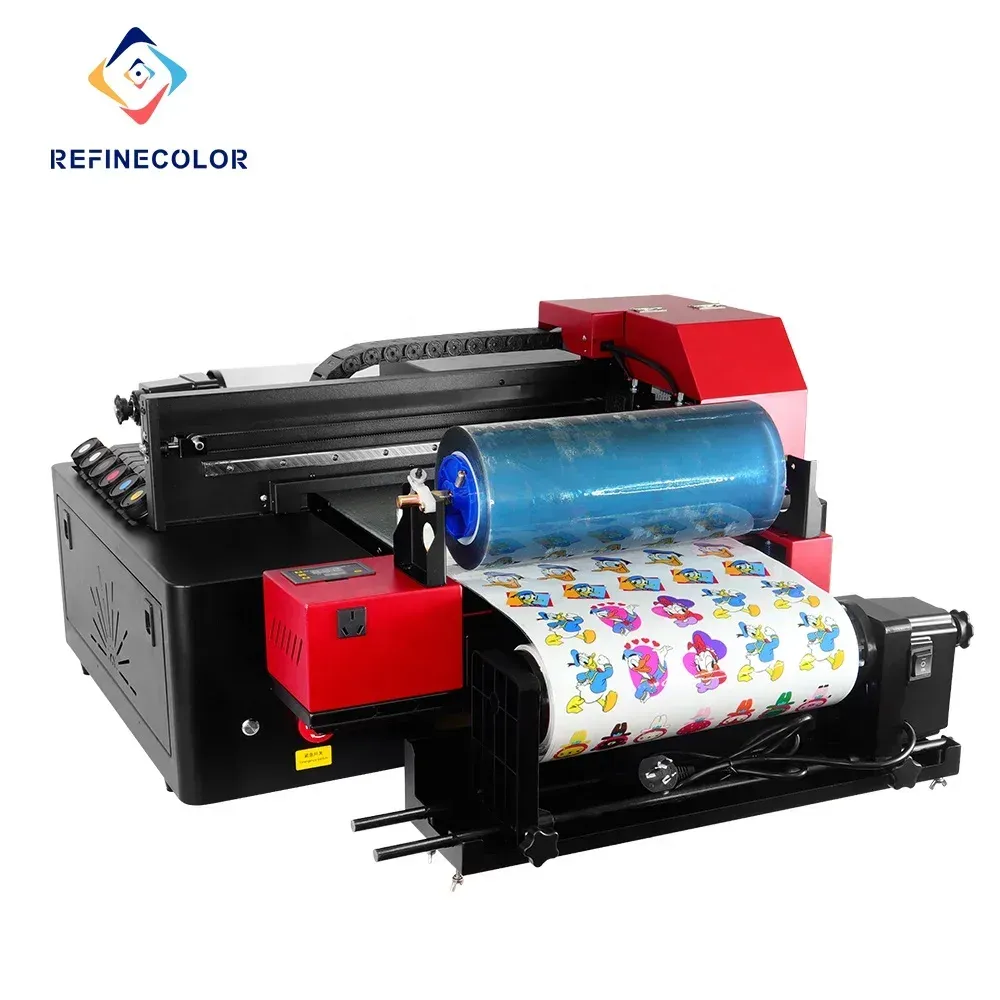
UV DTF, or Ultraviolet Direct-to-Film printing, represents a breakthrough in printing technology, capturing the attention of businesses eager to innovate. This method employs UV-cured inks that adhere brilliantly to an extensive range of materials, from textiles to glass, offering stunning and durable prints. By incorporating UV DTF into their operations, companies can provide customized products with vibrant colors and intricate designs that traditional printing methods often struggle to achieve. In an industry where the demand for bespoke designs is surging, UV DTF stands out for its versatility and high resolution, making it a compelling choice for modern enterprises. This article examines the advantages of UV DTF compared to traditional printing, guiding you in selecting the best method for your business's unique needs.
Often referred to as ultraviolet direct film technology, UV DTF printing offers a modern alternative to conventional printing techniques. This innovative process utilizes specialized inks that are cured with ultraviolet light, allowing for excellent adhesion and a more expansive application across various substrates. Unlike traditional printing methods which may limit designers to specific materials and effects, UV DTF opens up new avenues for creative expression in custom printing. Businesses interested in high-quality, durable prints can significantly benefit from the capabilities of UV DTF, especially when addressing the growing consumer preference for personalized products. With advancements in printing technology, the shift towards more efficient and versatile solutions is becoming increasingly apparent.
The Rise of UV DTF Printing Technology
In recent years, UV Direct-to-Film (DTF) printing technology has gained traction as a game-changer in the printing industry. This innovative technique employs ultraviolet-curable inks, which not only enhance adhesion but also deliver vibrant color output across various substrates. The capability to print on materials such as wood, glass, and fabric expands the scope of customization, allowing businesses to cater to an extensive range of client needs. Companies are increasingly adopting UV DTF given its ability to meet the demand for personalized products, marking a significant shift from traditional methods.
Unlike conventional printing techniques, UV DTF is designed with versatility in mind, empowering businesses to create unique and intricate designs that stand out in a crowded market. The recent introduction of cost-effective printers tailored for small businesses and hobbyists, such as Anker's E1 model, demonstrates the growing accessibility of this technology. With its user-friendly features and professional-grade results, UV DTF printing is becoming a staple for entrepreneurs looking to elevate their product offerings without imposing hefty financial burdens.
Comparing UV DTF and Traditional Printing
When juxtaposing UV DTF with traditional printing methods, several key differences emerge. Traditional printing techniques, including offset and screen printing, have long been favored for mass production due to their reliability and the extensive history backing their usage. However, they often fall short in terms of versatility and the ability to print on diverse materials. In contrast, UV DTF printing can handle a multitude of substrates, allowing for creative freedom in product design. This adaptability is crucial for businesses aiming to differentiate their offerings and consistently engage customers.
Moreover, traditional printing methods often struggle with ink longevity, particularly when subjected to environmental factors such as light exposure and moisture. UV DTF's advanced inks boast superior durability, resisting fading much more effectively than conventional inks. This quality not only enhances product lifespan but also ensures that customers receive vibrant and long-lasting prints, thereby enhancing brand reputation and customer satisfaction in an increasingly competitive marketplace.
The Advantages of UV DTF Over Traditional Methods
One of the standout advantages of UV DTF printing is its capacity for creating textured prints, a feature that traditional printing methods do not easily replicate. Textural depth can provide a tactile experience that significantly elevates a product's perceived value, catching the eye of consumers and encouraging purchases. Businesses looking to thrive in niche markets can leverage this capability to produce premium-quality items that garner attention in retail spaces.
Additionally, UV DTF printing offers a more eco-friendly approach to printing compared to traditional techniques, which may involve wasteful printing practices and harmful chemicals. The efficient use of UV-curable inks and the minimal environmental footprint associated with UV DTF can appeal to a growing segment of environmentally-conscious consumers. By switching to or incorporating UV DTF into their operations, businesses can align themselves with sustainable practices while simultaneously enhancing their product offerings.
Current Trends in Printing Technology
The evolution of printing technology is being shaped by consumer trends and the growing demand for personalized products. The rise of UV DTF printing showcases a marked shift toward smaller batch productions and customization, aligning with consumer preferences for unique and bespoke items. Market players are investing heavily in this technology, as evidenced by initiatives from companies like EazyDTF, which are responding to the increasing appetite for innovative solutions.
This trend is not merely a fleeting interest; it reflects a fundamental change in consumer behavior. Customers are gravitating towards brands that offer distinctive products tailored to their preferences, positioning UV DTF printing as a crucial tool for businesses aiming to remain relevant. While traditional printing retains its place in mass production, the growing inclination toward custom printing emphasizes the adaptability of UV DTF methods to meet contemporary market demands.
Evaluating Costs: UV DTF vs. Traditional Printing
When evaluating the cost-effectiveness of UV DTF versus traditional printing methods, businesses must consider not just initial setup costs but also long-term expenses. While traditional printing might require significant investment in equipment and materials for bulk production, UV DTF offers a more flexible pricing model that can adapt as production needs grow. This makes it an attractive option for small to medium-sized businesses that require versatility in their print runs.
Furthermore, the durability offered by UV DTF technology can translate into cost savings over time. Products that withstand fading and wear reduce the frequency of reprints, therefore decreasing overall production costs. For companies focused on quality and sustainability, investing in UV DTF not only meets immediate budgetary concerns but also positions them favorably in terms of product longevity and consumer satisfaction.
Making Informed Decisions: Selecting the Right Printing Method
Choosing between UV DTF and traditional printing methods involves a strategic analysis of business objectives, product requirements, and customer expectations. Companies should first assess their target market and the types of products they plan to offer. For businesses committed to delivering high-quality, personalized items across various materials, UV DTF presents a compelling choice with its unique capabilities and flexibility.
On the other hand, if a business's focus lies heavily in bulk production of standardized products, traditional printing may still hold its value. By weighing the applications against budget constraints and consumer preferences, businesses can make informed decisions that not only fulfill their current needs but also position them for future growth in a rapidly changing industry landscape.
Frequently Asked Questions
What is UV DTF printing technology?
UV Direct-to-Film (DTF) printing technology utilizes ultraviolet cured inks to create vibrant and durable prints on various substrates, including wood, glass, and fabric. This method is designed to provide superior color output and texture, making it ideal for custom printing projects.
How does UV DTF differ from traditional printing methods?
Unlike traditional printing, which is often limited to certain materials and lower vibrancy, UV DTF offers versatility in substrate use and enhanced durability. Additionally, it allows for textured finishes that traditional printing cannot match, making it a preferred option for custom printed products.
What are the advantages of using UV DTF over traditional printing for my business?
The key advantages of UV DTF over traditional printing include better durability, vibrant color output, and the ability to print on a wider range of materials. This technology is particularly beneficial for businesses focusing on custom printing, as it enhances product appeal and longevity.
Is UV DTF printing cost-effective compared to traditional printing?
While traditional printing may have lower upfront costs for large volumes, UV DTF can be more cost-effective for small runs and custom prints. It reduces material waste and allows for more economical production scales tailored to specific projects.
Can UV DTF printing provide textured finishes?
Yes, UV DTF printing excels in creating unique textures that enhance product quality and design. This feature sets it apart from traditional printing methods, which often lack the capability to produce similar tactile effects.
What substrates can be used with UV DTF printing?
UV DTF printing is highly versatile and supports a wide variety of substrates including wood, glass, fabric, and more. This adaptability makes it suitable for businesses looking to explore custom printing options across different materials.
| Aspect | UV DTF Printing | Traditional Printing |
|---|---|---|
| Versatility | Accommodates a wide array of substrates, enabling custom designs and personalization. | Limited to specific materials, often focused on paper and textiles. |
| Durability | Resists fading and wear, maintaining vibrant colors over time. | Inks may fade and wear quickly, especially with exposure to light. |
| Texture Creation | Produces textured prints that enhance product value and consumer interest. | Limited ability to create textures or emulate certain surfaces. |
| Cost Considerations | Affordable initial investment for small businesses, with cost-effective solutions for low volume runs. | Higher setup costs and less cost-effective for small batches. |
| Current Trends | Growing popularity and adoption among businesses for custom items. | Still relevant for mass production but faces competition from UV DTF. |
Summary
UV DTF (Direct-to-Film) printing is revolutionizing the printing industry by providing businesses with innovative and versatile options for their printing needs. This modern technique stands out due to its ability to adhere to a variety of substrates, produce vibrant and durable prints, and create unique textures that elevate products. As the industry shifts towards personalized and small-scale production runs, UV DTF has emerged as the preferred choice for companies looking to enhance their offerings while meeting the demands of an evolving market. Understanding UV DTF technology and its advantages enables businesses to make informed decisions that align with their goals and drive future growth.