
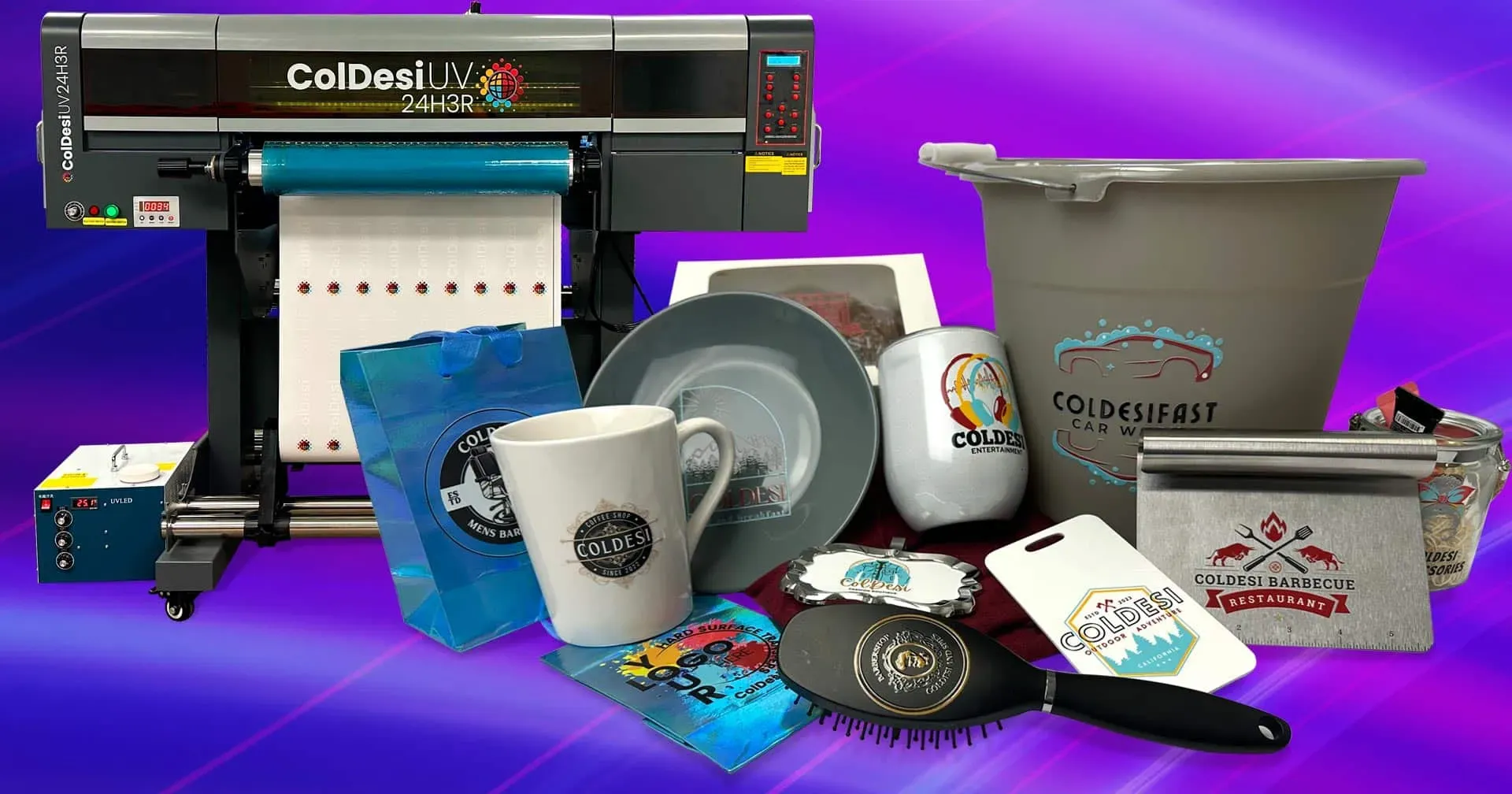
In the contemporary realm of printing technology, UV DTF printing has emerged as a game-changer, blending innovation with practical efficiency. This advanced printing method employs ultraviolet inks, delivering vibrant imagery that cures almost instantly. As businesses seek ways to enhance their marketing materials and product customization, UV DTF printing stands out for its versatility and durability on various substrates, including textiles and rigid surfaces. Unlike traditional printing techniques, which may struggle with complex designs and rapid turnaround times, UV DTF provides a reliable solution that keeps pace with the fast-evolving market demands. With its ability to cater to unique design requirements while maintaining high-quality output, UV DTF printing has become indispensable for businesses aiming for exceptional custom printing solutions.
Also referred to as ultraviolet direct-to-film printing, this technique has rapidly gained traction as a preferred choice for businesses looking to rejuvenate their printing processes. UV DTF printing harnesses the power of ultraviolet light to ensure colors pop with vivid clarity, distinguishing it from more conventional methods like screen or offset printing. As industries increasingly prioritize customization and quick production schedules, this innovative approach provides the necessary adaptability and precision needed in today’s competitive landscape. Furthermore, the technology stands out for its ability to produce long-lasting prints that withstand the tests of time and use. By embracing the advancements inherent in UV printing, businesses can not only meet but exceed customer expectations in custom printing.
The Benefits of Using UV DTF Printing in Modern Business
UV DTF printing is revolutionizing the way businesses approach their branding and product design. With its quick curing capabilities, this innovative method allows for vibrant prints to be produced in record time, catering to the needs of a fast-paced market. This efficiency not only boosts productivity but also enhances customer satisfaction, as products can be delivered much faster than traditional printing methods allow.
Moreover, UV DTF's versatility is a significant advantage for businesses that operate in diverse markets. From textiles to plastics and even metal, this technology proves effective on a range of materials, allowing for custom designs that meet specific client requests. This flexibility distinguishes UV DTF from traditional methods, which may struggle to adapt to varying substrates, making it an essential tool for companies aiming to stand out in a competitive landscape.
Comparing UV DTF and Traditional Printing Methods
When comparing UV DTF printing with traditional printing techniques such as screen printing and offset printing, it’s crucial to acknowledge each method's distinctive qualities. For example, while traditional printing can excel in delivering vibrant solid colors and often proves to be cost-effective for high-volume orders, UV DTF offers unmatched flexibility and short-run capabilities without sacrificing quality.
The choice between these two can often come down to the specifics of a project. Traditional printing methods have a well-established reputation for reliability, especially in bulk production where consistency is key. However, businesses focused on customization and rapid prototyping will find UV DTF printing to be more aligned with their needs, particularly since they can achieve high-quality designs on varied surfaces.
Key Considerations for Choosing Between Printing Technologies
Selecting the right printing technology goes beyond just understanding the benefits of each method. Businesses must evaluate their specific needs, such as order sizes and the type of prints they typically produce. For instance, if a business frequently runs large production batches with standard designs, traditional printing might still be the more economical choice due to lower unit costs.
On the other hand, companies aiming to cater to personalized orders or unique designs should consider UV DTF printing's inherent strengths. The ability to quickly adapt to different materials and rapid job turnover can significantly enhance operational flexibility and customer responsiveness. Understanding these dynamics is essential for making an informed decision.
The Role of Custom Printing in Today's Market
In today's consumer landscape, customization is increasingly becoming a necessity rather than just a luxury. Businesses that incorporate custom printing techniques into their processes can better meet individual customer demands. With UV DTF printing, companies can offer personalized solutions, allowing customers to express their brand identities on various platforms seamlessly.
This shift towards customization highlights the importance of staying ahead in printing technology. UV DTF offers not only the quality needed for standout products but also the adaptability demanded by modern consumers. This trend toward bespoke services is drawing many businesses away from traditional methods, which may fall short in meeting unique client needs.
Cost-Effectiveness: Weighing Your Options in Printing
Cost is a significant factor to consider when selecting a printing method. Traditional printing has long been lauded for its economic advantages, especially when producing large quantities. However, it’s vital to take into account the potential hidden costs associated with setup, repairs, and material wastage inherent in traditional techniques.
UV DTF printing, while initially perceived to be more expensive due to the advanced technology involved, can often result in lower costs when factoring in quick turnaround times and reduced material waste. For businesses that value speed and flexibility, the investment in UV DTF technology can pay dividends in the long run, as it enables a more streamlined and efficient production process.
Future Trends in Printing Technology: The Rise of UV DTF
As printing technology continues to evolve, the rise of UV DTF is indicative of broader shifts in the market. Alongside other technologies, UV DTF stands out for its unique ability to combine quality with rapid output. Predictions suggest that as more businesses transition to this innovative approach, the landscape of custom and high-quality printing will dramatically change over the coming years.
This shift not only enhances operational productivity but also allows companies to embrace new creative possibilities. With UV inks paving the way for better durability and vibrant prints, businesses that leverage this technology are likely to reap the benefits of increased consumer interest in quality and customization, ensuring their relevance in an increasingly competitive market.
Frequently Asked Questions
What is UV DTF printing and how does it differ from traditional printing?
UV DTF printing, or UV Direct to Film printing, is a modern printing process that uses ultraviolet light to cure inks quickly, allowing for rapid printing on various substrates. Unlike traditional printing methods that may require longer drying times and are often limited in material application, UV DTF printing excels in versatility and speed, making it ideal for custom printing needs.
What are the benefits of using UV DTF printing over traditional printing methods?
The key benefits of UV DTF printing over traditional printing include faster curing times, which leads to quicker turnaround between jobs, combined with exceptional durability and versatility across various materials. Additionally, UV DTF allows for vibrant colors and intricate designs, often surpassing the capabilities of traditional printing technologies.
Can UV DTF printing be used on different materials compared to traditional printing?
Yes, UV DTF printing can be applied to a wide range of materials, including textiles, wood, and metal, whereas traditional printing often has limitations based on substrate type. This adaptability makes UV DTF technology particularly beneficial for custom printing projects that require flexibility in material use.
How does the cost of UV DTF printing compare to traditional printing methods?
While UV DTF printing may have higher upfront costs for equipment and materials, it can be more cost-effective for short runs and highly customized designs. In contrast, traditional printing methods tend to be more economical for large volume orders, making cost considerations dependent on order size and product type.
What industries are benefiting from UV DTF printing technology?
Various industries, including apparel, promotional goods, and signage, are leveraging UV DTF printing technology due to its ability to deliver high-quality, durable prints quickly. Businesses requiring frequent customization are notably gravitating towards this innovative printing method over traditional printing techniques.
Is UV DTF printing compatible with eco-friendly practices compared to traditional printing?
Yes, UV DTF printing can be more eco-friendly, as it typically uses less water and produces fewer volatile organic compounds (VOCs) compared to some traditional printing processes. As the printing industry moves towards sustainable practices, UV DTF printing stands out for its potential in minimizing environmental impact.
| Key Feature | UV DTF Printing | Traditional Printing |
|---|---|---|
| Speed | Rapid curing process, prints ready in moments | Longer processing times for setups and drying |
| Versatility | Adapts to various surfaces (fabric, wood, metal) | Limited to certain materials; more rigid |
| Durability | UV inks are more resistant to fading and scratching | Traditional inks may wear out faster or fade |
| Cost-Effectiveness | Potentially higher cost for small runs, ideal for customization | More economical for large production runs |
| Quality | Good quality with vibrant designs, but dependent on substrate | Exceptional quality in solid colors and established methods |
| Market Trends | Increasing adoption due to customization and efficiency | Maintained traditionally for bulk jobs and reliability |
Summary
UV DTF Printing is revolutionizing the way businesses approach their printing needs, offering rapid turnaround, exceptional versatility, and remarkable durability in a range of substrates. As the printing industry evolves, understanding the differences between UV DTF printing and traditional methods allows businesses to optimize their operations based on order sizes, customization demands, and material compatibility. By choosing UV DTF printing, companies can leverage advanced technology to meet modern consumer expectations and enhance their product offerings, ensuring a competitive edge in a dynamic market.