
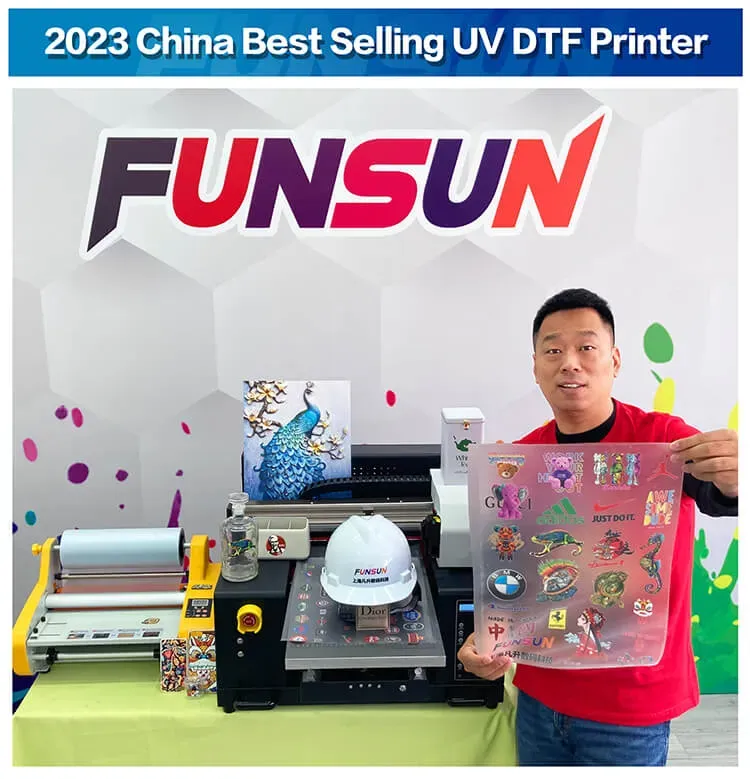
In the world of modern printing technologies, UV DTF printing represents a cutting-edge solution that is redefining the landscape for businesses. This innovative method, which stands for UV Direct to Film printing, combines the advantages of digital printing technology with the versatility needed for various substrates. As companies navigate the choices between UV DTF and traditional printing methods such as screen printing and offset printing, it's essential to recognize how UV DTF can deliver both speed and impeccable quality. With its rapid curing process and ability to produce vibrant, durable prints, UV DTF printing provides a compelling alternative that often outshines its more established counterparts. This article will explore the nuances of UV DTF printing compared to traditional printing, shedding light on the operational differences, costs, and the quality you can expect to achieve.
When it comes to advanced printing techniques, alternatives like UV Direct to Film printing offer remarkable capabilities that are gaining popularity among businesses. This method employs ultraviolet light to instantly cure inks on specially coated films, facilitating high-quality production that can cater to diverse applications, including signage and textiles. In juxtaposition with conventional techniques such as screen printing, the unique attributes of UV DTF printing stand out, particularly in its ability to produce intricate designs with striking detail. Furthermore, the demand for cost-effective printing solutions has led many to assess UV DTF vs traditional printing methods, especially given the rise of custom jobs and the need for rapid turnaround times. As we delve deeper into these printing processes, understanding their comparative strengths will help you make more informed choices for your projects.
Understanding UV DTF Printing
UV DTF printing, or UV Direct to Film printing, is revolutionizing the way designs are applied to various substrates. It utilizes advanced digital printing technology to transfer vibrant colors directly onto a film, which is then cured using ultraviolet light. This method is especially noteworthy for its ability to produce high-quality prints with rapid curing, ensuring minimal wait time between production and delivery. In applications where speed and quality are paramount, UV DTF stands out as a superior choice over traditional printing techniques.
Moreover, the versatility offered by UV DTF printing allows businesses to apply designs to a wide array of materials, from delicate textiles to durable surfaces. This flexibility is invaluable in meeting the diverse needs of customers looking for customized products. The ability to adapt to different substrates without compromising print quality enhances the appeal of UV DTF, making it an ideal option for businesses that want to explore new markets and product lines.
Pros and Cons of Traditional Printing Methods
Traditional printing encompasses techniques such as screen printing and offset printing that have stood the test of time. These methods are often lauded for their reliability and cost-effectiveness, particularly for large volume runs. The setup process for traditional printing can be lengthy, which makes it less suitable for short runs or custom jobs. However, once set up, these methods can produce prints at a lower cost per unit, making them a preferred option for businesses that frequently require large quantities of printed materials.
Despite their advantages, traditional printing methods do have limitations. The need for extensive setup time can pose challenges in today’s fast-paced market, where instant gratification and quick turnaround times are becoming the norm. Additionally, traditional printing may not offer the same level of detail or color vibrancy that UV DTF printing technology provides, particularly on complex designs or intricate graphics.
Key Differences: UV DTF vs. Traditional Techniques
When comparing UV DTF printing with traditional techniques like screen printing, a few fundamental differences emerge. The most significant advantage of UV DTF lies in its ability to produce prints with exceptional color fidelity and durability. Unlike traditional methods, which often rely on physical screens or plates, UV DTF directly prints the image onto a film, minimizing the risk of color misalignment or inconsistency. This results in high-quality prints that are resistant to fading, scratching, and degrading over time.
In addition to quality, the speed of production is another critical distinguishing factor. UV DTF printing allows for immediate curing when exposed to UV light, drastically reducing turnaround times. In contrast, traditional methods may require several days for setup and curing, making them less efficient for businesses that require quick production cycles. Hence, for projects demanding immediate results and excellent print fidelity, UV DTF emerges as the superior choice.
Cost-Effectiveness: UV DTF vs. Traditional Printing
Cost considerations are essential when deciding between UV DTF and traditional printing. Although the initial investment in UV DTF technology can be higher due to advanced equipment and ink prices, this method can reap long-term financial benefits for businesses with low to medium volume demands. The quick turnaround time and reduced manpower required in UV DTF mean that businesses can save on labor costs and increase their profit margins in short runs or custom jobs.
On the other hand, traditional printing methods tend to be more cost-effective for large volume productions. The ability to spread initial setup costs over a greater number of printed units results in lower costs per item. Businesses with consistent, high-volume demands may find traditional methods to be more economical, as they can capitalize on bulk production efficiencies. Thus, the choice between UV DTF and traditional printing methods largely hinges on specific business needs regarding volume and customization.
Current Industry Trends: Towards Customization and Sustainability
The printing industry has seen a significant shift in recent years towards customization and sustainability as key trends. With consumers increasingly seeking personalized products, UV DTF printing has emerged as a frontrunner in fulfilling these demands. Businesses looking to differentiate themselves in competitive markets can leverage the rapid printing capabilities and diverse substrate versatility of UV DTF, catering to unique customer desires for customized items.
Sustainability plays an equally important role in contemporary printing practices. UV DTF technology often utilizes fewer harmful materials and reduced water usage compared to traditional printing methods. As companies strive to lessen their environmental footprint, many are turning to UV DTF as a more eco-friendly alternative. This aligns with consumer preferences for sustainable practices, making UV DTF printing not only a trend in customization but also in responsible production.
What to Consider Before Choosing a Printing Method
Before settling on a printing method, businesses must evaluate several factors specific to their operational needs. Volume of printed material is a primary consideration, as low to medium volume orders align well with the advantages of UV DTF printing. The quick setup and faster production times associated with this method make it an appealing option for companies focused on agility and customization.
Another key consideration is the type of materials intended for printing. UV DTF excels with rigid substrates and specialty products, while traditional printing remains effective for textiles and bulk fabric operations. Understanding your anticipated projects and material requirements can help guide businesses in making an informed decision. Lastly, desired print quality should also factor prominently into your choice; UV DTF typically delivers higher-quality results in detail and vibrancy compared to some traditional methods.
Frequently Asked Questions
What are the key benefits of UV DTF Printing compared to Traditional Printing?
UV DTF Printing offers several advantages over Traditional Printing, including faster turnaround times due to instant curing with ultraviolet light, superior print quality with vibrant colors, and increased versatility across various materials. These features make UV DTF particularly beneficial for businesses needing custom, high-quality prints quickly.
How does UV DTF Printing stack up against Digital Printing Technology?
While both UV DTF and Digital Printing Technology involve modern printing methods, UV DTF excels in producing durable prints that can withstand wear and fading. This makes UV DTF a preferred choice for projects that require resilience, such as signage and promotional materials, compared to some standard digital prints that may not offer the same longevity.
Is UV DTF printing more cost-effective than Traditional Printing for small runs?
Yes, UV DTF Printing can be more cost-effective for small runs, as it eliminates lengthy setup times and provides quick, customized solutions. Although initial costs for UV DTF may be higher, the efficiency and flexibility it offers often balance out the costs for businesses focused on smaller, more personalized projects.
What are the challenges of switching from Traditional Printing methods to UV DTF Printing?
Switching from Traditional Printing to UV DTF Printing may involve initial learning curves, including understanding new equipment and ink handling processes. Additionally, businesses must consider the investment in UV DTF technology and the ongoing costs related to inks and maintenance. However, the potential for high-quality and diverse output can make this transition worthwhile.
Can UV DTF Printing be used on all types of materials?
Yes, UV DTF Printing is known for its versatility, as it can efficiently print on a broad spectrum of materials, including rigid and flexible surfaces. This capability contrasts with Traditional Printing methods, like Screen Printing, which may be limited to certain substrates, thus allowing businesses using UV DTF to expand their product offerings.
What sustainability advantages does UV DTF Printing have over Traditional Printing methods?
UV DTF Printing is often considered more sustainable than Traditional Printing because it generally uses less water and produces less waste during the printing process. Furthermore, the durability of UV DTF prints contributes to reduced material consumption, as products require less frequent replacement. As sustainability becomes a key consideration, the environmental impact of UV DTF is gaining attention from eco-conscious businesses.
| Aspect | UV DTF Printing | Traditional Printing |
|---|---|---|
| Speed and Efficiency | Rapid curing allows for quick turnaround times for customization and on-demand production. | Longer setup times and curing processes may lead to slower production rates. |
| Quality of Prints | Produces vibrant, durable prints resistant to fading and scratching, suitable for intricate designs. | Offers high-quality results but may face limitations based on ink consistency and other factors. |
| Material Versatility | Compatible with a wide range of substrates, including both flexible and rigid materials. | Limited by types of substrates, effective mainly for textiles and not for rigid materials. |
| Cost Considerations | Higher initial ink and equipment costs, balanced by savings in labor and time for custom jobs. | More cost-effective for high-volume production, with amortized setup costs over large runs. |
| Current Trends | Increasing demand for customization and sustainable practices has boosted its popularity. | Established methods are still reliable, but competition from newer technologies increases. |
Summary
UV DTF Printing has emerged as a game-changing technology in the printing industry, offering unparalleled speed, quality, and versatility compared to traditional printing methods. This innovative approach not only caters to the growing demand for customization but also aligns with the sustainability trends shaping modern business practices. As companies increasingly prioritize personalized and eco-friendly products, UV DTF Printing stands out, making it a valuable solution for those looking to enhance their printing capabilities and meet the diverse needs of today’s market.