
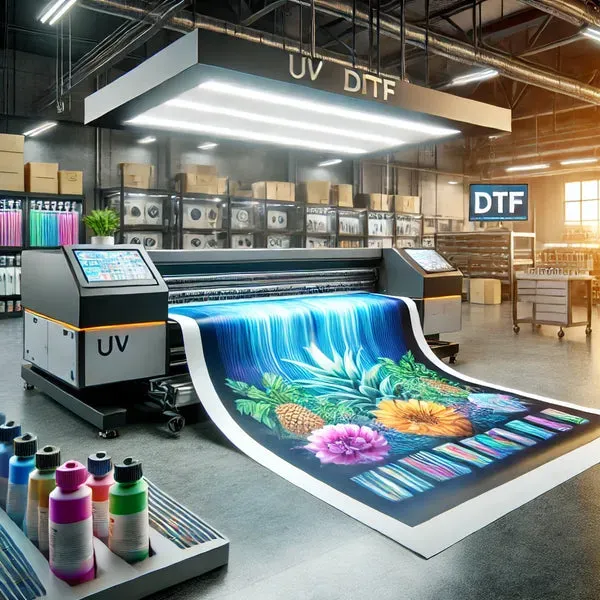
UV DTF technology is revolutionizing the printing industry by offering innovative solutions that prioritize both quality and sustainability. As businesses strive for environmentally responsible practices, UV Direct to Film (DTF) printing emerges as a frontrunner in sustainable printing technology. This advanced printing technology utilizes eco-friendly ink, allowing for vibrant color reproduction while minimizing environmental impact. With its capabilities in customized printing solutions, UV DTF meets the growing demand for personalized products across various markets. In this blog post, we will explore the latest trends in UV DTF technology and their implications for businesses and consumers alike.
In recent years, the evolution of direct-to-film printing has garnered significant attention within the printing sector. This cutting-edge method allows for a seamless transfer of designs onto multiple surfaces, blending creativity with efficiency. Known for its adaptability and environmental benefits, this innovative approach is paving the way for future trends in the industry. As manufacturers increasingly rely on sustainable printing solutions, the demand for eco-friendly inks and versatile applications is surging. This article will delve into the transformative nature of direct film technology and how it shapes the landscape of modern printing.
The Rise of UV DTF Technology as a Sustainable Printing Solution
As consumers become increasingly conscious of their impact on the environment, UV DTF (Direct to Film) technology has emerged as a frontrunner in sustainable printing solutions. Unlike conventional printing techniques that rely heavily on volatile organic compounds (VOCs), UV DTF utilizes eco-friendly inks that cure instantly under UV light. This not only minimizes hazardous waste but also significantly reduces energy consumption during the printing process. With manufacturers shifting towards more sustainable practices, businesses now have the opportunity to align their operational methods with eco-conscious consumer preferences.
The adoption of UV DTF technology means businesses can achieve high-quality prints while embracing an eco-friendly approach. This technology meets rigorous sustainability standards, making it an ideal choice for companies looking to enhance their brand image. For instance, industries such as fashion and promotional products can utilize UV DTF printing to create vibrant, customized designs without contributing heavily to environmental degradation, thereby creating a balance between profitability and responsibility.
Versatility of UV DTF Printing Across Industries
One of the standout features of UV DTF technology is its remarkable versatility. Businesses can print on an extensive range of materials, including textiles, plastics, wood, and metal, which broadens the scope for creative applications. This adaptability enables companies from various sectors—such as home décor, fashion, and advertising—to produce diverse products that cater to different market demands. As businesses seek to differentiate themselves in competitive landscapes, the ability to leverage such a multifaceted printing solution is invaluable.
Moreover, the adaptability of UV DTF technology allows for efficient on-demand printing, which significantly reduces waste and enhances production efficiency. Companies can quickly respond to market trends or customer requests without the need to invest in multiple types of printing equipment. This streamlined process not only fosters innovation but also supports businesses in achieving economies of scale, effectively meeting the rising consumer demand for personalized and custom products.
Innovations in Ink Technology for UV DTF Printing
The advancements in ink technology are pivotal to the success of UV DTF printing. As the industry evolves, manufacturers have developed high-performance UV curable inks that provide exceptional adhesion, vibrant colors, and increased durability. These innovations ensure that prints not only look stunning but can also withstand various environmental conditions, making them suitable for both indoor and outdoor applications. This quality assurance elevates customer satisfaction and strengthens brand loyalty.
Additionally, the formulation of eco-friendly inks aligns with the industry-wide push towards sustainability. These inks are crafted to be non-toxic, reducing harmful emissions associated with traditional printing methods. As consumers prioritize sustainability in their purchasing decisions, businesses utilizing UV DTF technology with eco-friendly inks position themselves as leaders in environmentally responsible practices, appealing to an increasingly eco-conscious market.
Customization Through UV DTF Technology
In today's marketplace, the demand for customization is more significant than ever. UV DTF technology perfectly meets this need, allowing businesses to create tailored products quickly and efficiently. This on-demand printing capability enables companies to produce unique designs that resonate with individual customer preferences, leading to higher engagement and satisfaction. As a result, businesses can develop niche markets and drive sales through personalized offerings without the burden of mass production.
The ability to customize does not compromise quality; rather, it enhances the overall customer experience. With UV DTF technology, brands can provide their clients with high-quality, innovative solutions that adapt to changing market demands. This trend not only boosts customer loyalty but also opens new revenue streams, ensuring that businesses remain competitive and relevant in an increasingly personalized consumer landscape.
The Impact of Automation and AI on UV DTF Processes
The integration of automation and artificial intelligence (AI) within UV DTF printing processes marks a significant advancement in production efficiency. Automation aids in streamlining repeated tasks, such as color matching and quality control, drastically reducing both time and human error. These enhancements in efficiency not only lower production costs but also elevate the overall quality and consistency of the printed products, meeting the high expectations of today’s consumers.
AI plays a critical role in optimizing printing processes further by analyzing patterns and predicting potential issues before they arise. As the demand for quicker turnaround times continues to rise, businesses leveraging automated UV DTF solutions will benefit from enhanced productivity without sacrificing quality or sustainability. This fusion of technology propels businesses to elevate their production capabilities, ensuring they stay ahead in a competitive market.
Navigating Competition in the UV DTF Market
As UV DTF technology gains traction across various industries, it has sparked increased competition both from established players and new entrants. This evolving landscape compels businesses to innovate continuously and seek ways to differentiate themselves from their competitors. While this rising competition may seem daunting, it also presents opportunities for enhanced product offerings and competitive pricing strategies, benefiting consumers in the long run.
Staying informed about emerging competitors and industry trends is vital for businesses aiming to maintain their market position. By embracing innovative printing technologies such as UV DTF and prioritizing sustainability, companies can not only respond to market changes proactively but also attract a dedicated customer base looking for eco-friendly products. Ultimately, the growth of UV DTF printing technologies is a testament to the industry's adaptability and commitment to meeting the diverse needs of today’s consumers.
Frequently Asked Questions
What is UV DTF printing and how does it work?
UV DTF printing, or UV Direct to Film printing, is a modern printing technology that uses UV-cured inks to transfer vibrant images onto various substrates. This advanced printing technology works by printing designs onto a special film, which is then cured using UV light. The result is high-quality graphics that can adhere to multiple surfaces, making it an ideal choice for customized printing solutions.
Why is UV DTF technology considered a sustainable printing technology?
UV DTF technology is deemed a sustainable printing technology because it significantly reduces energy consumption and minimizes harmful emissions compared to traditional printing methods. This eco-friendly ink technology aligns with the global trend toward environmental sustainability, allowing businesses to reduce their carbon footprint while still producing high-quality prints.
What applications can benefit from UV DTF technology?
UV DTF printing technology offers versatility across a wide range of applications, including textiles, promotional products, fashion items, and home decor. Its ability to adapt to various materials makes it a favored option for businesses looking for customized printing solutions that cater to different market segments.
How does UV DTF technology support the demand for customization?
UV DTF technology supports the growing demand for customization by enabling on-demand printing capabilities. Businesses can efficiently produce tailor-made solutions without compromising quality, making it easier to respond to customer preferences and enhance overall customer satisfaction.
What advancements are being made in ink technology for UV DTF printing?
Recent advancements in ink technology for UV DTF printing include the development of UV-curable and eco-friendly inks. These inks not only provide better adhesion and vibrant colors but also enhance the durability of prints, making them suitable for both indoor and outdoor applications.
How is automation integrated into UV DTF printing processes?
Automation in UV DTF printing processes involves the use of technology to streamline tasks such as color matching and quality control, thereby improving efficiency and consistency. This integration helps businesses reduce waste and enhance production speed, meeting the increasing demand for quick turnaround times.
| Trend | Key Points |
|---|---|
| Sustainability and Eco-Friendliness | UV DTF printers consume less energy and emit fewer pollutants, aligning with global sustainability trends. |
| Versatility in Applications | Adapts to various materials, supporting industries like fashion and home decor. |
| Advancements in Ink Technology | UV-curable inks ensure better adhesion, vibrant colors, and enhanced durability. |
| Growing Demand for Customization | On-demand printing capabilities meet consumer demand for personalized products. |
| Integration of Automation and AI | Automation in processes boosts efficiency and consistency in printing. |
| Emerging Market Competitors | New entries in the market stimulate innovation and drive down costs. |
Summary
UV DTF technology is revolutionizing the printing landscape with its focus on sustainability and efficiency. As businesses and consumers become more aware of environmental concerns, the demand for eco-friendly printing solutions becomes paramount. The innovative nature of UV DTF allows for versatility in applications across various materials, enabling companies to produce high-quality customized products efficiently. Furthermore, advancements in ink technology, alongside the integration of automation and AI, enhance the durability and quality of prints while streamlining production processes. Staying informed about emerging market trends and embracing these technologies positions businesses to thrive in a competitive marketplace. UV DTF technology is set to continue shaping the future of printing, providing exciting opportunities for innovation and growth.