
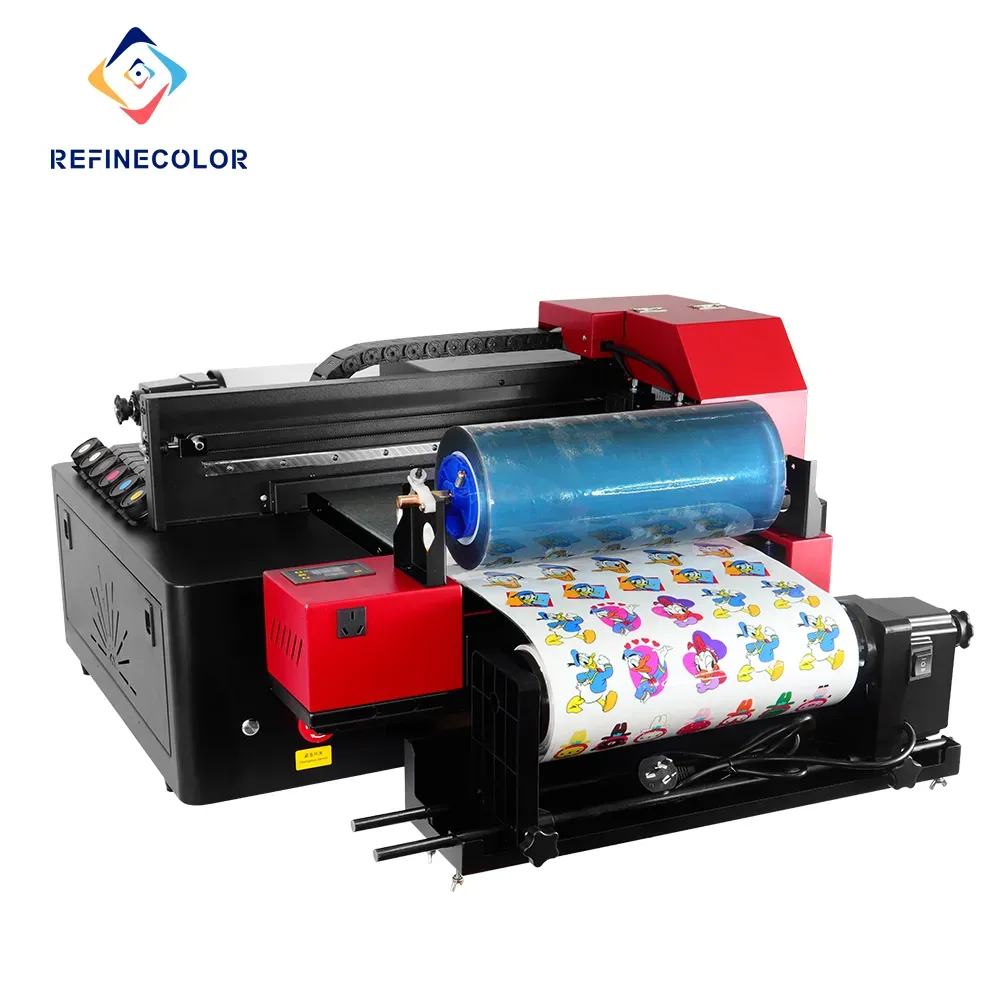
UV DTF, or Ultraviolet Direct-to-Film printing, represents a revolutionary shift in printing technology, melding the advantages of UV printing with the flexibility of Direct to Film methods. In today's competitive landscape, businesses are constantly on the lookout for innovative solutions that provide high-quality results while catering to diverse materials. This cutting-edge technology not only guarantees vibrant colors and intricate designs but also addresses the growing demand for sustainable printing options. With its quick curing times and impressive durability, UV DTF is setting new standards in the realm of custom printing solutions. As we delve deeper into this progressive method, we will highlight its benefits, recent advancements, and why it stands out among current printing technology trends.
Often referred to as UV Direct-to-Film printing, this advanced printing technique harnesses the power of ultraviolet light to cure inks onto flexible films, which are then transferred onto a variety of surfaces. As the printing industry embraces this innovative solution, terminology surrounding this technology emphasizes its unique features and capabilities. By integrating UV technology with Direct-to-Film processes, businesses can achieve remarkable versatility and efficiency in their printing endeavors. This method is not only redefining standards for print quality but is also gaining traction among environmentally-conscious companies due to its reduced waste and energy consumption. In a world increasingly driven by customization and speed, UV DTF positions itself as a significant player in the future of printing.
The Rise of UV DTF in Printing Technology
In recent years, the printing industry has experienced a tremendous shift, with the adoption of UV DTF (Ultraviolet Direct-to-Film) technology leading the charge. This innovative method stands at the intersection of sustainability and high-quality output, making it appealing for businesses that prioritize both efficiency and environmental responsibility. By leveraging ultraviolet light, UV DTF not only speeds up the curing process but also enhances the vibrancy and durability of printed materials. The result is a printing solution that meets the demands of modern customers seeking unique, customized products.
As industries increasingly look for ways to enhance their production capabilities, the rise of UV DTF printing is no surprise. The technology's ability to print on a variety of substrates—from textiles to hard surfaces—offers an unparalleled level of flexibility, allowing businesses to expand their offerings without compromising on quality or design. With the growing trend towards customization, UV DTF has positioned itself as a leading option for companies looking to differentiate themselves in a competitive marketplace.
Key Benefits of UV DTF Printing Technology
One of the standout advantages of UV DTF printing is its unmatched versatility. Unlike traditional printing methods, which may be limited to specific materials, UV DTF can efficiently handle a variety of substrates, including plastics, metals, and fabrics. This flexibility makes it ideal for industries like fashion and promotional products, where the ability to offer customized solutions is essential. Moreover, the durability of UV-cured inks ensures that designs maintain their vibrancy and integrity, even under challenging conditions, thus extending the lifespan of the printed items.
In addition to versatility, the high-quality output of UV DTF printing cannot be overlooked. The technology allows for precise details and a rich color palette, enabling businesses to produce intricate designs that capture attention. The resulting prints are not only visually appealing but also deliver a level of resolution that enhances branding efforts. With customers continuously seeking standout products, the superior quality of UV DTF prints significantly contributes to a brand's competitive edge.
Sustainability in UV DTF Printing
As sustainability becomes a prominent focus for businesses across various sectors, UV DTF printing emerges as a viable solution that aligns with eco-friendly practices. Utilizing UV light for curing inks considerably reduces energy consumption compared to traditional methods. Furthermore, this technology generates less material waste, which is critical for organizations aiming to minimize their environmental impact. By adopting UV DTF printing, businesses not only improve their operational efficiency but also position themselves as industry leaders in sustainable practices.
The ability of UV DTF to incorporate sustainable elements into the printing process is a significant selling point for many organizations. For instance, the use of environmentally friendly inks and substrates aligns with the values of an increasingly conscious consumer base, encouraging brands to thrive in a market that favors ethical purchasing. As more companies commit to sustainability, they will find that UV DTF printing not only supports their green initiatives but also attracts clientele that prioritizes eco-friendly products.
Technological Advancements Driving UV DTF
Recent technological advancements have greatly enhanced UV DTF printing capabilities, making it faster, more efficient, and user-friendly. Leading manufacturers are constantly innovating, introducing machines equipped with advanced features such as quicker print speeds and better ink formulations. These enhancements not only improve the quality of printed items but also streamline production processes, allowing businesses to meet customer demands more effectively. As UV DTF technology progresses, it is expected to continue evolving, setting new standards in the printing industry.
Moreover, the development of user-centric interfaces and automated features in UV DTF printing machines simplifies operation, enabling even small businesses with limited printing experience to adopt this technology. Training can also be minimized due to intuitive designs and readily available resources, thus reducing the learning curve considerably. This accessibility to cutting-edge technology broadens the appeal of UV DTF printing, allowing more businesses to tap into its advantages without the barrier of extensive training.
The Growing Market for UV DTF Solutions
Market projections indicate that UV DTF printing is on a rapid growth trajectory, driven by increasing demand for customizable products and ongoing advancements in printing technology. As more businesses recognize the benefits of UV DTF, its adoption is expected to expand, particularly in sectors like advertising, fashion, and promotional merchandise. Reports suggest that the versatility of UV DTF technology to cater to diverse customer needs positions it as a preferred choice among printing solutions.
Furthermore, as the market for UV DTF printing strengthens, opportunities for collaboration and innovation arise. Businesses may explore partnerships with technology providers, graphic designers, and content creators to leverage UV DTF’s unique offerings. This synergy can lead to new product lines and creative ideas that meet evolving consumer preferences, ultimately propelling the market forward. As the printing industry adapts to growing trends, those investing in UV DTF technology position themselves favorably for future success.
Challenges Faced by UV DTF Printing
Despite its numerous benefits, UV DTF printing is not without its challenges. One of the major hurdles is the initial financial investment required to purchase specialized printing equipment, which may deter small businesses from transitioning to this technology. Manufacturers often need to allocate substantial resources for UV DTF machines, which can be a significant barrier for those with tight budgets.
Additionally, the implementation of new technology introduces a learning curve that can present operational challenges. Employees may need training to operate, maintain, and troubleshoot UV DTF printers effectively. This necessity for skill development can add to operational costs and create a temporary slowdown in production as employees come up to speed. Despite these challenges, the long-term benefits of adopting UV DTF printing often outweigh the initial obstacles presented.
Frequently Asked Questions
What is UV DTF printing technology and how does it work?
UV DTF printing technology, or Ultraviolet Direct-to-Film printing, utilizes UV light to cure ink onto a film that can then be transferred onto various substrates. This method allows for vibrant colors and detailed designs without the need for heat or pressure, making it ideal for custom printing solutions on materials ranging from textiles to metals.
What are the key benefits of using UV DTF over traditional printing methods?
The advantages of UV DTF include its versatility in printing on diverse materials, durability of prints due to strong ink adhesion, and high-quality output with sharp details and vibrant colors. Compared to traditional methods, UV DTF is also more energy-efficient and reduces material waste, aligning with sustainable printing practices.
Is UV DTF printing suitable for sustainable printing solutions?
Yes, UV DTF printing is considered a sustainable printing solution. It consumes less energy and minimizes waste compared to conventional printing techniques such as offset and sublimation printing. This makes it a popular choice for businesses aiming to reduce their carbon footprint.
How does UV DTF technology enhance customization in printing?
UV DTF technology enables high-quality, detailed prints on various substrates, allowing businesses to create highly customized products that cater to specific customer demands. This capability is particularly valuable in markets requiring unique designs, such as fashion and promotional products.
What should businesses consider when investing in UV DTF printing technology?
When investing in UV DTF printing technology, businesses should consider the initial equipment costs, the learning curve associated with new machines, and the potential need for staff training. While the upfront investment can be significant, the potential for high-quality, custom printing solutions can lead to greater returns.
What trends are shaping the future of UV DTF printing in the industry?
Trends influencing UV DTF printing include increasing market adoption across sectors like apparel and promotional products, advancements in printing technology that improve speed and color vibrancy, and a growing emphasis on sustainability in printing practices. These trends indicate a promising future for UV DTF as businesses seek innovative and efficient solutions.
| Key Points | Description |
|---|---|
| Understanding UV DTF | UV DTF combines UV printing with Direct-to-Film methods, allowing high-quality prints on various materials. |
| Industry Adoption | Significant adoption across sectors like apparel and signage due to efficiency and flexibility. |
| Technological Advancements | New machines from manufacturers feature improvements for faster printing and enhanced color vibrancy. |
| Sustainability | UV DTF is eco-friendly, consuming less energy and producing less waste compared to traditional methods. |
| Market Growth | Projected significant growth due to rising demand for customization and advancements in technology. |
| Benefits | Versatile and durable prints with high resolution, appealing to businesses in many industries. |
| Challenges | High initial investment and training requirements can be barriers for small businesses. |
Summary
UV DTF is revolutionizing the printing industry by offering exceptional versatility, durability, and high-quality outputs that meet modern consumer demands. As businesses look to innovate, the benefits of UV DTF technology become increasingly evident, allowing for vibrant prints on a diverse range of materials. Furthermore, the sustainability aspect of UV DTF plays a crucial role in aligning with the environmental goals of contemporary enterprises. With continuous advancements and market acceptance, UV DTF is set to establish itself as a cornerstone in future printing solutions.