
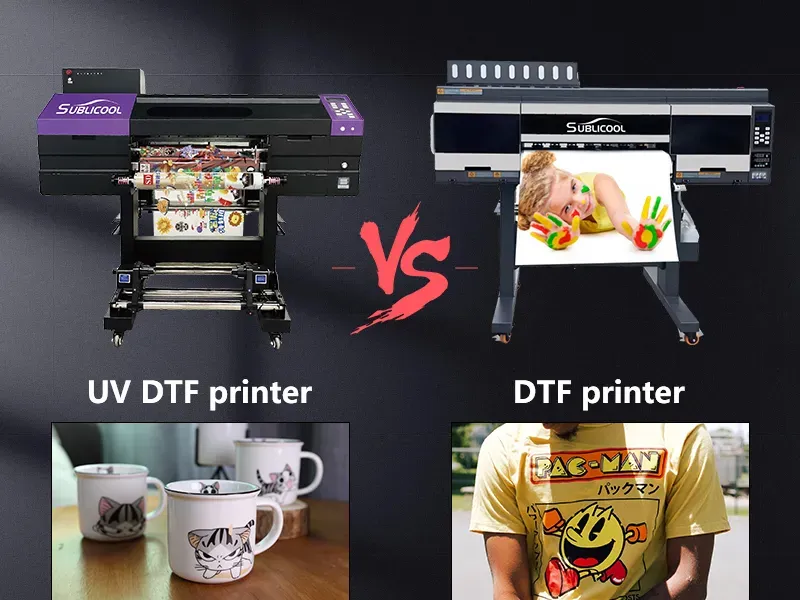
In the realm of custom printing techniques, the debate surrounding UV DTF vs. traditional printing remains a hot topic among professionals and enthusiasts alike. Both methods have their unique strengths, yet understanding the UV printing advantages can significantly influence business decisions. As UV DTF (Direct-to-Film) continues to gain traction, it presents an exciting alternative to traditional screen printing, known for its cost-effectiveness in larger runs. This exploration of the benefits of UV DTF shows how it can deliver high-quality prints with quick turnaround times, making it a preferred choice for many. However, traditional printing still holds appeal for those who prioritize consistency and economies of scale in their projects.
When comparing UV DTF and classic printing approaches, it’s essential to delve into the nuances of each method. Modern techniques like Direct-to-Film printing utilize cutting-edge technology to achieve vibrant results, whereas legacy methods such as screen printing have a longstanding history in garment decoration. Each technique offers distinct advantages, catering to various demands in the custom printing landscape. The choice between these methods often hinges on project specifics, including material compatibility and production volume. Understanding the unique benefits of UV DTF alongside those of traditional methods empowers businesses to make informed decisions that align with their operational goals.
Exploring the Advantages of UV DTF Printing
UV DTF printing has revolutionized the way designers approach custom printing techniques. By utilizing ultraviolet light, this method cures inks quickly, resulting in high-quality prints that are both vibrant and durable. The versatility of UV DTF allows it to be used on a variety of surfaces, including fabrics, metals, and plastics, making it an ideal choice for businesses looking to create diverse product lines. With a faster turnaround time compared to traditional methods, companies can meet the growing demands for personalized items without sacrificing quality.
Moreover, one of the standout advantages of UV DTF printing is its eco-friendly capabilities. Many inks used in this process are compliant with environmental standards, posing fewer risks to both the printer and the environment. As consumers are increasingly inclined towards sustainable products, businesses can use UV DTF to not only fulfill market demands but also to enhance their brand reputation by being environmentally conscious.
Understanding Traditional Screen Printing
Traditional screen printing has long been celebrated for its effectiveness and reliability in the garment decoration industry. This method allows for comprehensive layering of inks, which produces rich colors and intricate designs that have stood the test of time. The thickness of the ink used in screen printing is often greater, resulting in prints that are not just visually appealing but also highly durable, able to withstand numerous washes without fading.
One of the primary benefits of traditional screen printing is its cost-effectiveness when producing large volumes. As the quantity of prints increases, the cost per unit significantly decreases, making it the preferred choice for businesses looking to fulfill bulk orders. This scalability is a key factor in why many established companies continue to rely on traditional methods despite the rise of modern techniques like UV DTF.
Key Comparisons: UV DTF vs. Traditional Printing
When comparing UV DTF vs. Traditional Printing, several factors must be carefully considered. On one hand, UV DTF provides a rapid production method, ideal for custom pieces with quick turnaround times. On the other hand, traditional printing excels in delivering consistent quality over larger runs, which can be particularly beneficial for businesses that require large batches of the same design.
Additionally, UV DTF printing allows tremendous flexibility in the substrates that can be printed on, significantly expanding the possibilities for creative applications. In contrast, traditional printing, especially screen printing, finds its strength in a well-established process that guarantees predictable results, often desired by businesses with stringent quality standards.
The Versatility of UV DTF for Custom Projects
One of the most compelling benefits of UV DTF printing is its exceptional versatility for custom printing projects. Businesses can produce intricate designs that were once deemed too complex for traditional methods, opening the door to new creative possibilities. Whether it’s work uniforms, promotional items, or personalized gifts, UV DTF can accommodate a wide range of materials, ensuring that designs maintain their vibrancy and detail.
Moreover, the adaptability of UV DTF printing aligns perfectly with the trend toward personalization in products. As consumers seek items that reflect their individual styles, businesses using this technology can quickly respond to this demand, providing bespoke solutions that stand out in a crowded market.
Evaluating the Disadvantages of UV DTF Printing
Despite its advantages, it's important to address the disadvantages associated with UV DTF printing. The initial costs tied to acquiring the necessary equipment can be prohibitive for smaller businesses, creating an upfront challenge for those looking to enter the custom printing arena. Additionally, the learning curve required to operate UV DTF printers effectively means that businesses may need to invest time and resources into training their staff, which could delay the implementation of this technology.
Furthermore, while UV DTF offers enhanced durability compared to many traditional methods, the longevity of prints can sometimes depend on the care instructions followed, which may not always be clear to end-users. As a result, businesses must ensure that customers are informed about proper handling to maintain print quality.
Market Trends Influencing Printing Technology Choice
As advancements in printing technologies continue to emerge, the market sees an undeniable shift toward modern solutions like UV DTF printing. The growing demand for customization and quick service has prompted businesses to adopt these innovative methods to stay relevant. Print shops are increasingly diversifying their offerings by integrating UV DTF, thereby closing the gap left by traditional techniques that may not satisfy contemporary consumer trends.
In contrast, traditional screen printing remains popular, especially among businesses prioritizing quality and reliability for bulk orders. This sector often capitalizes on the time-tested processes that characterize traditional methods, ensuring that they can efficiently meet large demands while maintaining consistency. As such, businesses analyzing their printing options must balance the benefits of trend-forward technologies with the proven advantages of established methods.
Frequently Asked Questions
What are the key UV printing advantages over traditional screen printing?
UV printing advantages include vibrant colors, intricate designs, and quick curing times, making it an ideal choice for custom orders. Unlike traditional screen printing, which may require longer setup times, UV DTF printing allows for rapid production and versatility across various materials.
How does the durability of UV DTF compare to traditional printing methods?
UV DTF boasts enhanced durability over traditional printing methods. The UV-cured inks resist fading, scratching, and washing imperfections better than many conventional inks used in traditional screen printing, ensuring long-lasting high-quality prints.
What are the benefits of UV DTF for custom printing techniques?
The benefits of UV DTF for custom printing techniques include its ability to produce high-resolution images on diverse surfaces, quick turnaround times for small runs, and the use of eco-friendly inks. This makes it a perfect fit for personalized items and short production runs.
Is traditional screen printing still cost-effective for larger orders compared to UV DTF?
Yes, traditional screen printing remains cost-effective for larger orders due to lower per-piece costs achieved through bulk production. The initial setup can be offset by the efficiencies gained in high-volume runs, making it a preferred choice for large-scale projects.
What are the challenges of UV DTF compared to traditional printing techniques?
Challenges of UV DTF compared to traditional printing include a higher initial equipment investment and a steeper learning curve in mastering color management and curing processes. While UV DTF offers advanced benefits, businesses must weigh these initial barriers against long-term advantages.
Which printing method is better suited for customization: UV DTF or traditional methods?
UV DTF is better suited for customization due to its quick setup for short runs and ability to print intricate designs on various materials. While traditional methods excel in mass production, UV DTF caters effectively to the growing demand for unique and tailored prints.
| Key Aspect | UV DTF Printing | Traditional Printing |
|---|---|---|
| Definition | Uses UV light to cure inks on film for various surfaces. | Transfers ink through a mesh screen on fabrics. |
| Versatility | Can print on textiles, plastics, metals and more. | Primarily focuses on textiles, limiting material variety. |
| Turnaround Time | Offers quick production times, ideal for small batches. | Slower due to setup processes and layering colors. |
| Cost For Bulk | Higher initial setup costs for equipment. | More cost-effective for larger orders due to decreased cost per piece. |
| Durability | UV-cured prints resist fading and scratching. | Known for long-lasting quality and vibrant colors. |
| Environmental Impact | Can use eco-friendly inks, reducing environmental impact. | Some methods use solvent-based inks, which may be harmful. |
Summary
UV DTF vs. Traditional Printing is a significant topic for those in the garment and material decoration industry, as businesses must choose the method that aligns best with their needs. UV DTF printing stands out for its remarkable versatility and rapid turnaround times, making it a favorite for custom orders. In contrast, traditional printing methods remain preferred for larger-scale productions due to their cost-effectiveness and reliable quality. Ultimately, the decision should reflect your specific goals, production volume, and budget, allowing for an effective strategy that meets market demands in today's competitive landscape.