
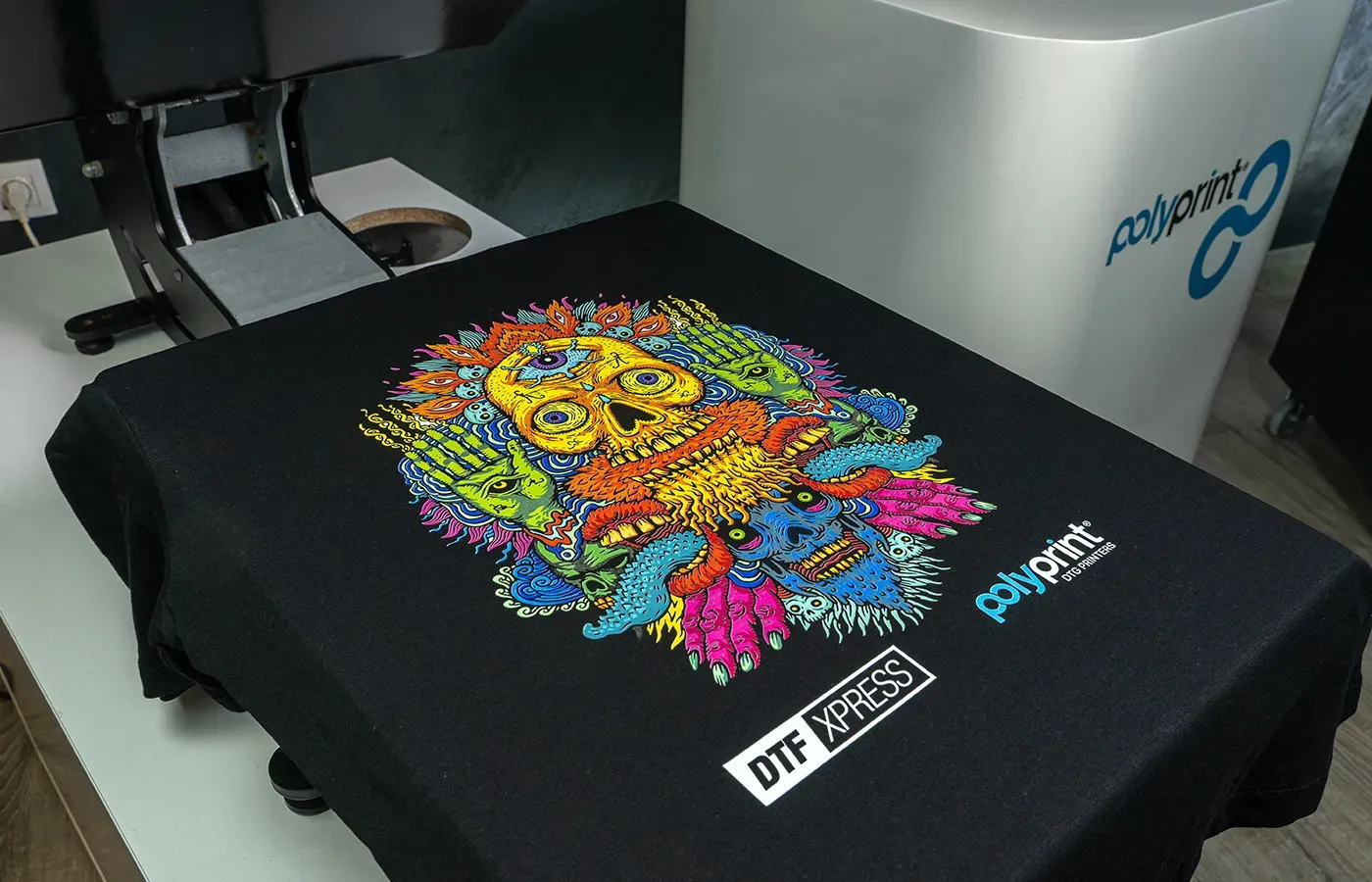
DTF printing, or Direct to Film printing, is reshaping the landscape of custom apparel production, offering enthusiasts and small businesses alike the ability to create eye-catching designs with ease. This cutting-edge technique stands out for its capacity to produce vibrant, durable prints on a variety of textiles, making it a go-to choice for those new to fabric printing. If you're wondering how to start DTF printing, you'll find that understanding the DTF transfer process and the equipment needed is essential. In this guide, we’ll delve into how DTF printing works, along with invaluable tips for beginners eager to embark on this creative journey. With the right knowledge and tools, you can turn your design ideas into reality using DTF printing.
The world of textile decoration is being transformed by this innovative printing process known as Direct to Film (DTF) printing. This method allows for intricate designs to be printed on a specialized film before being transferred onto fabric, resulting in stunning visual effects that stand the test of time. For those new to this field, grasping the fundamentals of the DTF transfer process and the required printing equipment is crucial for success. Although DTF is a relatively recent development in the realm of fabric printing, it presents endless possibilities for creative expression. As we explore further, you’ll learn how to kickstart your DTF printing adventure with beginner-friendly insights and expert tips.
Understanding the Basics of DTF Printing
DTF printing, or Direct to Film printing, is an emerging technology that has changed the landscape of custom textile printing. This process allows users to create designs on a specially coated film that can then be transferred onto various fabrics. The beauty of DTF printing lies in its ability to produce vibrant, high-quality prints that are both durable and flexible, making it an ideal choice for those who want to personalize their garments. For beginners, understanding the basics of DTF printing can be a game changer in their foray into custom apparel.
At its core, DTF printing negates the limitations of traditional printing methods by providing a simple yet effective way to transfer intricate designs onto fabric. The workflow typically starts with designing an artwork using graphic design software, which is then printed onto transfer film with a DTF printer. This allows for a wide range of color vibrancy that is often difficult to achieve with conventional techniques, making DTF printing an attractive option for aspiring creators.
Essential Equipment Needed for DTF Printing
To get started with DTF printing, there are several pieces of essential equipment that every beginner should consider. The most critical is a DTF printer, which is specifically designed to handle the unique requirements of this printing method. While some might think of modifying an existing inkjet printer, investing in a dedicated DTF printer is advisable for achieving consistent quality and reducing potential frustrations.
In addition to a DTF printer, you will also need DTF transfer film, which is specially coated to accept inks effectively. Alongside this, powder adhesive plays a crucial role in ensuring that the printed designs adhere strongly to the fabric during the heat transfer process. Finally, a reliable heat press machine is necessary to apply the required heat and pressure, helping to finalize the transfer and ensure longevity of the designs.
Step-by-Step Breakdown of the DTF Transfer Process
The DTF transfer process involves several steps, each critical for achieving a successful print. Initially, you'll begin with preparing your artwork, which requires setting the appropriate dimensions and color profiles in graphic design software. This foundational step ensures that your final design will match your artistic vision when transferred onto fabric.
Once your artwork is prepared, the next step is to print it onto DTF transfer film. Ensure your printer's settings are optimized for the transfer film to prevent issues like ink smearing. After printing, right before the ink dries, sprinkle the powder adhesive onto the film to create a secure bond. Following this, curing the adhesive is essential, as it solidifies the bond during heat application.
Tips for Success in DTF Printing
One of the most important tips for beginners in DTF printing is to start simple. Focusing on basic designs and color schemes will ease the learning curve and reduce the chances of wasting resources on complicated prints that may not turn out as expected. As you gain confidence, feel free to experiment with more intricate designs.
Additionally, conducting test prints is crucial in refining your technique. By experimenting and practicing with different printer settings and materials, you can discover what works best for your particular setup. Joining an online community or forum dedicated to DTF printing can also provide invaluable insights and advice from more experienced users.
Choosing the Right Inks for DTF Printing
Selecting the right inks is a pivotal aspect of successful DTF printing. Typically, DTF printing requires specific water-based inks designed to bond effectively with the DTF transfer film. These inks are not only colorful but are also designed for durability, ensuring your prints withstand multiple washes without fading.
Using inadequate inks can lead to a host of problems, including poor adhesion and color vibrancy. Therefore, it's essential to invest in high-quality inks that are compatible with your DTF printer. Research various brands and read reviews from other DTF users to make an informed decision when purchasing your inks.
Resources and Learning Materials for Aspiring DTF Printers
There are numerous resources available for those looking to enhance their DTF printing skills. Online tutorials, particularly video demonstrations, can offer visual guidance on the entire process, from preparing artwork to executing the actual transfer. Websites like YouTube host a wealth of instructional videos that can help clarify any confusion regarding DTF printing.
Moreover, blogs and online articles dedicated to printing techniques can provide deeper insights into the DTF process and troubleshooting tips. Participating in forums and online communities can also facilitate interaction with fellow enthusiasts, creating opportunities for shared learning and support as you navigate your printing journey.
Frequently Asked Questions
How to start DTF printing as a beginner?
To start DTF printing, first gather essential equipment, including a DTF printer, DTF transfer film, support adhesive, and a heat press machine. Next, learn the DTF transfer process: design your artwork, print it onto DTF film, apply adhesive, and then heat transfer it to the fabric. Taking online courses or watching tutorials can also help beginners understand how DTF printing works effectively.
What equipment do I need for DTF printing?
For DTF printing, you will need a DTF printer that can handle the specific inks required, high-quality DTF transfer film, powder adhesive for bonding the print to fabric, and a reliable heat press machine to transfer your designs. Investing in good quality equipment ensures a successful DTF printing experience.
Can you explain the DTF transfer process?
The DTF transfer process involves several steps: first, design your artwork in graphic design software. Print the design onto the DTF transfer film, then sprinkle powder adhesive onto the wet ink. Cure the adhesive with heat, then use a heat press to transfer the design onto the fabric. Finally, allow it to cool before peeling off the film, leaving a vibrant design on the garment.
How does DTF printing work?
DTF printing works by printing designs onto a special transfer film, which is then applied to fabric using heat and pressure. The inks used are typically water-based and require a powder adhesive to bond to the fabric during the heat transfer process, resulting in durable and vivid prints.
What are the best tips for beginners in DTF printing?
Beginners in DTF printing should start with simple designs to practice their skills. It’s vital to conduct test prints to calibrate settings and refine techniques. Engaging with online communities can provide support and feedback, enhancing the learning experience in DTF printing.
How do I choose the right inks for DTF printing?
When choosing inks for DTF printing, opt for high-quality water-based inks specifically designed for DTF processes. These inks provide vibrant colors and durability. It's important to ensure compatibility with your DTF printer to achieve the best results.
| Key Point | Description |
|---|---|
| What is DTF Printing? | A printing technique where designs are printed on a special film and then transferred to fabric using heat and pressure. |
| DTF Printing Process | 1. Prepare artwork in graphic software. 2. Print on DTF transfer film. 3. Apply powder adhesive. 4. Cure adhesive with heat. 5. Heat transfer to fabric. 6. Cool and peel off film. |
| Required Equipment | DTF printer, DTF transfer film, powder adhesive, and heat press machine are necessary for DTF printing. |
| Choosing the Right Ink | Use specific water-based inks designed for DTF to achieve vibrant colors and durability. |
| Tips for Beginners | Start with simple designs, conduct test prints, and engage with the community for better learning and troubleshooting. |
Summary
DTF printing is an innovative method that has transformed the custom apparel landscape, allowing individuals and businesses alike to bring their designs to life on various fabrics. With a clear understanding of the DTF printing process and essential equipment, beginners can enter this vibrant field with confidence. It's crucial to start with the right tools, including a quality DTF printer and specialized transfer film, to achieve stunning results. Learning the steps, from preparing your artwork to the final heat transfer, will ensure that you produce durable and vibrant prints. As you progress, remember to be patient and seek out resources and community support to refine your skills. Embrace the creative possibilities that DTF printing offers, and watch your designs flourish!