
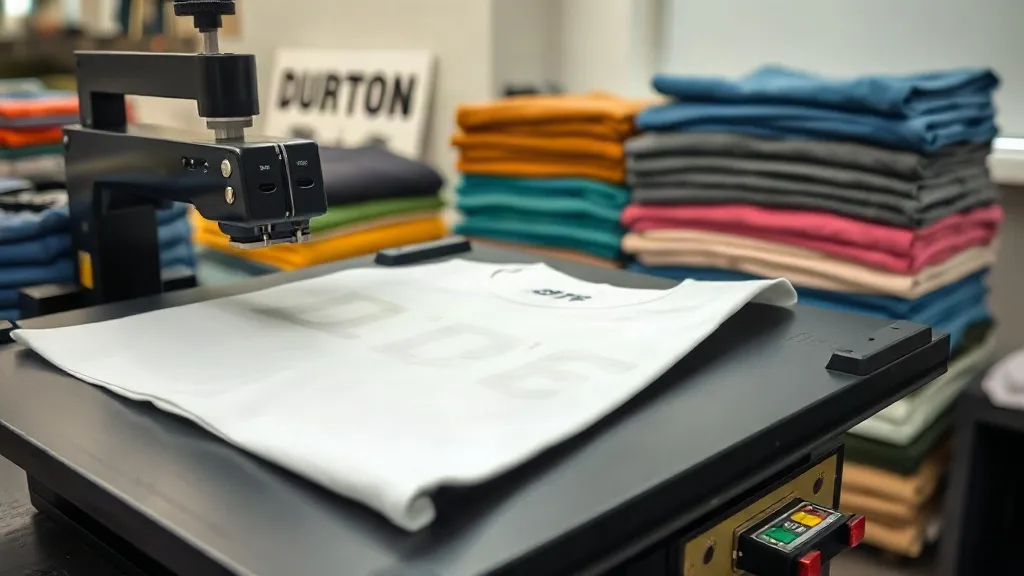
When you walk into a print shop, the hum of heat presses and the smell of freshly cured ink set the rhythm of the day. But behind every flawless DTF transfer is a decision that often gets overlooked: the blank. Choosing the right garment can make or break the final product, affecting everything from color vibrancy to wash durability. In this guide, we'll dive into how to pair shaka wear blanks with DTF printing to achieve results that impress even the most discerning customers.
Why the Blank Matters in DTF Printing
DTF transfers are versatile, but they aren't magic. The fabric composition, weave, and color of the blank all influence how the transfer adheres, how the colors pop, and how long the print lasts. A wrong choice can lead to cracking, fading, or a stiff hand feel that customers notice immediately. With Shaka Wear, you get a range of blanks designed with printing in mind, but selecting the right one requires understanding a few key factors.
Fabric Composition: Cotton vs. Blends
Shaka Wear offers both 100% cotton and cotton-poly blends. For DTF, 100% cotton is often the go-to because it handles high heat well and provides a smooth surface for the transfer. However, blends can be advantageous for certain styles. A 50/50 blend, for example, may offer a softer hand and better drape, but it requires careful temperature control to avoid scorching. The key is to test your transfers on each fabric type and adjust your press settings accordingly.
Fabric Weight: Does It Affect DTF?
Heavier fabrics like Shaka Wear's 6.5 oz tees provide a substantial canvas that can handle the pressure and heat of DTF printing without deformation. Lighter fabrics, while comfortable, may require lower pressure to avoid press marks. For DTF, a medium-to-heavy weight (5.5 oz and up) is generally more forgiving, especially for large designs that cover a significant area.
Color and Opacity
The color of the blank affects the final appearance of your DTF transfer. While DTF can print on dark garments without a white underbase, the opacity of the transfer itself matters. On light colors, the white ink layer in DTF transfers can sometimes create a slightly muted look if not properly cured. Shaka Wear's consistent dyeing process ensures even color distribution, reducing the risk of patchiness.
Top Shaka Wear Blanks for DTF Printing
Based on our experience in the shop, here are three Shaka Wear styles that consistently deliver excellent DTF results.
1. Shaka Wear Heavyweight Tee (6.5 oz)
This 100% cotton tee is a beast. Its tight knit and smooth surface allow for crisp detail in transfers. The heavyweight fabric holds up well to repeated washings, and the slight stretch helps prevent cracking. We recommend it for bold, large designs where durability is paramount.
2. Shaka Wear Tri-Blend Tee
For a softer, vintage feel, the tri-blend (cotton/poly/rayon) is a popular choice. It requires a lower press temperature (around 280°F) and light pressure to avoid scorching the rayon. The result is a beautifully soft print that customers love for retail-style merch.
3. Shaka Wear Hoodie (8 oz)
DTF on hoodies can be tricky due to the uneven surface and thicker fabric. Shaka Wear's 8 oz hoodie has a smooth face that accepts transfers well. Use a pressing pillow to ensure even pressure, and pre-press to remove moisture.
Preparing Shaka Wear Blanks for DTF
Proper preparation is half the battle. Always pre-press the garment for 5-10 seconds to remove wrinkles and moisture. This step is crucial for blends, which may shrink slightly. Use a lint roller to remove any fibers that could interfere with adhesion. For dark colors, a quick press with a heat press sheet can help.
DTF Application Settings for Shaka Wear
While settings vary by press and transfer, here are starting points for Shaka Wear blanks:
- 100% Cotton: 320°F, 15 seconds, medium pressure.
- Tri-Blend: 280°F, 12 seconds, light pressure.
- Hoodie: 300°F, 20 seconds, medium pressure (use pillow).
Always peel cold for best results, and post-press with a Teflon sheet for 5 seconds to enhance durability.
Common Pitfalls and How to Avoid Them
Even with quality blanks, mistakes happen. Here are a few we've seen:
- Over-pressing: Leads to scorching or flattening of the print. Always use a temperature gun to verify press temp.
- Insufficient pressure: Causes poor adhesion and early peeling. Adjust pressure until you see a slight outline of the transfer on the fabric.
- Ignoring fabric blends: Blends with high synthetic content may require lower temps to avoid melting.
Streamlining Your Workflow with DTF Gangsheets
If you're printing multiple designs on Shaka Wear blanks, efficiency is key. Using a DTF Gangsheet Builder allows you to arrange multiple transfers on a single sheet, saving time and reducing waste. Combine different sizes and designs for various Shaka Wear styles in one print run. This approach is especially handy for small batch orders or when you need to restock popular designs quickly.
Case Study: A Print Shop's Success with Shaka Wear
We spoke with a mid-sized print shop in Austin that switched to Shaka Wear blanks for their DTF line. They reported a 30% reduction in returns due to print cracking and a 20% increase in repeat orders. The owner noted, "The consistency of Shaka Wear's fabric means we can dial in our settings once and trust the results." They also praised the heavyweight tee for its ability to hold up to outdoor use, a key requirement for their corporate clients.
Frequently Asked Questions
Can I use DTF on Shaka Wear's 100% polyester shirts?
Shaka Wear's polyester shirts are less common, but if you have them, use a lower temperature (around 270°F) and light pressure to avoid melting. Always test on a scrap piece first.
How do I prevent the DTF transfer from feeling stiff on Shaka Wear tri-blend tees?
The tri-blend's soft hand can be maintained by using a lower press temperature and quick pressing time. Also, ensure you peel cold and avoid over-pressing, which can flatten the fibers.
What's the best way to store Shaka Wear blanks before printing?
Store them in a dry, dust-free environment. Keep them folded to avoid creases, and always pre-press before printing to remove any moisture absorbed during storage.
Do I need to wash Shaka Wear blanks before DTF printing?
No, pre-washing is not recommended as it can cause shrinkage and affect the fabric's finish. However, pre-pressing is essential to remove wrinkles and moisture.
How can I ensure consistent DTF results across different Shaka Wear styles?
Maintain a log of press settings for each fabric type and color. Use a heat press with accurate temperature control and calibrate it regularly. Testing each new batch of blanks is also a good practice.