
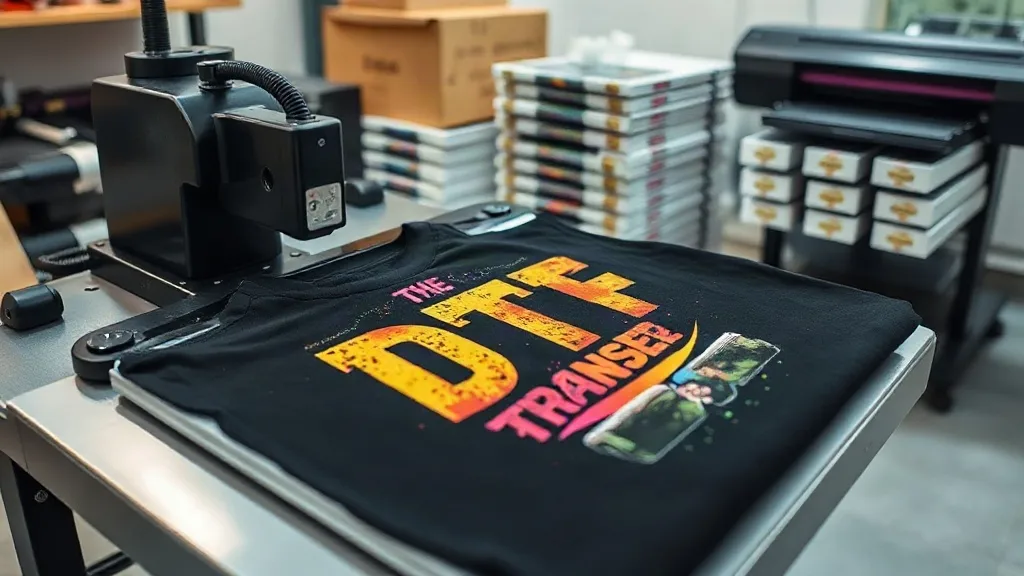
If you've been exploring custom apparel printing, you've likely encountered dtf transfers. This innovative technology is transforming how creators and businesses approach fabric printing, offering unmatched versatility and durability. In this guide, we'll dive deep into DTF transfers, explaining the process, benefits, and practical tips to help you achieve professional results.
What Are DTF Transfers?
DTF stands for Direct-to-Film, a printing method where your design is printed onto a special film, coated with adhesive powder, and then heat-pressed onto fabric. Unlike DTG (Direct-to-Garment) printing, which requires pre-treatment and works best on cotton, DTF transfers adhere to a wide range of materials, including polyester, blends, and even nylon. The result is a vibrant, stretchable print that withstands repeated washing.
The dtf process involves several key steps: designing your artwork, printing it onto PET film using specialized inks, applying hot-melt adhesive powder, and curing the powder. Once the transfer is ready, you can store it for later use or apply it immediately with a heat press. This flexibility makes DTF ideal for small businesses, hobbyists, and anyone looking to produce custom items on demand.
Why Choose DTF Transfers?
There are several compelling reasons to opt for DTF transfers over other printing methods. Here are the main advantages:
- Versatility: DTF works on almost any fabric, including cotton, polyester, silk, and blends. No need for pre-treatment, and it adheres well to dark and light colors.
- Durability: The prints are highly resistant to cracking, peeling, and fading, even after multiple washes.
- Vibrancy: DTF inks produce bright, saturated colors with fine details, making your designs pop.
- Cost-effective: For small batches, DTF is more economical than screen printing, as there's no setup cost for screens.
- Speed: With a heat press, you can apply transfers in seconds, perfect for last-minute orders.
Whether you're printing t-shirts, hoodies, tote bags, or even shoes, DTF transfers deliver professional-quality results without the hassle of traditional methods.
How to Apply DTF Transfers
Applying DTF transfers is straightforward, but following the correct steps ensures a long-lasting, professional finish. Here's a step-by-step guide:
- Preheat your heat press: Set the temperature to 150-160°C (300-320°F) and preheat the fabric for 5-10 seconds to remove moisture.
- Position the transfer: Place the DTF transfer on the fabric with the printed side facing up. Ensure it's aligned correctly.
- Press: Apply medium pressure for 10-15 seconds. Use a Teflon sheet or parchment paper to protect the design.
- Peel: Wait a few seconds for the transfer to cool slightly, then peel the film off in a smooth, continuous motion. For a matte finish, peel while hot; for a glossy finish, peel after cooling.
- Post-press: Cover the design with parchment paper and press again for 5 seconds to enhance adhesion.
Always test on a scrap fabric first to dial in your press settings. Different fabrics may require slight adjustments.
DTF vs. Other Printing Methods
Understanding how DTF compares to other techniques helps you choose the right method for your project. Here's a quick comparison:
- DTF vs. DTG: DTG requires pre-treatment and is limited to cotton fabrics. DTF works on more materials and often produces more vibrant colors on dark garments.
- DTF vs. Screen Printing: Screen printing is cost-effective for large orders but has setup costs and is less versatile with colors. DTF is better for small batches and complex designs.
- DTF vs. Vinyl: Vinyl is limited to simple shapes and solid colors, while DTF can reproduce full-color images with gradients and fine details.
For many small businesses and creators, DTF strikes the perfect balance between quality, cost, and flexibility.
Finding DTF Transfers Near You
If you're eager to get started with DTF but don't want to invest in equipment yet, you can order custom transfers from professional services. Searching for dtf transfers near me will help you locate local providers who can print and ship transfers directly to your door. This is ideal for testing the waters or for those who prefer to focus on design and application rather than the printing process.
When choosing a supplier, consider factors like print quality, turnaround time, and customer reviews. Many providers offer sample packs so you can evaluate their work before committing to a larger order.
Common Mistakes to Avoid with DTF Transfers
Even though DTF is user-friendly, some pitfalls can affect your results. Here are a few to watch out for:
- Insufficient pressure: Too little pressure prevents the adhesive from bonding properly, leading to peeling.
- Wrong temperature: Too hot can scorch the fabric or melt the film; too cold results in poor adhesion.
- Peeling too early or too late: Follow the recommended peeling method for your desired finish.
- Ignoring fabric type: Some fabrics, like those with heavy coatings, may require lower temperatures or additional care.
Always follow the instructions provided by your transfer supplier and test on scrap material first.
SSS
Can I use DTF transfers on dark-colored shirts?
Absolutely. DTF transfers include a white ink layer that makes colors pop on dark fabrics. The opacity of the white base ensures vibrant results even on black or navy garments.
How long do DTF transfers last?
With proper application and care, DTF prints can last as long as the garment itself. They resist fading, cracking, and peeling through dozens of washes.
Do I need a special printer for DTF?
Yes, DTF requires a printer that uses DTF inks and a film. However, if you don't want to invest in equipment, you can order transfers from a service.
What fabrics work best with DTF?
DTF works on almost any fabric, including cotton, polyester, blends, and even leather. It's particularly good for polyester and blends where other methods may struggle.
Is DTF transfers washable?
Yes, DTF transfers are highly washable. Wait at least 24 hours after application before washing, and turn the garment inside out. Avoid bleach and high heat in the dryer.