
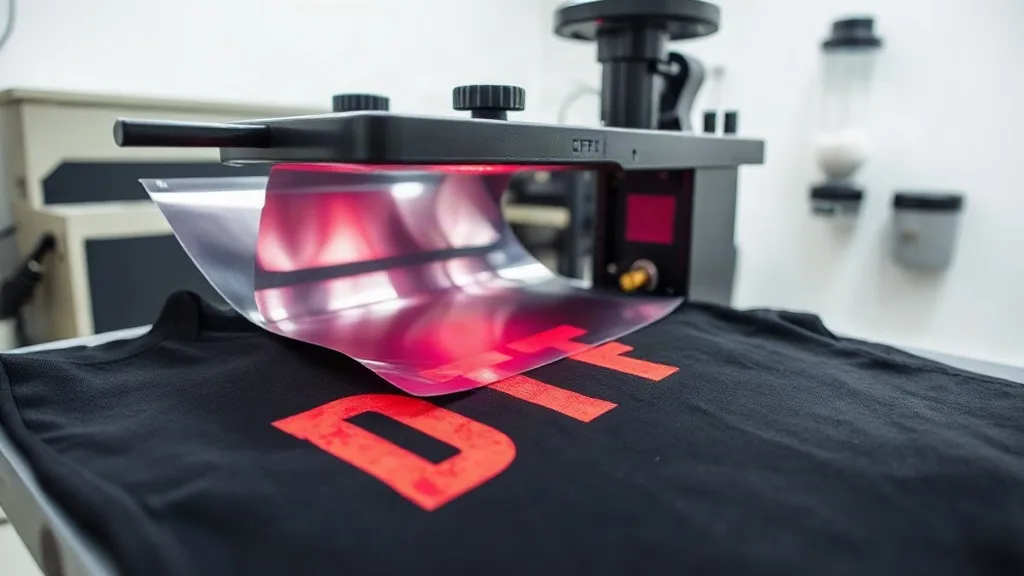
If you've been exploring custom apparel printing, you've likely come across dtf transfers. This innovative technology is transforming the way designers and hobbyists create vibrant, durable prints on fabric. Unlike traditional methods, DTF (Direct to Film) offers a versatile, cost-effective solution that works on almost any material. In this guide, we'll dive deep into what DTF transfers are, how they work, and how you can use them to bring your creative ideas to life.
What Are DTF Transfers?
DTF transfers are a type of heat transfer that allows you to print full-color designs onto a special film, which is then applied to fabric using a heat press. The process involves printing your design onto a PET film with a specialized dtf printer, applying a powder adhesive, and then transferring it to the garment. This method is gaining popularity because it eliminates the need for pre-treatment, works on a wide range of fabrics (including cotton, polyester, and blends), and produces soft, stretchable prints that withstand repeated washing.
How DTF Transfers Work: Step by Step
Understanding the DTF process can help you appreciate its benefits and troubleshoot any issues. Here's a breakdown of the key steps:
1. Design Preparation
Start with a high-resolution image (300 DPI is recommended). Mirror the design horizontally because the film will be flipped during transfer. DTF printers use CMYK plus white ink, so ensure your design file is set up correctly for printing.
2. Printing
The DTF printer prints the design onto a special film. First, a white ink layer is applied as a base, followed by the color layers. This white base is crucial for opacity, especially on dark fabrics.
3. Powder Application
While the ink is still wet, a hot-melt adhesive powder is sprinkled evenly over the printed film. Excess powder is shaken off, and the film is then heated to melt the powder, creating a adhesive layer that will bond with the fabric.
4. Curing
The film is cured (heated) to set the powder. This step ensures the transfer will have good wash durability. Curing can be done with a heat press or a dedicated curing oven.
5. Transfer
Finally, the transfer is placed on the garment and pressed with a heat press at a specific temperature and pressure. The film is peeled off (hot or cold peel, depending on the film type), leaving the design bonded to the fabric.
Why Choose DTF Transfers?
DTF transfers offer several advantages over other printing methods like screen printing or vinyl. Here are some compelling reasons to consider DTF for your next project:
- Versatility: Works on almost any fabric, including cotton, polyester, blends, and even treated nylon. No need for different inks or special garments.
- Durability: Prints are stretchable and resist cracking, peeling, and fading. With proper care, they can last as long as the garment itself.
- Cost-effective for small batches: Unlike screen printing, which requires setup costs per color, DTF is economical for short runs and one-off designs.
- High detail and color vibrancy: DTF can reproduce intricate details and gradients with stunning accuracy, making it ideal for photographic designs and complex artwork.
- No pre-treatment: Save time and avoid chemicals; DTF doesn't require pre-treating the fabric (unlike DTG).
DTF vs. Other Printing Methods
How does DTF stack up against screen printing, DTG, and vinyl? Let's compare:
DTF vs. Screen Printing
Screen printing is cost-effective for large orders of simple designs, but it requires separate screens for each color, making it expensive for multi-color or small batches. DTF excels in short runs and complex designs, with no per-color setup fees. However, for very large orders of simple designs, screen printing might still be more economical.
DTF vs. DTG (Direct to Garment)
DTG prints directly onto the fabric, which is great for 100% cotton but less effective on polyester blends. DTG also requires pre-treatment, adding time and cost. DTF works on a wider range of fabrics and often produces more vibrant colors on dark shirts. DTG might have an edge in breathability for very large prints, but DTF has improved significantly in this area.
DTF vs. Vinyl
Vinyl (HTV) is popular for simple one-color designs and names/numbers. It's durable but limited in color and detail. DTF allows full-color, complex designs with gradients and fine details, making it more versatile for artistic prints. Vinyl can be more cost-effective for single-color text, but DTF wins for anything beyond that.
Tips for Successful DTF Application
To get the best results with DTF transfers, follow these practical tips:
- Use a quality heat press: A consistent temperature and pressure are key. A clamshell or swing-away press with accurate controls is recommended.
- Pre-press the garment: This removes moisture and wrinkles, ensuring a smooth surface for the transfer.
- Follow the film's instructions: Different films have specific temperature, pressure, and peel (hot/cold) requirements. Always check the manufacturer's guidelines.
- Test on scrap fabric: Before pressing onto a final garment, do a test to dial in your settings.
- Wash inside out: To prolong the life of the print, wash garments inside out in cold water and tumble dry low.
Finding DTF Transfers Near You
If you're looking to try DTF transfers, you might search for dtf transfers near me to find local suppliers or print shops. While local options can be convenient for quick turnaround, online retailers often offer a wider variety of films, powders, and pre-printed transfers at competitive prices. Many online stores provide fast shipping and resources to help you get started. When choosing a supplier, consider the quality of their films and inks, customer reviews, and whether they offer support for beginners.
Common Challenges and How to Overcome Them
Even with a straightforward process, you might encounter some issues. Here are common problems and solutions:
- Peeling after wash: This usually indicates insufficient pressure, incorrect temperature, or incomplete curing. Double-check your press settings and ensure the powder is fully melted.
- Faded colors: Could be due to low ink coverage or improper curing. Use high-quality inks and follow curing guidelines.
- Sticky residue: If the film leaves a sticky residue, it might be due to over-pressing or using too much powder. Adjust pressure and powder application.
- Film not releasing: If the film doesn't peel cleanly, it might be too hot or too cold. Try a different peel method (hot vs. cold) as per film instructions.
With practice, you'll master the nuances and achieve consistent, professional results.
Frequently Asked Questions About DTF Transfers
What fabrics can I use with DTF transfers?
DTF transfers work on a wide range of fabrics, including cotton, polyester, cotton-poly blends, nylon, and even leather. They are not recommended for fabrics with a heavy water-repellent coating or very stretchy materials like spandex unless blended with cotton.
How durable are DTF prints?
When applied correctly, DTF prints are highly durable and can withstand multiple washes without cracking or fading. They are stretchable and flexible, making them suitable for activewear. Proper washing (inside out, cold water) extends their life.
Do I need a special printer for DTF?
Yes, DTF requires a printer that uses DTF ink (often a modified inkjet printer) and can handle the film. However, you can also buy pre-printed DTF transfers from suppliers and apply them with just a heat press, which is a great option for beginners.
Can I use DTF on dark shirts?
Absolutely! DTF excels on dark fabrics because the white ink base provides opacity, ensuring colors pop. This is one of its main advantages over DTG, which may require multiple passes on dark garments.
How do I store DTF transfers?
Store unused transfers in a cool, dry place, away from direct sunlight and moisture. Keep them flat to avoid creasing. Properly stored transfers can last for several months.
Conclusion
DTF transfers are a versatile and accessible printing method that opens up a world of possibilities for custom apparel. Whether you're a hobbyist or a small business owner, understanding the process and following best practices will help you achieve professional-looking results. With its ability to print on diverse fabrics, produce vibrant colors, and offer durability, DTF is certainly worth exploring. So why not give it a try and see how it can elevate your next project?